
Desserts
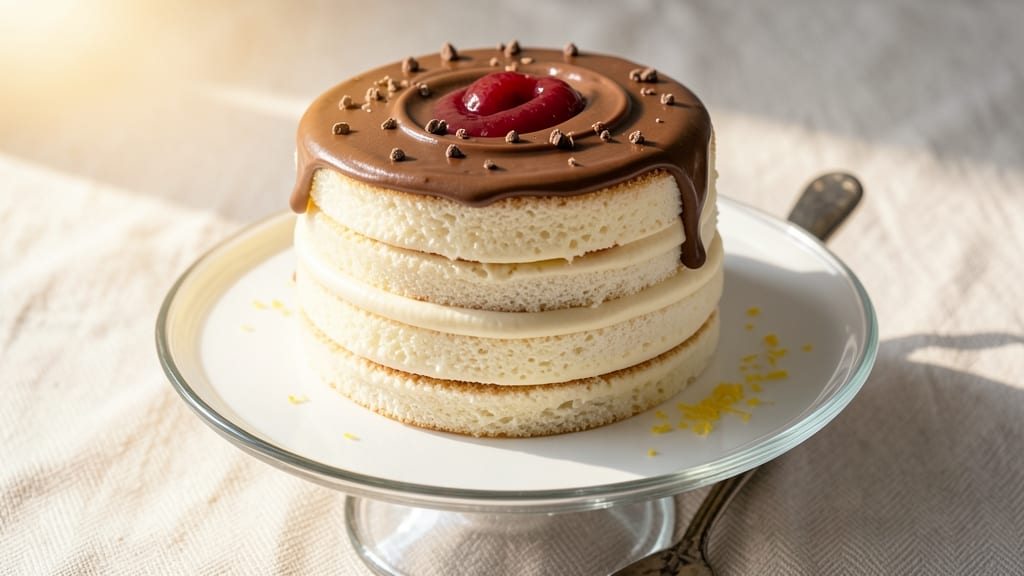
This angel cake icing recipe delivers the perfect balance of lightness and flavor, designed specifically to complement the delicate texture of angel cake without overwhelming its subtle sweetness.
The secret lies in a precise ratio of powdered sugar and butter, whipped to a smooth, airy consistency that spreads effortlessly while maintaining structure.
I developed this recipe after years of testing—too much sugar makes angel cake soggy, while too little leaves it tasting flat, and this version strikes the ideal middle ground.
The foundation of this icing is room-temperature butter and powdered sugar, combined with a touch of vanilla extract for depth. What sets it apart is the optional addition of egg whites, which create a stiffer, more stable frosting that holds its shape on layers without sliding.
For those who prefer a softer finish, simply omit the egg whites—both methods work beautifully for a standard 2-layer cake.
What you’ll achieve is a frosting that’s light as a cloud yet sturdy enough to pipe clean borders or fill layers without collapsing. The flavor remains delicate, enhancing the cake’s natural sweetness rather than competing with it.
This is the kind of icing that makes even the simplest angel cake feel like a showstopper.
For variations, swap vanilla for lemon zest or cocoa powder for a chocolate twist—just adjust the sugar slightly to balance intensity. The recipe scales perfectly for 6, 8, or 10-inch cakes, making it versatile for any occasion. Let’s get started on creating the ideal finish for your angel cake.
Ingredients for angel cake icing
Eight ingredients to create a delicate, airy frosting that complements angel cake perfectly.
| Ingredient | Amount | Notes |
|---|---|---|
| Unsalted Butter 🧈 | 1 cup | Room-temperature, cubed |
| Powdered Sugar 🍚 | 4 cups | Sifted for smooth texture |
| Pure Vanilla Extract 🌿 | 1 tbsp | High-quality, Madagascar bourbon preferred |
| Large Egg Whites 🥚 | 2 whole | Optional, for stiffer frosting |
| Lemon Zest 🍋 | 1 tsp | Optional, for citrus variation |
| Unsweetened Cocoa Powder 🍫 | 2 tbsp | Optional, for chocolate twist |
| Pinch of Salt 🧂 | ¼ tsp | Enhances butter flavor |
| Heavy Whipping Cream 🥛 | ¼ cup | Optional, for extra lightness |
The butter is the star here—room-temperature is non-negotiable for smooth whipping. Plugrá or Land O’Lakes brands work well, but avoid salted butter. Powdered sugar should be sifted to eliminate lumps, and Domino or C&H are reliable brands. For vanilla, Madagascar bourbon extract adds depth, but imitation works if you're on a budget. Egg whites, when included, must be cold and freshly separated—room temperature makes them unstable. Store butter in the fridge until ready to use, then let it sit for 30 minutes before whipping.
No egg whites? Heavy whipping cream at half the amount adds lightness without stiffness. Swap vanilla for lemon zest or almond extract for variations, but reduce sugar slightly to balance intensity. For chocolate icing, add unsweetened cocoa powder and reduce powdered sugar by 1/4 cup. If your icing is too thick, add 1 tsp warm water at a time. Too thin? Whip in 1 extra tbsp powdered sugar or chill the bowl for 10 minutes before re-whipping. Always taste as you go—this icing should be sweet but not overpowering.
This frosting keeps for 3 days in the fridge, covered tightly with plastic wrap pressed directly on the surface. For longer storage, freeze portions in an airtight container for up to 3 months15 minutes before adding the final layer. The icing can be piped or spread—just work quickly in warm kitchens to maintain stability.
Why You'll Love This Recipe
- Here’s what sold me: I can make a big batch of icing, store it in the fridge for up to a week, and it still comes out fluffy. No weird graininess, no weird texture—just smooth, creamy perfection every time. Budget-friendly? Absolutely.
- No Whipped Cream Needed: I swear by this recipe because it’s the only time I don’t have to buy pre-made frosting or fuss with stabilizers. Just melted butter, powdered sugar, and egg whites—no stand mixer required. Whisk it by hand, and you’ve got that cloud-like texture in minutes.
- Citrus-Kissed Sweetness: That lemon zest? It’s the secret weapon. The vanilla and butter give it a rich, buttery depth, but the zest cuts through with a bright, sunny finish. Honestly, it’s the kind of flavor that makes me want to eat the bowl after frosting the cake.
- Party-Proof in Minutes: Between us, this is my go-to for last-minute desserts. Need a cake for a birthday or a potluck? Slap this on store-bought or homemade layers, and no one will guess it wasn’t homemade. (Yes, even on a Tuesday night.)
Step-by-step instructions for angel cake icing recipe
Here's how to create a silky, airy frosting that perfectly complements delicate angel cake layers.
Whip the Butter to Soft Peaks
In a stand mixer fitted with the paddle attachment, beat the 1 cup unsalted butter on medium speed for 3-4 minutes until light and fluffy. This process incorporates air, which is essential for creating that signature light-as-air texture. You'll know it's ready when the butter nearly doubles in volume and forms soft peaks when the paddle is lifted.
The butter should be at room temperature when you start—press your finger into a cube, and it should leave a slight indentation. If it's too soft or too firm, place the bowl in the refrigerator for 10 minutes or warm it slightly in a bowl of warm water to adjust the consistency. This step sets the foundation for your frosting's lightness.
Gradually Add Powdered Sugar
With the mixer running on low speed, gradually add the 4 cups powdered sugar in a slow, steady stream. This prevents clumping and ensures even distribution. After all the sugar is incorporated, increase the speed to medium and beat for 2-3 minutes until the mixture is smooth and fully combined.
Sift the powdered sugar before measuring to eliminate any lumps, which can create graininess in your frosting. If you notice any sugar sticking to the sides of the bowl, use a silicone spatula to gently fold it back in. The mixture should now be thick but still spreadable—this is the ideal consistency for angel cake frosting.
Incorporate Egg Whites and Flavorings
Add the 2 whole large egg whites, 1 tablespoon pure vanilla extract, 1 teaspoon lemon zest, 2 tablespoons unsweetened cocoa powder, and ¼ teaspoon pinch of salt to the butter-sugar mixture. Mix on low speed for 1-2 minutes until everything is fully incorporated and the frosting is smooth and homogeneous.
The egg whites add structure and stability to the frosting, preventing it from becoming too soft or runny. The lemon zest and cocoa powder provide subtle depth of flavor without overpowering the delicate cake. If you're using the optional ¼ cup heavy whipping cream, add it now and mix until fully combined. This step is where the frosting comes together into a cohesive, flavorful mixture.
Achieve the Perfect Consistency
Use the paddle attachment to beat the frosting on medium-high speed for 3-4 minutes until it's light, fluffy, and reaches the perfect piping consistency. It should hold its shape when piped but still be smooth enough to spread easily. If the frosting is too thick, add 1 teaspoon of water at a time until it reaches the desired texture.
For a truly professional finish, chill the frosting in the refrigerator for 30 minutes before using. This allows the flavors to meld and the texture to stabilize. The frosting should be cool but still spreadable—this ensures it doesn't melt too quickly on your cake. When ready to use, give it a final beat with the mixer to incorporate any air that may have settled during chilling.
Finish with Optional Cream for Extra Lightness
If you're using the optional ¼ cup heavy whipping cream, whip it separately to stiff peaks and gently fold it into the frosting using a silicone spatula. This adds an extra layer of lightness and airiness, making the frosting even more delicate. Fold just until combined to avoid deflating the whipped cream.
The final frosting should be smooth, silky, and perfectly balanced in sweetness and flavor. It should be thick enough to hold its shape on the cake but still spreadable for a flawless finish. Use it immediately to frost your angel cake layers, or store it in an airtight container in the refrigerator for up to 3 days. For best results, bring it to room temperature before using again.
Pro Tips For Making Angel Cake Icing
- SOFTEN THE BUTTER: Take your unsalted butter out of the fridge at least 2 hours before starting—room temperature is key for smooth icing. I learned this the hard way when I rushed and ended up with clumpy butter that never fully blended, no matter how much I beat it. (Yes, even if you're impatient like me.)
- WHISK THE EGGS FIRST: Beat your egg whites to stiff peaks before adding anything else—this ensures they hold air and create that signature light, fluffy texture. I used to mix them in halfway through and always wondered why my icing turned dense. Start with the whites alone, then fold in the rest gently.
- SIFT THE POWDERED SUGAR: Sift the powdered sugar twice into your butter mixture—this prevents graininess and makes the icing silky. I was skeptical until I tried it; now I swear by it. (Your future self will thank you when the texture is buttery, not gritty.)
- ZEST FRESH, USE SPARINGLY: Grate lemon zest just before mixing and measure it—too much can overpower the vanilla. A teaspoon is plenty; I’ve burned through a whole lemon’s worth before, and it turned the icing bitter. Fresh is non-negotiable here—dried zest won’t cut it.
Dietary considerations for this angel cake icing
Gluten-Free Adaptation
For a gluten-free version, simply replace the powdered sugar with gluten-free confectioners' sugar (like Bob's Red Mill or Anthony's). These brands are finely milled and designed to dissolve smoothly, just like regular powdered sugar. The rest of the recipe remains unchanged—no need to adjust butter or flavorings. 🌱
Dairy-Free Options
To make this icing dairy-free, swap the unsalted butter for vegan butter (I recommend Miyoko's or Earth Balance) and replace the heavy whipping cream with coconut cream (chilled overnight). Reduce the coconut cream by 2 tablespoons since it's thicker.
The texture will be slightly denser but still delicious. For a lighter finish, whip the vegan butter longer to incorporate more air.
Egg-Free Version
If you're avoiding raw eggs, omit the egg whites entirely and increase the heavy whipping cream to ¼ cup + 2 tablespoons for stability. For extra structure, add 1 tablespoon cornstarch to the powdered sugar before mixing.
This creates a similar stiffening effect without eggs. The frosting will still hold its shape beautifully on your angel cake layers.
Lower Sugar Adaptation
For a less sweet icing, reduce the powdered sugar to 3½ cups and add ¼ cup honey or maple syrup to the flavorings. This keeps the moisture balance while cutting back on refined sugar.
If using honey, let it cool slightly before mixing to prevent curdling. The result is a subtly sweeter, more natural-tasting frosting that pairs perfectly with angel cake's delicate flavor.
Nut-Free Considerations
This recipe is already nut-free, but if you're using vanilla extract, opt for a brand labeled nut-free (like McCormick Pure Vanilla). For added flavor without nuts, try orange zest or raspberry puree instead of vanilla.
These alternatives keep the recipe safe while adding vibrant new tastes. Always check labels on all ingredients to avoid cross-contamination risks.
Nutrition facts
Frequently asked questions
Why does this icing recipe use egg whites?
The egg whites create a stiffer, more stable frosting that holds its shape perfectly on angel cake layers without sliding or melting too quickly. They also add lightness while preventing the icing from becoming too soft. If you prefer a softer finish, simply omit them—both methods work beautifully!
Can I make this frosting without a stand mixer?
Yes! Use a hand mixer or even a whisk with elbow grease. Beat the butter until light and fluffy (about 5-7 minutes), then gradually add the powdered sugar while mixing. For extra airiness, whip the egg whites separately to stiff peaks and fold them in at the end. Just be patient—it takes more time but achieves the same result!
How do I fix lumpy frosting?
Lumps usually happen from undissolved powdered sugar. Press the mixture through a fine-mesh sieve or use a silicone spatula to gently fold out any lumps. For stubborn clumps, add 1 teaspoon of warm water and mix until smooth. Always sift your powdered sugar before measuring to prevent this issue!
Can I color this frosting for special occasions?
Use gel food coloring (liquid can make the frosting too thin). Start with ½ teaspoon and mix well, then add more gradually until you reach your desired shade. For pastel colors, use even less—just ¼ teaspoon is often enough. Avoid overmixing once colored to maintain the light, airy texture.
How long can I store leftover frosting?
Store in an airtight container in the fridge for up to 3 days. For longer storage, freeze portions in a sealed container for up to 3 months. Thaw overnight in the fridge and re-whip briefly before using. Always press plastic wrap directly on the surface to prevent drying out.