
Desserts
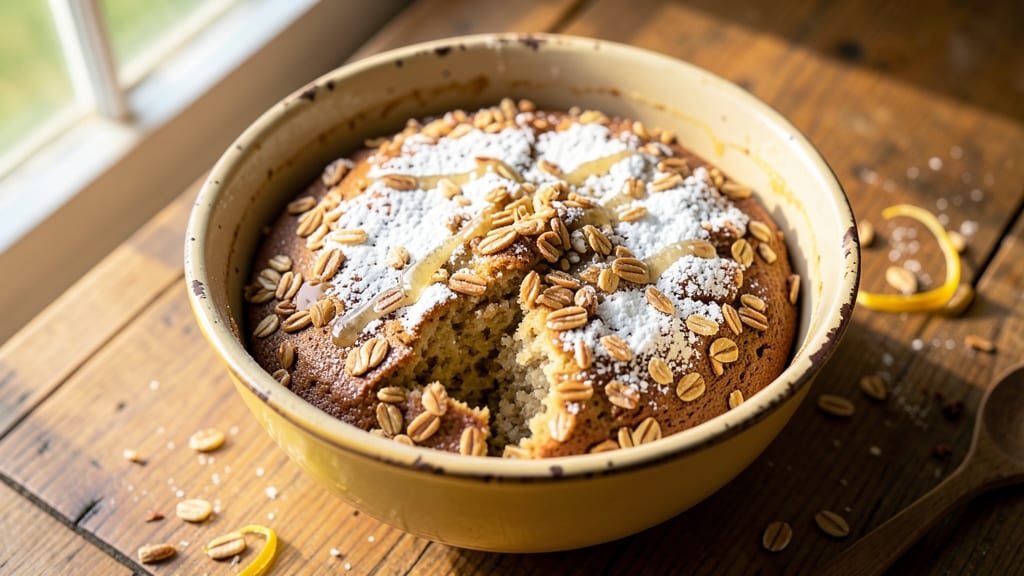
This Amish oatmeal cake recipe delivers the kind of comforting, spiced sweetness that feels like a hug from your favorite aunt. 💛 The secret lies in its simple, wholesome ingredients—oats, warm spices, and just enough butter to create that signature moist crumb.
I've perfected this version to balance traditional Amish baking techniques with modern convenience, ensuring every slice stays tender and flavorful.
The beauty of this cake is in its simplicity—no fancy mix-ins or complicated steps, just good ingredients that work together. The oats add subtle texture while absorbing moisture, creating a cake that's both hearty and delicate.
Spices like cinnamon and nutmeg infuse warmth, while a touch of vanilla rounds out the flavors. It bakes up with a golden crust and a moist interior that stays fresh for days.
What makes this recipe truly special is how it captures the essence of Amish baking: no shortcuts, just honest, satisfying flavors. The cake's buttery richness pairs perfectly with a dusting of powdered sugar or a drizzle of simple glaze.
It's the kind of dessert that feels like home—comforting, familiar, and impossible to resist.
Perfect for family gatherings, church potlucks, or a quiet afternoon treat, this cake proves that the best desserts often come from the simplest traditions. Let's get baking!
Ingredients for amish oatmeal cake
Twelve wholesome ingredients crafting layers of spiced, buttery oatmeal comfort—no shortcuts, just tradition.
| Ingredient | Amount | Notes |
|---|---|---|
| All-Purpose Flour 🌾 | 2 ½ cups | Sifted for even texture |
| Old-Fashioned Rolled Oats 🥣 | 1 ½ cups | Not instant, for texture |
| Granulated Sugar 🍚 | 1 ½ cups | Light brown preferred |
| Unsalted Butter 🧈 | 1 cup | Room temperature, cubed |
| Large Eggs 🥚 | 2 whole | Room temperature, beaten |
| Pure Vanilla Extract 🌿 | 1 tbsp | High-quality, no imitation |
| Ground Cinnamon 🌶️ | 2 tsp | Freshly ground preferred |
| Ground Nutmeg 🌶️ | ½ tsp | Freshly grated preferred |
| Ground Allspice 🌶️ | ½ tsp | For warmth, not heat |
| Baking Powder 🧂 | 2 tsp | Aluminum-free preferred |
| Salt 🧂 | ½ tsp | Diamond Crystal preferred |
| Milk 🥛 | 1 cup | Whole milk for richness |
| Powdered Sugar 🍚 | ½ cup | For dusting, sifted |
The oats are the heart of this cake, so Quaker Old-Fashioned is my go-to—they hold their texture beautifully. For the spices, Penzeys offers the freshest ground cinnamon and nutmeg, but even the grocery store versions work if they're labeled 'ground' (not 'whole'). The butter should be room temperature—cold cubes won't mix properly, and melted butter can make the cake dense. Plugrá unsalted butter is my secret weapon, but any good-quality brand will do. Sift the dry ingredients together before mixing to avoid lumps, and don't skip the allspice—it adds depth that regular cinnamon can't match.
No vanilla extract? Vanilla bean paste at half the amount works beautifully, or even a scraped vanilla bean in the batter. Running short on milk? Heavy cream or buttermilk both add richness, but adjust the baking powder slightly if using buttermilk. The powdered sugar dusting is optional but traditional—Domino brand sifts perfectly without clumping. For a modern twist, swap half the oats for chopped walnuts or pecans (toasted first for extra flavor). If you're baking at high altitude, reduce the baking powder by 0.25 tsp to prevent a cake that's too light.
Store the cake in an airtight container at room temperature for up to 3 days, or refrigerate for 1 week if you prefer it extra moist. For longer storage, freeze slices wrapped in plastic for 3 months. The flavor actually improves over time—this cake tastes even better the second day. To reheat, wrap slices in a damp paper towel and microwave for 10-15 seconds. For serving, a simple glaze of powdered sugar and milk (1:1 ratio) elevates it to restaurant-quality without effort.
Why You'll Love This Recipe
- No Mixer Needed: I swear by this recipe when I’m too tired for stand mixers. The oats and butter get cut into flour with a wooden spoon—no fancy tools, just elbow grease and patience. (Yes, even on a Tuesday night.)
- Texture Magic: That first bite? Crumbly outside, moist inside, with chewy oat bits that disappear like magic. The sugar caramelizes just enough to make it taste like a hug from your grandma—except I’m the one baking it.
- Breakfast or Dessert: Serve it warm with butter and jam for a hearty breakfast or dust it with powdered sugar for a sneaky-sweet treat. Honestly, I’ve even packed slices in lunches—kids devour it, no questions asked.
- Pantry Staple Power: Uses ingredients you already own (check your flour bin and oatmeal cabinet). A single batch feeds six, and leftovers? They last days wrapped in foil. Budget-friendly doesn’t even begin to cover it.
Step-by-step instructions for Amish oatmeal cake
Here's the method for creating that signature Amish texture—chewy layers with moist, spiced warmth.
👨🍳 Step 1: Prepare the Oat Base for Maximum Texture
Preheat your oven to 350°F and grease two 9-inch round cake pans with nonstick spray. Line the bottoms with parchment paper for easy release. In a food processor, pulse the 1.5 cups old-fashioned rolled oats until they resemble coarse sand—this prevents large chunks from creating uneven texture in your cake.
Transfer the oatmeal to a large mixing bowl. Add the 2.5 cups all-purpose flour, 2 tsp baking powder, 2 tsp ground cinnamon, 0.5 tsp ground nutmeg, 0.5 tsp ground allspice, and 0.5 tsp salt. Whisk these dry ingredients together until completely combined and no flour streaks remain. This ensures even distribution of spices and leavening throughout the cake.
🍳 Step 2: Cream Butter and Sugar for Light Structure
In a separate large mixing bowl, combine the 1 cup unsalted butter (cubed and softened to room temperature) with the 1.5 cups granulated sugar. Using an electric mixer on medium speed, beat for 3-4 minutes until the mixture is light and fluffy, with ribbons forming when the beaters are lifted. This step incorporates air, which creates that signature tender crumb.
Add the 2 whole large eggs, one at a time, beating well after each addition. Scrape down the sides of the bowl as needed to ensure all ingredients are incorporated. Stir in the 1 tbsp pure vanilla extract until fully combined. The mixture should be smooth and pale yellow—this indicates proper emulsification for maximum moisture retention.
🥘 Step 3: Combine Wet and Dry Ingredients Gently
With the mixer running on low speed, gradually add the dry ingredient mixture to the wet ingredients. Mix just until combined—overmixing develops gluten and creates a tough cake. Alternate adding the 1 cup milk in three parts, beginning and ending with flour, to ensure proper hydration without making the batter too thin.
Fold in the processed oatmeal using a silicone spatula, being careful not to overmix. The batter should have a thick, slightly lumpy consistency—this texture is perfect for creating those signature chewy layers. Divide the batter evenly between the prepared cake pans, spreading it out smoothly with the spatula.
🔥 Step 4: Bake to Golden Perfection
Place the cake pans in the preheated oven and bake for 25-30 minutes, or until a toothpick inserted into the center comes out clean. The edges should be golden brown, but the tops may still appear slightly underdone—this is normal and ensures proper moisture retention.
I like to tent the pans with aluminum foil after 15 minutes of baking to prevent over-browning while maintaining even cooking. This technique helps create that characteristic Amish cake texture where the exterior is gently browned while the interior remains moist and tender.
⏰ Step 5: Cool and Dust for Presentation
Remove the cakes from the oven and let them cool in the pans for 10 minutes before transferring to a wire rack to cool completely. While they cool, sift the 0.5 cup powdered sugar through a fine-mesh sieve to create a smooth, cloud-like texture for dusting.
Once completely cooled, dust the tops of the cakes generously with the powdered sugar. This final step not only enhances presentation but also adds a subtle sweetness that complements the warm spice notes. Serve slices at room temperature for the best texture—each bite should reveal that perfect balance of moist crumb and chewy oat layers.
Pro Tips For Making Amish Oatmeal Cake
- Pulse Oats First: DESCRIPTION: Dump the rolled oats into the food processor and give them a quick 10-second pulse before mixing with the flour. This breaks them down just enough to distribute flavor evenly without turning the batter into oatmeal—trust me, your cake will be more tender if you skip the full grind.
- Cream Butter Slowly: DESCRIPTION: Don’t rush the butter-sugar mix—beat it on medium speed for 2 full minutes until it’s pale yellow and fluffy. I used to cut corners here, and the cake always ended up dense. The extra time lightens the texture in a way nothing else does.
- Skip Overmixing: DESCRIPTION: Fold in the dry ingredients just until combined—lumps are fine. Overmixing develops gluten, and this cake’s charm is its soft, crumbly texture. I’ve ruined batches by turning it into a tough loaf, and I’ll never do it again.
- Test Doneness Early: DESCRIPTION: Pull the cake when the edges are set but the center still jiggles slightly—a toothpick should come out with a few moist crumbs, not wet batter. Oatmeal cakes dry out fast if you wait for it to spring back completely, and that’s a sad, dry mess.
Troubleshooting great amish oatmeal cake
Dense Cake Texture
If your cake turns out too dense, the issue is likely overmixing or using melted butter. Always cream the butter and sugar until light and fluffy to incorporate air, and mix wet/dry ingredients just until combined.
I also recommend using room-temperature eggs—they blend more smoothly than cold ones. For extra moisture, add 1 tbsp sour cream or ½ cup Greek yogurt to the batter. 💫
Dry or Crumbly Cake
Dryness usually means the cake baked too long or the oven ran too hot. Check your oven temperature with an oven thermometer—many run 25-50°F hotter than set. If the cake pulls away from the sides but a toothpick comes out clean, it's done.
For extra moisture, brush warm slices with simple syrup (equal parts sugar and water, heated until dissolved).
Uneven Baking
Uneven baking often happens when pans aren't properly greased or the oven temperature varies. Always use parchment paper in pans for even release, and rotate the pans halfway through baking.
If your oven has hot spots, place the pans on the middle rack. For extra insurance, bake one pan at a time if your oven is small. 🌡️
Soggy Bottom Layer
A soggy bottom is usually caused by steam buildup during baking. To prevent this, place a baking sheet on the rack below your cake pans to catch drips. Also, ensure your oven is fully preheated before adding the cake.
If you notice the bottom browning too quickly, tent the pans with foil after 15 minutes of baking.
Cake Sticks Together
If your cake crumbles or sticks together when slicing, it likely didn't cool properly. Let the cake cool completely in the pan for 10 minutes before transferring to a wire rack.
For extra structure, chill the cake in the pan for 30 minutes in the refrigerator before slicing. This helps the layers set while maintaining moisture. ✨
Spices Too Overpowering
If the spices taste too strong, reduce the cinnamon to 1.5 tsp and nutmeg to 0.25 tsp next time. For a milder flavor, add ½ tsp vanilla bean paste to round out the warmth.
Always taste your spice mixture before adding it to the batter—this helps you adjust the balance before it's too late. 🌶️
Nutrition facts
Frequently asked questions
Can I make this Amish oatmeal cake without a food processor?
If you don't have a food processor, simply pulse the 1.5 cups old-fashioned rolled oats in a blender or crush them in a heavy-duty bag with a rolling pin. For an even coarser texture (which works perfectly), you can also toast the oats in a dry skillet over medium heat for 3-4 minutes, stirring constantly, then cool and pulse them in a blender. The texture will be slightly chunkier but still delicious.
Why does the recipe call for old-fashioned rolled oats instead of quick oats?
The texture matters! Old-fashioned rolled oats have a chewier, heartier bite that creates the signature Amish cake texture. Quick oats are steamed and rolled thinner, which would make the cake too soft and gummy. Think of it like the difference between steel-cut oats and instant—the rolled oats hold their shape better and add that satisfying bite that balances the moist crumb.
Can I substitute buttermilk for regular milk?
Yes, but you'll need to make an adjustment. Buttermilk adds tanginess and extra moisture, but it also contains acid that can react with the baking powder. For every 1 cup of buttermilk, use 1 cup milk plus 1 tsp baking powder to compensate. The cake will still turn out tender, but with a slightly more complex flavor. If you're using store-bought buttermilk, no extra baking powder is needed.
How do I store leftovers to keep them fresh?
This cake stays fresh for 3 days at room temperature in an airtight container, but for longer storage, refrigerate it for up to 1 week. To revive slices, wrap them in a damp paper towel and microwave for 10-15 seconds. For freezing, slice the cake first, wrap each piece tightly in plastic wrap, and place in a freezer bag. Thaw at room temperature for 1-2 hours before serving.
What's the best way to serve this cake?
Dust with powdered sugar right before serving for a classic Amish touch, or drizzle with a simple glaze made from ½ cup powdered sugar + 2 tbsp milk (mixed until smooth). It pairs beautifully with a warm cup of coffee or tea. For a heartier presentation, serve with a dollop of whipped cream or a scoop of vanilla ice cream. The warm spices make it especially cozy in fall or winter!