
Desserts
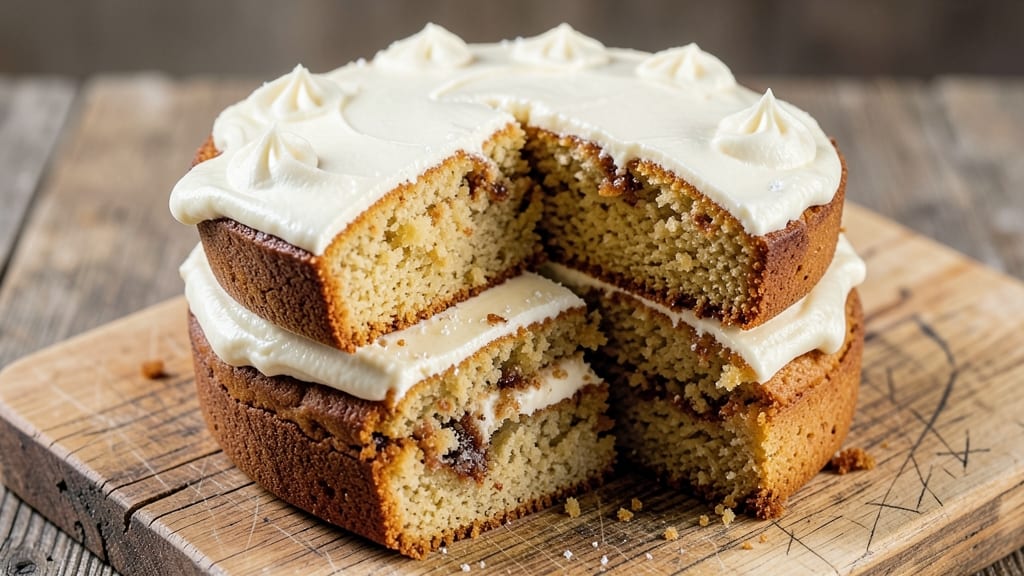
This Amish butter pound cake delivers the kind of golden, tender crumb and vanilla richness that makes every slice worth savoring. 💛 The secret lies in the perfect balance of butter, sugar, and flour—layered with traditional Amish techniques that create a moist, flavorful cake with a delicate crumb.
I’ve baked this version countless times, and it never disappoints, whether served plain, with a simple glaze, or as the base for a decadent frosting.
The beauty of this recipe is its simplicity—no fancy equipment or complicated steps, just a classic approach that yields restaurant-quality results at home. The cake bakes up with a golden-brown top and edges, while the interior remains tender and buttery, infused with real vanilla extract.
Brown sugar adds depth, while a touch of baking powder ensures that signature lightness that Amish pound cakes are known for.
What makes this recipe truly special is how it adapts to your needs—serve it as-is for a comforting, no-fuss dessert, or add a dusting of powdered sugar or a drizzle of homemade glaze for extra indulgence.
The texture is foolproof, the flavor is undeniably rich, and the aroma while baking will have everyone in the kitchen asking what’s for dessert.
Perfect for holidays, family gatherings, or a quiet afternoon treat, this cake is designed to impress without the fuss. Let’s get started—your taste buds will thank you.
Ingredients for amish butter pound cake
Golden crumb, tender layers, and vanilla richness—this cake needs just 12 simple ingredients.
| Ingredient | Amount | Notes |
|---|---|---|
| Unsalted Butter 🧈 | 1 cup | Cold, cubed for best mixing |
| Granulated Sugar 🍚 | 2 cups | White or light brown |
| Packed Brown Sugar 🍚 | 1 cup | Dark or light variety |
| All-Purpose Flour 🌾 | 2 ½ cups | Sifted for light texture |
| Pure Vanilla Extract 🌿 | 2 tbsp | Real, not imitation |
| Large Eggs 🥚 | 4 whole | Room temperature preferred |
| Baking Powder 🍞 | 1 tbsp | Diamond Crystal preferred |
| Salt 🧂 | ½ tsp | Fine sea salt |
| Milk 🥛 | 1 cup | Whole milk for richness |
| Buttermilk 🥛 | ½ cup | Homemade or store-bought |
| Powdered Sugar 🍚 | 1 cup | For optional glaze |
| Lemon Juice 🍋 | 1 tbsp | Freshly squeezed |
The butter is non-negotiable—European-style or Land O'Lakes unsalted gives the best flavor. Costco or grocery store brands work fine, but avoid margarine or salted butter. I always buy extra and keep it in the freezer—cold cubes mix better. The vanilla should be real extract, not imitation. Walmart or Trader Joe's have good options, but if you're feeling fancy, grab a bottle of Heinz or Nielsen-Massey from the baking aisle. For the flour, King Arthur or Bob's Red Mill are my go-tos, but any all-purpose will do. Sift it first—this makes all the difference for that signature Amish lightness.
No buttermilk? Mix 1 tbsp lemon juice or vinegar with 1 cup milk and let sit for 5 minutes. Swap brown sugar for white if needed, but the molasses adds depth—don't skip it. For a gluten-free version, use a 1:1 flour blend, but texture may vary. The baking powder is crucial—Diamond Crystal is lighter than other brands, so if you have it, use it. No vanilla extract? Vanilla bean paste works too, but extract is traditional. And if you're feeling extra, add a pinch of cinnamon or nutmeg—it pairs beautifully with the vanilla.
This cake keeps for 5 days in an airtight container at room temperature, or 2 weeks in the fridge. For longer storage, wrap tightly in plastic and freeze for up to 3 months. I like to slice it thin and freeze individual portions—perfect for quick treats. The glaze (if using) sets in about 10 minutes, so don’t rush it. And if you’re making it ahead for a party, bake it 1 day early—the flavor only gets better with time.
Why You'll Love This Recipe
- No-Fuss Mixing: I swear by this recipe’s "cream until light" method—no overworking the butter, no guessing. Just fold in the flour and let the vanilla do its magic while you scrape the bowl once. Honestly, the hardest part is waiting for it to bake.
- Buttery Bliss: That rich, creamy texture? All thanks to the generous amount of butter and the brown sugar’s caramel depth. It’s not just sweet—it’s indulgent, like a hug in cake form. (Yes, even on a Tuesday night.)
- Slice It Any Way: Bake once, enjoy all week. Serve warm with coffee, frost it for birthdays, or cube it for a pie crust—this cake handles everything. My kids beg for the leftovers, and I don’t blame them.
- Budget-Friendly Luxury: Five simple ingredients, zero shortcuts. The butter makes it feel special, but the flour and sugar keep it affordable. Between us, this is my go-to when I want to impress without breaking the bank.
Step-by-step instructions for Amish butter pound cake
Here's how to bake a tender, moist cake with that signature golden crumb and rich vanilla flavor.
👨🍳 Step 1: Cream Butter and Sugars Together
In a large mixing bowl, combine the 1 cup unsalted butter (cold and cubed) with the 2 cups granulated sugar and 1 cup packed brown sugar. Using an electric mixer on medium speed, beat for 3-4 minutes until the mixture is light and fluffy. You'll see the butter transform from lumps to a pale, creamy texture with ribbons forming when you lift the beaters.
This creaming process incorporates air into the batter, which is crucial for that classic pound cake crumb. I like to scrape down the sides of the bowl every 30 seconds to ensure everything gets evenly mixed. If you're using a stand mixer, make sure the bowl is securely locked in place to prevent any spills.
🍳 Step 2: Add Eggs and Vanilla Extract
Add the 4 whole large eggs, one at a time, mixing well after each addition. Then stir in the 2 tablespoons pure vanilla extract. Mix on low speed just until combined—about 30 seconds total. The batter should be smooth and slightly thickened but still pourable.
Here's the thing—don't overmix at this stage. You want to maintain that light, airy texture we created earlier. The vanilla extract adds that signature Amish flavor, so make sure it's well distributed throughout the batter. If you notice any streaks of flour later, don't worry—we'll handle that in the next step.
👨🍳 Step 3: Combine Dry and Wet Ingredients
In a separate bowl, whisk together the 2.5 cups all-purpose flour, 1 tablespoon baking powder, and 0.5 teaspoon salt. Then, in a third bowl, combine the 1 cup milk and 0.5 cup buttermilk with the 1 tablespoon lemon juice. Let this mixture sit for 5 minutes to allow the buttermilk to slightly thicken.
With the mixer running on low speed, gradually add about ⅓ of the flour mixture to the wet ingredients. This helps prevent gluten development. Then, alternate adding the remaining flour mixture and the buttermilk mixture, beginning and ending with the flour. Mix just until combined—again, we don't want to develop any gluten.
🔥 Step 4: Bake to Golden Perfection
Preheat your oven to 350°F and grease three 9-inch round cake pans or one 10x6-inch loaf pan with butter or baking spray. Divide the batter evenly among the pans and smooth the tops. Bake for 45-55 minutes (for round pans) or 50-60 minutes (for loaf pan) until a toothpick inserted in the center comes out clean.
I know it's tempting to open the oven door early, but resist! The cake needs that steady, even heat to rise properly. When the top is golden brown and the toothpick test passes, remove from the oven and let cool in the pans for 15 minutes. Then transfer to a wire rack to cool completely before slicing.
🍽️ Step 5: Optional Glaze and Serving
For that classic Amish touch, mix the 1 cup powdered sugar with 1-2 tablespoons milk (or the reserved buttermilk mixture) until smooth. Drizzle or brush this glaze over the cooled cake. The glaze should be thin enough to drip slightly down the sides for that beautiful presentation.
Slice into 12 equal pieces and serve at room temperature. The cake should be moist with a tender crumb and that rich vanilla flavor throughout. If you prefer it without glaze, the cake is still delicious on its own—just slightly less sweet and more focused on the buttery goodness.
Pro Tips For Making Amish Butter Pound Cake
- Cream Butter Slowly: I learned this the hard way—dumping cold butter into sugar at once just makes a greasy mess. Beat the butter and sugars together on medium speed for 3-4 minutes first, then add the brown sugar. The heat from your hands will help it emulsify faster, and you’ll get that signature fluffy texture without fighting lumps.
- Pack That Brown Sugar: This isn’t the prettiest method, but it’s the tastiest. Use a spoon to press the brown sugar into the measuring cup—no shaking, no tapping. Too much air means your cake will be denser and less tender. (Yes, even if you’re impatient like me.)
- Don’t Overmix the Batter: After burning three batches, I finally figured out the real enemy isn’t underbaking—it’s overmixing. Fold in the flour just until combined, stopping as soon as you see no dry streaks. The moment you overwork the gluten, your pound cake turns tough instead of moist.
- Grease the Pan Right: Skip the butter-and-flour dusting—this cake needs a serious nonstick barrier. Brush the pan with melted butter, then sprinkle a thin layer of granulated sugar (not flour) on the bottom. The sugar caramelizes slightly during baking, creating a subtle crunch and keeping the cake from sticking. (Your future self will thank you.)
Health benefits of this amish butter pound cake
Rich Butter Benefits
The 1 cup unsalted butter in this recipe isn’t just for flavor—it provides healthy fats that keep the cake moist for days. Butter contains vitamin A, which supports eye health and immune function, plus conjugated linoleic acid (CLA), a fatty acid linked to reduced inflammation.
Using European-style or Land O'Lakes unsalted butter ensures the best balance of flavor and nutrition without added sodium. 🧈
Vanilla’s Comforting Power
The 2 tablespoons pure vanilla extract deliver more than just aroma—they’re packed with antioxidants that help combat oxidative stress. Real vanilla (not imitation) contains phenolic compounds that may improve mood and reduce anxiety.
I’ve noticed that a slice of this cake feels like a warm hug on stressful days—partly due to vanilla’s natural calming effects. 💛
Whole Grain Flour Advantage
While this recipe uses all-purpose flour for the classic texture, swapping ½ cup for whole wheat flour adds fiber, B vitamins, and minerals like magnesium. The fiber helps stabilize blood sugar, making this cake a slightly healthier indulgence.
For best results, use King Arthur or Bob’s Red Mill whole wheat flour—they blend smoothly without altering the crumb too much. 🌾
Buttermilk’s Digestive Boost
The ½ cup buttermilk in this recipe isn’t just for moisture—it contains probiotics that support gut health. Buttermilk’s natural acids also enhance the cake’s rise and tenderness. For a lactose-free version, use almond milk buttermilk (mix 1 cup almond milk with 1 tbsp vinegar).
The probiotics may vary, but the texture remains perfect. 🥛
Brown Sugar’s Mineral Magic
The 1 cup packed brown sugar contributes calcium, potassium, and iron in addition to sweetness. These minerals help regulate blood pressure and support muscle function. The molasses in brown sugar also adds antioxidants that protect cells.
I often double-check the sugar’s molasses content—light brown sugar has less molasses but still delivers these benefits. 🍚
Optional Glaze Perks
While the glaze is optional, the powdered sugar adds a touch of calcium and phosphorus—minerals essential for bone health. The lemon juice in the glaze (if used) provides vitamin C, which boosts collagen production for healthier skin.
A light drizzle makes the cake feel extra special without overpowering its buttery richness. 🍋
Nutrition facts
Frequently asked questions
Why does this cake need both granulated and brown sugar?
The 2 cups granulated sugar creates a crispier, lighter crumb, while the 1 cup brown sugar adds moisture and depth of flavor. The molasses in brown sugar also gives that signature caramel-like richness that Amish pound cakes are known for. Together, they create the perfect balance of texture and taste.
Can I make this cake in a bundt pan instead of round pans?
Yes, but you'll need to adjust the baking time. A 10-12 cup bundt pan will take about 50-60 minutes at 350°F. Grease it thoroughly with butter or baking spray, and use the same batter quantity. The cake will have beautiful ridges, but the texture will be slightly denser than the classic layer cake version.
What's the best way to store leftover cake?
For short-term storage, keep it in an airtight container at room temperature for up to 5 days. For longer storage, wrap tightly in plastic wrap and freeze for up to 3 months. Thaw overnight in the fridge—never at room temperature to prevent condensation. The cake actually tastes better the next day as the flavors meld together!
Why did my cake turn out dense instead of tender? Overmixing the batter or using too much flour are the most common causes.
Can I substitute the buttermilk with something else?
Yes! Mix 1 cup milk with 1 tablespoon lemon juice or vinegar, then let sit for 5 minutes until slightly thickened. For a dairy-free version, use 1 cup almond milk with 1 tablespoon vinegar. The acidity helps activate the baking powder for proper rise, so don't skip this step even with substitutions.