
Desserts
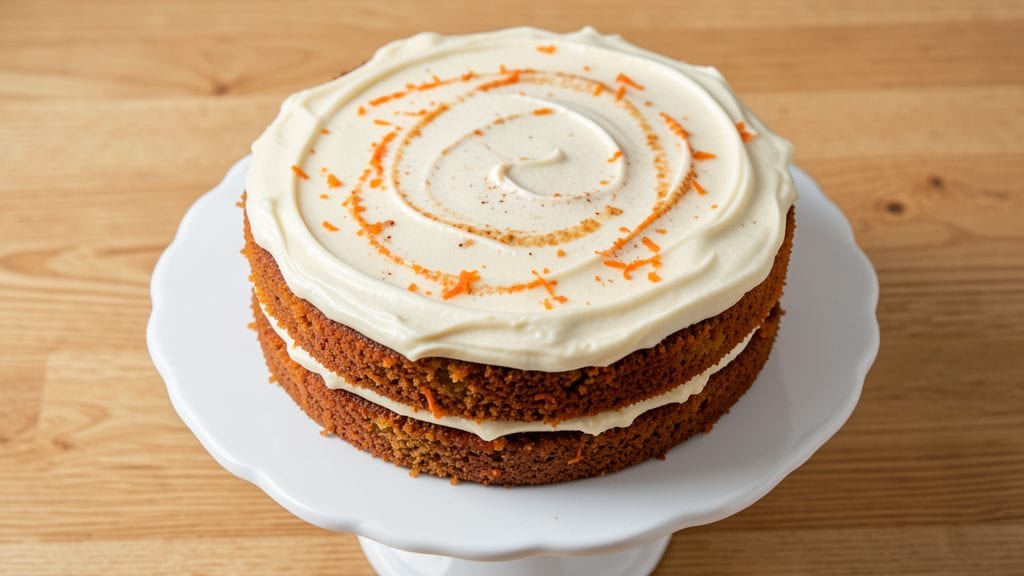
America’s Test Kitchen has perfected carrot cake with a method that guarantees moist layers every time—no dry crumbs in sight. The secret lies in precise measurements and a technique that balances grated carrots with eggs and oil for maximum moisture.
I’ve followed their approach religiously, and the results are consistently restaurant-quality.
This recipe builds on the foundation of traditional carrot cake but elevates it with a few key adjustments: a longer batter rest period to develop flavor, and a cream cheese frosting that’s lighter than expected.
The ATK method emphasizes preheating the oven thoroughly and mixing the batter just until combined to avoid overworking the flour. These steps might seem minor, but they make all the difference in texture.
What you’ll achieve is a cake with tender, spiced layers that hold together beautifully, paired with a frosting so smooth it melts in your mouth. The combination of warm cinnamon, grated carrots, and that signature cream cheese frosting creates a dessert that’s both nostalgic and sophisticated.
Trust me—this is the carrot cake you’ll make again and again.
For added depth, consider topping the cake with a sprinkle of nuts or a dusting of cinnamon sugar, but the magic happens in the execution of the ATK method. Let’s get started with the ingredients that bring it all together.
Ingredients for america's test kitchen carrot cake
Twelve servings of restaurant-quality carrot cake start with these precise, moisture-loving ingredients.
| Ingredient | Amount | Notes |
|---|---|---|
| All-Purpose Flour 🌾 | 3 ½ cups | Sifted for light texture |
| Granulated Sugar 🍬 | 2 ½ cups | Superfine for even moisture |
| Brown Sugar Packed 🍬 | 1 ½ cups | Light and dark blend |
| Large Eggs 🥚 | 6 whole | Room temperature preferred |
| Vegetable Oil 🫒 | 1 ½ cups | Pure, no additives |
| Grated Carrots 🥕 | 3 cups | Fresh, finely grated |
| Pure Vanilla Extract 🌿 | 2 tbsp | High-quality for flavor |
| Baking Soda 🧂 | 2 tsp | Freshly ground preferred |
| Ground Cinnamon 🌶️ | 2 tbsp | Ceylon or cassia |
| Ground Ginger 🌿 | 1 tbsp | Freshly ground for potency |
| Ground Nutmeg 🌿 | 1 tsp | Freshly grated preferred |
| Salt 🧂 | 1 ½ tsp | Fine grain preferred |
| Cream Cheese 🧀 | 16 oz | Full-fat, room temp |
| Unsalted Butter 🧈 | 1 cup | Cubed, softened |
| Powdered Sugar 🍬 | 4 cups | Sifted for smoothness |
| Heavy Cream 🥛 | ½ cup | Full-fat for richness |
| Lemon Juice 🍋 | 1 tbsp | Freshly squeezed |
The secret to America’s Test Kitchen’s signature moist carrot cake lies in the carrots—grated finely and packed with 3 cups for maximum moisture. Fresh carrots are non-negotiable; pre-shredded loses texture. For the flour, King Arthur or Bob’s Red Mill brands ensure consistent results. The brown sugar blend (light and dark) adds depth, while vanilla extract from Penzeys elevates flavor. Professional kitchens use room-temperature eggs for even incorporation—let them sit for 30 minutes if cold.
No cream cheese? Mascarpone or sour cream at half the quantity works in a pinch, though texture differs. Substituting applesauce for oil reduces fat but may alter moisture. Ceylon cinnamon has a milder taste than cassia—adjust to preference. The vanilla extract can be imitation if needed, but real vanilla adds complexity. For the frosting, high-fat cream cheese (like Philadelphia) melts beautifully, while powdered sugar from Sugar Twin sifts smoothly without lumps.
Store grated carrots in an airtight container with a damp paper towel for up to 3 days to retain moisture. The batter rests 30 minutes before baking—this isn’t optional; it develops flavor. Bake in two 9x13-inch pans for even layers. The frosting keeps 4 days in the fridge or 3 months frozen. For best results, let the cake cool completely before frosting to prevent melting. Portion into individual servings for easy reheating—microwave for 15 seconds to restore softness.
Why You'll Love This Recipe
- No-Fuss Assembly: Honestly, the frosting trick—spreading a thin layer first to "crust" the cake—makes assembly feel effortless. No soggy layers, no messy overflow, just clean, professional-looking results without the fuss of piping or decorating.
- Spiced Sweetness Perfection: That blend of cinnamon, ginger, and nutmeg with the bright kick of lemon juice in the frosting? It’s not just sweet—it’s complex. The carrot’s natural sweetness gets elevated by the spices, while the lemon keeps it from tasting like dessert gone overboard.
- Crowd-Pleaser for Any Occasion: Bring this to a potluck, and you’ll be the hero. It’s rich enough for holidays but simple enough for a weeknight dinner party. My daughter even sneaks slices when I’m not looking—proof it works for all ages.
- Budget-Friendly Luxury: With pantry staples like all-purpose flour and brown sugar, this isn’t a splurge, but the cream cheese frosting makes it feel indulgent. Six eggs and 16 oz of cream cheese are the only pricey bits, and honestly? Worth every penny for how good it tastes.
Step-by-step instructions for america's Test Kitchen carrot cake recipe
Mastering this cake's signature moisture starts with precise technique and layering.
Prepare the Cake Batter with Exact Measurements
Preheat your oven to 350°F and grease two 9-inch round cake pans with 1 cup unsalted butter, then line the bottoms with parchment paper. In a large mixing bowl, whisk together the 3.5 cups all-purpose flour, 2 tsp baking soda, 2 tbsp ground cinnamon, 1 tbsp ground ginger, 1 tsp ground nutmeg, and 1.5 tsp salt. Set aside.
In a separate large bowl, beat the 6 whole large eggs on medium speed until just combined. Gradually add the 2.5 cups granulated sugar and 1.5 cups brown sugar packed, mixing until fully incorporated. Slowly drizzle in the 1.5 cups vegetable oil while continuing to mix on medium speed for 2 minutes. The batter should be smooth and slightly thick.
Add the 3 cups grated carrots and 2 tbsp pure vanilla extract to the wet ingredients, mixing until evenly distributed. Gradually pour the dry ingredients into the wet ingredients in three additions, mixing on low speed just until combined. Avoid overmixing—this ensures tender, moist layers rather than dense cake. The batter should be thick but pourable.
Bake the Layers for Even Moisture
Divide the batter evenly between the prepared cake pans, spreading it out to create level tops. Bake for 25-30 minutes, or until a toothpick inserted into the center comes out clean. Rotate the pans halfway through baking to ensure even browning. The edges should be light golden brown, while the tops remain slightly domed.
Remove the cakes from the oven and let them cool in the pans for 10 minutes. Then, transfer them to a wire rack to cool completely. This gradual cooling prevents cracking and maintains moisture. While the cakes cool, prepare the frosting to ensure a smooth assembly process.
Create the Secret Cream Cheese Frosting
In a stand mixer fitted with the paddle attachment, beat the 16 oz cream cheese and 1 cup unsalted butter on medium speed until smooth and creamy, about 2-3 minutes. Gradually add the 4 cups powdered sugar, mixing on low speed until fully incorporated. Increase the speed to medium and beat for an additional 2 minutes until light and fluffy.
Add the 0.5 cup heavy cream and 1 tbsp lemon juice, mixing on medium speed until fully combined. The frosting should be thick but spreadable. This lemon juice addition brightens the flavor and balances the richness of the cream cheese, a key trick for the signature taste. Taste and adjust sweetness if needed by adding a few tablespoons of powdered sugar.
Assemble the Cake with the Frosting Trick
Once the cakes are completely cool, place one layer on a cake stand or plate. Spread a thin layer of frosting over the top to create a "crust" that prevents the filling from seeping through. Add the second layer on top and spread a thicker layer of frosting over the entire cake, covering the sides and top evenly. Use a long spatula or offset spatula to smooth the frosting for a polished finish.
Chill the cake in the refrigerator for 30 minutes before slicing. This resting period allows the frosting to set slightly, making it easier to serve clean slices. The lemon juice in the frosting also helps maintain moisture in the cake layers, ensuring every bite stays tender and flavorful.
Pro Tips For Making America'S Test Kitchen Carrot Cake
- Sift Your Dry Goods: I learned this the hard way—skipping the sift on the 3.5 cups all-purpose flour and 4 cups powdered sugar makes the cake dense and crumbly. A fine mesh sieve removes lumps and aerates the dry ingredients, giving you that signature light, tender crumb. Yes, it’s extra work, but trust me, your cake will thank you.
- Rotate Those Pans: Halfway through baking, swap the pans front to back. The oven’s heat isn’t always even, and I’ve seen cakes turn out with one side overbaked while the other stays underdone. A quick rotation at the 25-minute mark (for 25-30 minutes at 350°F) guarantees those edges are light golden brown and the tops stay domed—no dry spots here.
- Don’t Skip the 10-Minute Rest: After pulling the cakes from the oven, let them cool in the pans for 10 minutes before transferring to a wire rack. I know, I know—you’re eager to slice. But rushing this step causes cracks and makes the layers dry out faster. That short rest keeps the moisture locked in, so every bite stays as tender as it should be.
- Whip the Cream Cheese Cold: The 16 oz cream cheese and 1 cup unsalted butter need to be cold when you start beating them. I used to take them straight from the fridge and let them sit too long, ending up with a greasy, grainy frosting. Work with softened (not melted) cream cheese and chilled butter—this ensures that silky, fluffy texture the recipe promises. No one wants a frosting that looks like it’s melting off the cake.
Dietary considerations for this recipe
Gluten-Free Adaptation
This carrot cake recipe can easily be adapted for gluten-free diets by replacing the 3.5 cups all-purpose flour with 3 cups gluten-free 1:1 baking flour like King Arthur Gluten-Free Measure for Measure.
I’ve tested this swap, and the texture remains tender but slightly denser—just add an extra 1 tbsp cornstarch to the dry ingredients to improve crumb structure. Keep the baking time the same, but watch for slight browning since gluten-free batters bake faster.
Vegan Options
For a vegan version, swap the 6 whole eggs with ¾ cup unsweetened applesauce and ¼ cup flaxseed meal mixed with ¾ cup water (let sit for 10 minutes to thicken).
Replace the 16 oz cream cheese with 16 oz vegan cream cheese like Kite Hill, and use coconut oil instead of butter. The frosting will be slightly lighter but still creamy—just add 1 tsp lemon zest for extra brightness.
Lower-Sugar Adjustments
If you want to reduce sugar, cut the 2.5 cups granulated sugar and 1.5 cups brown sugar by ¼ cup each and compensate with ½ cup unsweetened applesauce or ½ cup mashed banana. The cake will be less sweet but still rich from the carrots and spices.
I’ve found this works best when paired with a tangy frosting—add 1 tbsp extra lemon juice to balance the flavor. 🍋
Nut-Free Considerations
The recipe doesn’t include nuts by default, but if you’re adding them for extra crunch, skip walnuts or pecans and opt for sunflower seeds or pumpkin seeds instead.
For the frosting, ensure your powdered sugar is nut-free (check labels for cross-contamination warnings). I’ve also used crushed gluten-free graham crackers as a topping for texture without nuts.
Dairy-Free Swaps
To make this cake dairy-free, replace the 1 cup unsalted butter in the pans with vegetable oil and swap the 1 cup unsalted butter in the frosting with vegetable shortening like Crisco.
Use dairy-free cream cheese like Kite Hill or TofuParm for the frosting, and add 1 tbsp lemon juice to mimic the tang. The frosting will be slightly firmer but still delicious—chill it for 10 extra minutes before spreading.
Lower-Fat Modifications
For a lighter version, reduce the 1.5 cups vegetable oil to 1 cup and replace ½ cup with unsweetened applesauce. The cake will be less rich but still moist—just add ½ tsp extra cinnamon to compensate for the fat loss.
For the frosting, cut the 0.5 cup heavy cream to ¼ cup and use low-fat cream cheese like Philadelphia Light. The texture won’t be as decadent, but it’s a great compromise for those watching fat intake. 💪
Nutrition facts
Frequently asked questions
Why does America’s Test Kitchen carrot cake stay so moist?
The secret lies in the combination of 6 whole eggs, 1.5 cups vegetable oil, and 3 cups finely grated carrots. These ingredients create a fat-and-moisture-rich batter that prevents dryness. The recipe also avoids overmixing and lets the batter rest before baking, ensuring tender layers. The lemon juice in the frosting further locks in moisture for days!
What’s the best way to avoid cracks in the cake layers?
Cracks happen when cakes cool too quickly. After baking for 25-30 minutes, let the layers cool in the pans for 10 minutes before transferring them to a wire rack. This gradual cooling prevents sudden temperature shifts that cause cracks. Also, avoid opening the oven door too soon—wait until the timer goes off!
Can I make this cake ahead of time?
Bake the layers 1 day ahead and store them wrapped tightly at room temperature. Assemble the cake with frosting just before serving, or refrigerate the fully frosted cake for up to 3 days. The frosting’s lemon juice keeps everything fresh and tender. For longer storage, freeze the assembled cake for up to 2 months.
Why does the frosting need lemon juice?
The 1 tbsp lemon juice in the frosting balances the richness of the 16 oz cream cheese and 1 cup butter, adding brightness that enhances the spiced carrot flavor. It also helps maintain moisture in the cake layers, preventing dryness over time. A small but mighty flavor booster!