
Desserts
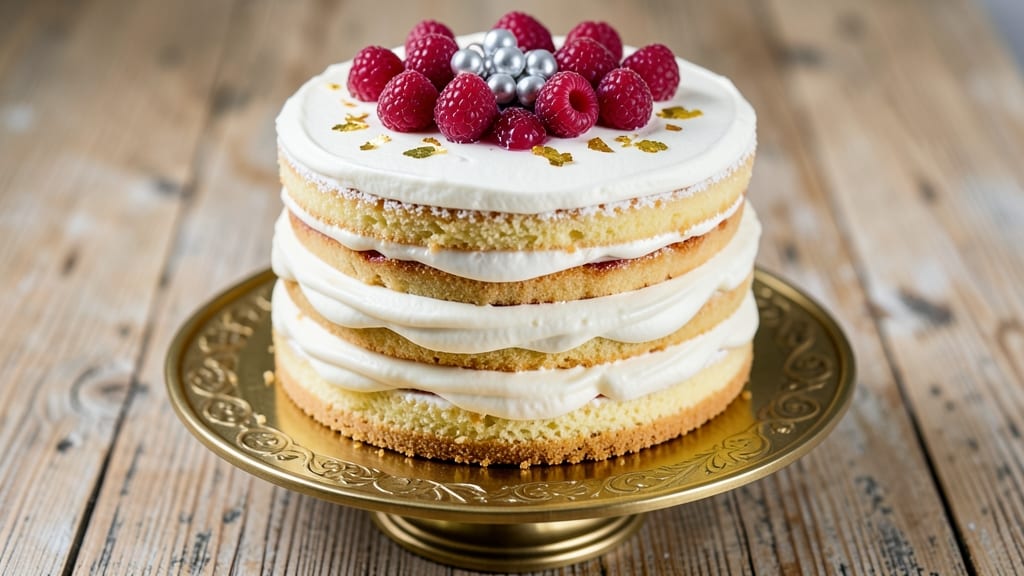
This American white cake recipe delivers the perfect balance of buttery vanilla flavor and tender crumb—no soggy layers in sight. 🌟 The secret lies in precise ingredient ratios and a foolproof baking technique that ensures a light, airy texture every time.
I've baked countless cakes, and this version consistently comes out with those signature fluffy layers and a delicate crumb that melts in your mouth.
The foundation starts with high-quality all-purpose flour and unsalted butter, creamed together until light and fluffy. This classic method creates the signature tender crumb that white cake is known for.
The cake bakes at a moderate temperature to ensure even cooking, and proper cooling prevents that dreaded sink-in-the-middle effect that plagues many home bakes.
What sets this recipe apart is the attention to detail in the baking process—from measuring ingredients accurately to ensuring the cake cools completely before frosting. The result is a cake that's light enough to slice easily but sturdy enough to hold layers of frosting without falling apart.
Perfect for birthdays, weddings, or any celebration that calls for a classic white cake.
Whether you're a beginner or an experienced baker, this recipe delivers consistent, professional-quality results. The frosting options are endless, from classic buttercream to delicate whipped cream, allowing you to customize it to your taste. Let's get started on creating the perfect white cake!
Ingredients for american white cake
Buttery, fluffy layers start with these quality ingredients—no shortcuts, just perfect white cake magic.
| Ingredient | Amount | Notes |
|---|---|---|
| All-Purpose Flour 🌾 | 2 ½ cups | Sifted for light texture |
| Unsalted Butter 🧈 | 1 cup | Softened to room temperature |
| Granulated Sugar 🍚 | 2 cups | Superfine if available |
| Vanilla Extract 🌸 | 2 tsp | Pure Madagascar bourbon |
| Large Eggs 🥚 | 4 whole | Room temperature preferred |
| Milk 🥛 | 1 cup | Whole milk for richness |
| Baking Powder 🍞 | 2 tsp | Diamond Crystal preferred |
| Salt 🧂 | ½ tsp | Fine sea salt |
| Vegetable Oil 🫒 | ½ cup | Light neutral flavor |
| Almond Extract 🌿 | ¼ tsp | Optional for depth |
| Cornstarch 🌽 | 1 tbsp | For extra tenderness |
The butter and flour are your foundation—Land O'Lakes unsalted butter and King Arthur flour are my go-tos for that signature tender crumb. Butter should be soft but not melted (press a finger in—it should leave a slight indent). The flour? Sift it through a fine-mesh sieve to avoid dense pockets. Whole milk adds richness, but 2% works in a pinch. Pro tip: Measure flour by spooning it into the cup and leveling—don’t pack it down. That’s how you get those airy layers instead of a brick.
No vanilla extract? Vanilla bean paste works too—just use half the amount. Running low on baking powder? Baking soda plus cream of tartar at a 1:2 ratio is a solid swap. The almond extract is optional but adds that classic white cake depth—skip it if you’re strictly vanilla-focused. For the sugar, superfine dissolves faster and gives a smoother texture, but regular granulated works if that’s what you’ve got. Walmart’s Great Value brand is surprisingly good for this. And yes, the eggs need to be room temp—cold eggs cause cracks and sinkage.
This batter keeps for 2 days in the fridge—whisk before baking. Baked cakes stay fresh 3 days wrapped airtight at room temp or 1 week in the fridge. For longer storage, freeze layers wrapped in plastic for up to 3 months. Thaw overnight in the fridge before frosting. And here’s the golden rule: Never frost a warm cake—wait at least 2 hours or it’ll melt your buttercream faster than you can say ‘soggy bottom.’
Why You'll Love This Recipe
- No Mixer Needed: I swear by this recipe when I’m in a hurry—just cream the butter and sugar by hand (or use a fork in a pinch), fold in the eggs, and let the vanilla do its magic. The batter’s light enough that even a quick whisk job works, and the eggs add just enough structure without overworking.
- Buttery Vanilla Bliss: That rich butter-to-sugar ratio? It’s what makes this cake sing—creamy, tender, and with that classic American sweetness that’s not too heavy. The vanilla extract isn’t just an afterthought; it’s the star, giving every slice a warm, cozy aroma that’s hard to resist.
- Endless Dress-Up Potential: Layer it with whipped cream for a birthday dessert, frost it with lemon glaze for brunch, or keep it simple with powdered sugar for a quick snack. It’s the blank canvas of cakes—perfect for holidays, potlucks, or just because you’re craving something sweet.
- Leftover Goldmine: This cake stays moist for days (yes, really), so I always bake a little extra. Slice it into squares for a grab-and-go treat, crumble it over ice cream, or stash it in the freezer for emergencies. Budget-friendly, too—just five basic ingredients stretch far.
Step-by-step instructions for American white cake
Here's the method that guarantees tender, buttery layers with a perfect crumb—no soggy ends in sight!
👨🍳 Step 1: Prepare Your Mixing Arsenal
First, preheat your oven to 350°F and grease two 9-inch round cake pans generously with butter or baking spray. Line the bottoms with parchment circles for easy removal. I like to use parchment cut to fit snugly—this prevents sticking and ensures clean edges when unmolding.
In a medium bowl, whisk together the 2.5 cups all-purpose flour, 2 tsp baking powder, 0.5 tsp salt, and 1 tbsp cornstarch. Sift this dry mixture directly into a large mixing bowl—this aerates the flour and prevents lumps later. Give it a quick stir to distribute evenly. This step is non-negotiable for that signature tender crumb.
🍳 Step 2: Cream Butter and Sugar to Ribbon Stage
In a stand mixer fitted with the paddle attachment, beat the 1 cup softened unsalted butter (it should yield slightly when pressed) and 2 cups granulated sugar on medium speed for 3-4 minutes until light and fluffy. You're looking for a pale, ribbon-like consistency that nearly doubles in volume—this incorporates air that will create those airy layers.
Here's where it gets fun: scrape down the sides of the bowl with a spatula to ensure even mixing. If you skip this, you'll end up with pockets of unmixed butter and sugar. Add the 2 tsp vanilla extract and 0.25 tsp almond extract (if using) and mix for another 30 seconds until fully combined. The almond extract adds subtle depth that elevates this classic recipe.
👨🍳 Step 3: Add Wet Ingredients Alternately
With the mixer on low speed, add 1 whole egg at a time, mixing just until each is fully incorporated before adding the next. This prevents overmixing and keeps the batter light. After all eggs are added, mix in the 1 cup milk and 0.5 cup vegetable oil until smooth—about 1 minute total.
Now, gradually add the dry ingredients in 3 additions, mixing on low speed just until combined after each addition. Overmixing develops gluten and makes the cake tough, so stop as soon as the flour disappears. The batter should be thick but pourable—if it looks too stiff, you've mixed too much. This is your target consistency: smooth, thick, and just slightly resistant when you lift the paddle.
🥘 Step 4: Divide and Bake for Perfect Layers
Divide the batter evenly between your prepared pans (you'll have about 1.25 cups per pan). Tap each pan gently on the counter to release any air bubbles. Bake for 25-30 minutes until a toothpick inserted in the center comes out clean with just a few moist crumbs clinging to it—this is the key to no soggy ends.
I know it's tempting to bake until the toothpick comes out completely clean, but that's how you end up with dry cake. The moment you see the top spring back when pressed gently with a finger, that's your cue to remove it from the oven. Let the cakes cool in their pans for 10 minutes, then transfer to a wire rack to cool completely before filling.
⏰ Step 5: Layer and Chill for Maximum Flavor
Once completely cooled, level the tops of your cakes if needed (a serrated knife works best). For filling, I recommend a simple vanilla buttercream made with ½ cup softened butter, 2 cups powdered sugar, and 1 tsp vanilla extract. Spread a thin layer on the first cake, then add the second layer. The filling should be thick enough to hold the layers but not so much that it oozes out the sides.
Chill the assembled cake in the refrigerator for at least 4 hours (overnight is even better). This crucial step allows the flavors to meld and the filling to set properly. When you're ready to serve, dust the top with powdered sugar or decorate with fresh berries. Each slice will reveal that perfect tender crumb and buttery richness you've earned!
Pro Tips For Making American White Cake
- CREAM BUTTER ROOM TEMP: Mix your butter and sugar when both are at room temp—no cold lumps, no greasy mess. I learned this the hard way after scraping butter chunks out of my mixer for the third time.
- WEIGH FLOUR LIKE A PRO: Spoon flour into your measuring cup, then level it off—don’t scoop directly from the bag. Packed flour = dense cake. My first batch was a brick until I fixed this.
- DON’T OVERMIX THE BATTER: Stop mixing as soon as the flour disappears—overworking makes white cake tough. Two minutes max after adding flour, or you’ll regret it later.
- USE COLD EGGS FOR STABILITY: Pull eggs straight from the fridge for a tighter crumb. Warm eggs? Your cake might sink in the middle. Trust me, I’ve seen it happen.
Flavor customization for american white cake
Citrus Zest Twist
Brighten your white cake with 1 tbsp lemon or orange zest added to the dry ingredients. The citrus oils infuse the batter with a subtle, refreshing aroma that cuts through the richness.
I like to use organic Meyer lemons for their natural sweetness. Pair this with a white chocolate ganache for a sophisticated dessert that still feels light and airy. 🍊
Spiced Vanilla Chai
Infuse the milk with ½ tsp chai spice blend (cinnamon, cardamom, ginger, cloves) while heating it to 110°F. Let it steep for 10 minutes before cooling completely. This adds warm, aromatic depth that complements the vanilla beautifully. Serve with a gingersnap crumble on top for texture contrast.
Coconut Lime Delight
Replace ½ cup milk with coconut milk and add 1 tbsp lime zest to the batter. The tropical notes create a bright, tropical twist that works especially well with a lime curd filling. For extra flair, toast ½ cup unsweetened coconut flakes and sprinkle them between layers.
Salted Caramel Swirl
Fold ½ cup salted caramel sauce (store-bought or homemade) into the batter after mixing all ingredients. Divide the batter between pans, then swirl in 2 tbsp caramel sauce with a knife before baking.
This creates marbled pockets of sweetness throughout each slice. Top with flaky sea salt after frosting for the perfect salty-sweet balance.
Espresso Mocha
Add 1 tbsp instant espresso powder to the dry ingredients for a subtle coffee note that pairs beautifully with chocolate frosting. I recommend using high-quality dark chocolate (like Ghirardelli 60%) for the filling. For extra richness, fold 2 tbsp chocolate ganache into the buttercream before assembling.
Berry Swirl Base
Fold ½ cup mixed berry jam (like raspberry or strawberry) into the batter after mixing all ingredients. Divide the batter, then swirl in 1 tbsp jam with a knife before baking.
This creates beautiful fruit pockets that burst with flavor. Top with fresh berries and a dusting of powdered sugar** for a stunning presentation. 🍓
Nutrition facts
Frequently asked questions
Why does my white cake turn out dense instead of light and fluffy?
Overmixing the batter develops gluten in the flour, creating a tough, dense texture. Mix just until combined—stop when the flour disappears. Also, ensure your butter is softened but not melted, and don't overbake. The cake is done when a toothpick comes out with a few moist crumbs, not completely clean.
Can I substitute vegetable oil for butter in this recipe?
You can replace ½ cup butter with vegetable oil, but the texture will be slightly different. Oil creates a moister cake, while butter gives that classic tender crumb. If substituting, reduce the milk by 2 tablespoons to maintain proper batter consistency. For best results, stick with the butter for that signature flavor.
How do I prevent my white cake from sinking in the middle?
Underbaking is the #1 cause of sinkage. Remove the cake from the oven when the top springs back when touched, not before. Let it cool in the pan for 10 minutes before transferring to a wire rack. Also, ensure your oven is properly calibrated—use an oven thermometer to confirm it's at 350°F.
What's the best way to store a white cake?
Keep your cake airtight at room temperature for up to 3 days, or refrigerate for 1 week. For longer storage, freeze layers wrapped in plastic for up to 3 months. Thaw overnight in the fridge before frosting. Never store a cake with buttercream in a warm environment—it'll melt and make the cake soggy.
Can I make this cake in a different pan size?
Yes, but you'll need to adjust baking times. For an 8-inch pan, bake 20-25 minutes (batter will be thicker). For a 10-inch pan, bake 30-35 minutes (batter will be thinner). Always use the toothpick test to determine doneness. Divide batter accordingly—an 8-inch pan needs about 1 cup, while a 10-inch pan takes 1.5 cups.