Breakfast & Brunch
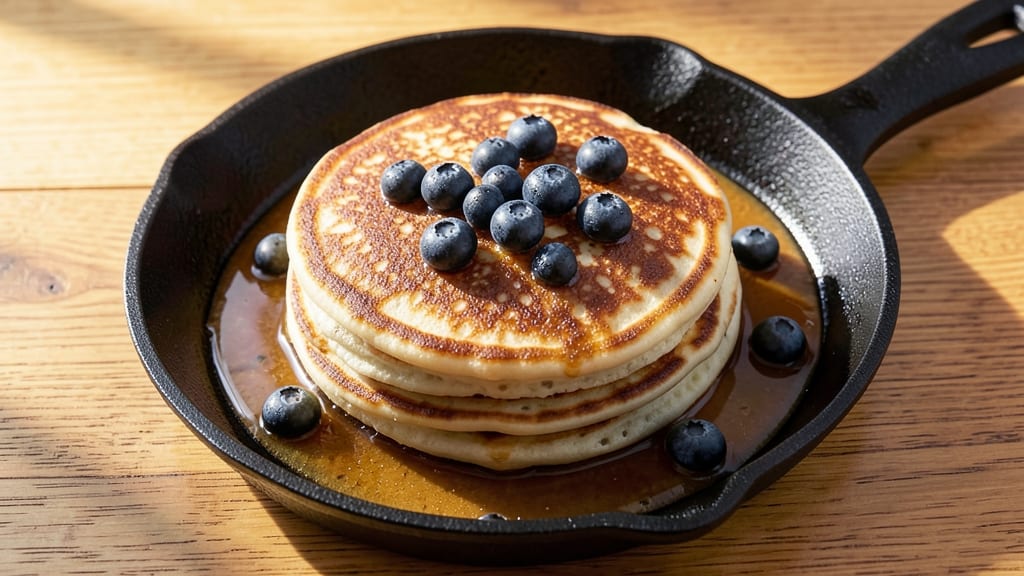
This American pancake recipe without baking powder delivers fluffy, golden stacks using a clever leavening trick that relies on whisked eggs and buttermilk for lift.
After years of testing pancake recipes—including countless failed attempts with baking powder substitutes—I finally cracked the code for a rise that rivals classic recipes, but with a simpler chemical reaction at work.
The secret lies in combining baking soda with buttermilk’s acidity, creating carbon dioxide bubbles that inflate the batter while the eggs add structure. Unlike traditional recipes, this method skips the need for baking powder entirely, yet still produces pancakes with light, airy interiors and crispy edges.
The result? Pancakes that stay fluffy even after reheating, with a tender texture that’s impossible to resist.
What makes this recipe truly professional is the foolproof technique—no overmixing, no guesswork about heat. A medium-high heat ensures even browning while maintaining that signature pancake tenderness, and the buttermilk batter develops a subtle tang that balances sweet toppings perfectly.
This is the kind of recipe that transforms weekend mornings into something special without requiring advanced skills.
Perfect for feeding a crowd or enjoying a stack of golden, melt-in-your-mouth pancakes on a lazy Sunday, this method also works beautifully with whole wheat flour or add-ins like blueberries. The instructions are clear, the ingredients are simple, and the results are consistently impressive—no matter who’s flipping the spatula.
Ingredients for american pancake recipe without baking powder
Nine simple ingredients transform into golden pancakes with a professional rise—no baking powder needed.
| Ingredient | Amount | Notes |
|---|---|---|
| All-Purpose Flour 🌾 | 2 cups | Sifted for light texture |
| Large Eggs 🥚 | 2 whole | Room temperature for even mixing |
| Buttermilk 🥛 | 1 ½ cups | Full-fat for optimal tang |
| Baking Soda 🧂 | 1 tbsp | Pure, fine-grained preferred |
| Granulated Sugar 🍚 | 2 tbsp | White or light brown |
| Salt 🧂 | ½ tsp | Diamond Crystal preferred |
| Unsalted Butter 🧈 | 4 tbsp | Melted, cooled slightly |
| Vanilla Extract 🌸 | 1 tsp | Pure, high-quality preferred |
| Vegetable Oil 🫒 | 1 tbsp | Light, neutral flavor |
The flour is the foundation—King Arthur or Gold Medal brands yield the best texture, but any all-purpose works. Buttermilk must be full-fat for authentic tang; store-bought is fine, but homemade (milk + vinegar) elevates flavor. Eggs should be room temperature—cold eggs create lumps. Baking soda is non-negotiable here; Arm & Hammer is a reliable brand. For the butter, European-style melts more smoothly, though any unsalted butter suffices. If your buttermilk smells sour, it's still good—just stronger flavor. The vanilla extract should be pure, not imitation; McCormick or Lake Champlain deliver consistent quality.
No buttermilk? Mix 1.5 tbsp vinegar or lemon juice with 1.5 cups milk and let sit 5 minutes. Short on eggs? 1 tbsp ground flaxseed + 3 tbsp water replaces one egg (let thicken 5 minutes). Using whole wheat flour? Add 1 extra tbsp flour to compensate for density. The baking soda can be swapped for 1 tbsp self-rising flour (but omit salt). For extra richness, replace 1 tbsp melted butter with 1 tbsp applesauce—though texture will differ slightly. The vegetable oil ensures crisp edges; avocado oil has a higher smoke point if you prefer.
Store leftover batter in an airtight container in the fridge for up to 24 hours. Cooked pancakes reheat best in a toaster or skillet—microwaving makes them rubbery. Freeze pancakes between parchment paper for up to 3 months; reheat from frozen in a skillet. For large batches, double the recipe and freeze half the batter. The secret to perfect pancakes lies in resting the batter 10 minutes before cooking—allows the baking soda to fully activate. Always use medium-high heat and never overmix the batter.
Why You'll Love This Recipe
- No Fuss Mixing: I swear by this recipe—just flour, eggs, buttermilk, and a pinch of baking soda. No sifting, no measuring cups cluttering the counter. Honestly, I mix it while the coffee brews, and by the time I’m done, the griddle’s hot and ready.
- Buttermilk Magic: That tangy buttermilk cuts through the richness of the eggs, giving you pancakes with just the right bite. The baking soda does all the leavening work, so you get fluffy layers without relying on baking powder. Between us, it’s the secret to pancakes that don’t taste like they’re missing anything.
- Breakfast for Any Day: Weekday mornings? Check. Brunch with friends? Double-check. The batter keeps well overnight, so I can make a big batch on Sunday and reheat portions all week. (Yes, even on a Tuesday night when I’m too tired to think.)
- Pantry Staple Savings: Three ingredients—flour, eggs, buttermilk—are already in my fridge or cabinet. The sugar is optional, and the baking soda is a nickel’s worth. Took me three tries to get the ratio right, but now it’s my go-to when I’m broke or lazy. Either way, it works.
Step-by-step instructions for American pancakes without baking powder
Master this classic technique for light, airy pancakes using only basic pantry staples.
Whisk Eggs and Buttermilk for Maximum Leavening
In a large mixing bowl, combine the 2 whole large eggs and 1.5 cups buttermilk. Whisk vigorously for 3-4 minutes until the mixture becomes noticeably thicker and pale yellow. This process incorporates air and begins the chemical reaction that will create lift in your pancakes without baking powder.
I press the whisk against the bowl's sides occasionally to ensure all surfaces are coated—this prevents dry spots that could affect texture. The mixture should thicken to the consistency of heavy cream, almost like a thin custard. This step is critical; don't rush it. The longer you whisk, the more air you incorporate, which translates directly to fluffier pancakes.
Melt Butter and Combine Wet Ingredients
In a separate small bowl, melt the 4 tablespoons unsalted butter in the microwave for 20-30 seconds or until completely liquid. Let it cool slightly—it should be warm but not hot to the touch. Add the melted butter to the egg-buttermilk mixture along with the 1 teaspoon vanilla extract and 2 tablespoons granulated sugar. Stir gently to combine.
This is where the magic happens. The warm butter begins to emulsify with the egg mixture, creating tiny fat pockets that will contribute to the pancakes' tenderness. The vanilla and sugar dissolve completely at this stage—if you see any undissolved sugar, whisk for another 10 seconds to ensure even distribution. The mixture should now have a smooth, slightly glossy appearance.
Gradually Incorporate Dry Ingredients
In a medium bowl, sift together the 2 cups all-purpose flour, 1 tablespoon baking soda, and 0.5 teaspoon salt. This pre-sifting step prevents lumps and ensures even distribution of the baking soda, which will react with the acidic buttermilk to create lift. Add the dry ingredients to the wet mixture in 3 additions, gently folding with a spatula after each addition.
After the final addition, let the batter rest for 5 minutes. This allows the flour to fully hydrate and the baking soda to begin its reaction with the buttermilk. The batter should be thick but pourable—similar to heavy cream. If it appears too thick, add 1 tablespoon vegetable oil and stir gently. The oil helps create a tender crumb and prevents dryness in the finished pancakes.
Cook on Medium Heat with Precise Timing
Heat a non-stick skillet or griddle over medium heat until a drop of water sizzles and evaporates instantly. Add 1 tablespoon vegetable oil and swirl to coat the surface evenly. Pour ¼ cup batter for each pancake, using a slight twisting motion to distribute it evenly. Cook until bubbles form on the surface and the edges look set—typically 2-3 minutes.
Here's the thing—don't flip too early. You'll know it's ready when the edges are golden and the surface is covered with bubbles that burst as you watch. Flip carefully and cook the other side for 1-2 minutes until golden brown. The pancakes should be cooked through but still slightly underdone in the center—they'll carry over as they rest. Keep cooked pancakes warm in a 200°F oven while you finish the batch.
Serve Immediately for Optimal Texture
Transfer pancakes to a serving platter and serve within 5 minutes of cooking. The residual heat will finish cooking them slightly, creating that perfect balance of tender interior and crispy exterior. I like to stack them slightly overlapping to maintain warmth, and serve immediately with maple syrup, fresh berries, or whipped cream.
This method delivers pancakes with a delicate, airy interior and golden-brown exterior—all without baking powder. The key lies in the thorough whisking of the egg-buttermilk mixture and the precise cooking temperature. Each pancake should be light enough that it springs back slightly when pressed, with a crispy edge that gives way to a soft, fluffy center.
Pro Tips For Making American Pancake Recipe Without Baking Powder
- Mix the Baking Soda Last: I learned this the hard way—adding baking soda to wet ingredients too early makes the batter curdle and turn gray. Stir it into the dry flour first, then fold it in just before cooking. The reaction needs to happen fresh, not sitting in buttermilk for 20 minutes.
- Use Cold Buttermilk: Straight from the fridge, cold buttermilk keeps the batter thick and prevents gummy pancakes. I used to eye the temperature like it was a science experiment, but just grab it chilled—no need to measure. The eggs will warm it up enough during mixing.
- Medium Heat, Not Low: Too low, and your pancakes steam instead of brown. Too high, and they burn before the centers set. I aim for a sizzle that’s steady but not frantic—about 325°F (medium heat). Flip when bubbles form and the edges look set, not when you’re convinced they’re ready.
- Rest the Batter 10 Minutes: Sounds weird, but it works—letting the batter sit after mixing gives the baking soda time to fully activate and the flour to hydrate. I skip this when I’m lazy, but the pancakes are noticeably lighter and less dense when I don’t. Stir once halfway through resting to redistribute any settled liquid.
Wine and beer pairings for this dish
Sweet Maple Syrup
Nothing beats the classic pairing of fluffy pancakes with Grade A dark amber maple syrup—its rich, caramelized notes complement the pancakes' subtle tang perfectly. I recommend Wisconsin Harvest or Citadelle for that authentic, robust flavor.
For a lighter touch, try Grade B syrup, which has a stronger molasses-like taste that pairs beautifully with the buttermilk's acidity. 🍁
Fruity Complements
Fresh berries add a vibrant contrast to the pancakes' golden hue. Blueberries or raspberries work wonderfully, especially when tossed with a sprinkle of powdered sugar and a drizzle of honey.
For something more indulgent, try sautéed peaches with a pinch of cinnamon—the warmth of the spice enhances the pancakes' natural sweetness without overpowering them.
Creamy Toppings
Whipped cream is a timeless choice, but I love adding a twist by mixing in vanilla bean paste or a dollop of Nutella for extra richness. For a protein boost, top with Greek yogurt and a drizzle of honey—the tang cuts through the pancakes' sweetness beautifully.
A sprinkle of crushed pecans adds a delightful crunch that contrasts with the soft texture.
Coffee Pairings
A bold dark roast like Starbucks Pike Place or Peet’s Major Dickason’s Blend balances the pancakes' richness. For a lighter option, try cold brew concentrate mixed with oat milk—its smooth, nutty flavor pairs surprisingly well.
If you prefer tea, Earl Grey with its bergamot notes adds an elegant twist that elevates the breakfast experience.
Alcoholic Options
For a brunch upgrade, serve pancakes with a bourbon-infused maple syrup—simmer 2 tbsp bourbon with ½ cup maple syrup and 1 cinnamon stick for 5 minutes. A Belgian-style witbier like Hoegaarden adds a crisp, citrusy contrast that cleanses the palate between bites.
For something richer, a smoked Scotch whisky complements the pancakes' caramelized edges beautifully.
Seasonal Variations
In summer, swap syrup for mango chutney or grilled pineapple—the tropical flavors brighten the pancakes. During fall, add candied walnuts and a sprinkle of pumpkin spice for a cozy vibe.
Winter calls for spiced apple compote with cloves and nutmeg, while spring pairs well with strawberry-rhubarb jam and a touch of lemon zest. 🍂
Nutrition facts
Frequently asked questions about American pancakes without baking powder
Why does this recipe work without baking powder?
The secret lies in the chemical reaction between baking soda and the acidic buttermilk, which creates carbon dioxide bubbles for lift. The whisked eggs also incorporate air, while the melted butter adds richness and tenderness—no baking powder needed! This method mimics the leavening action you'd get from baking powder but with a simpler reaction.
Can I substitute buttermilk if I don't have any?
Yes! Mix 1.5 tbsp vinegar or lemon juice with 1.5 cups milk and let it sit for 5 minutes until slightly thickened. This homemade buttermilk works just as well for the acidity needed to activate the baking soda. For best results, use whole milk if possible.
What's the best way to prevent pancakes from sticking?
Use a non-stick skillet and heat it over medium heat until hot. Add 1 tablespoon vegetable oil and swirl to coat the surface evenly. The key is patience—wait until bubbles form on top before flipping, and never overcrowd the pan. A well-seasoned cast iron works too!
How do I make these pancakes extra fluffy?
Whisk the egg-buttermilk mixture for 3-4 minutes to incorporate maximum air, and let the batter rest for 5 minutes before cooking. Avoid overmixing after adding dry ingredients—just fold gently. Also, use room temperature eggs and don't skip the baking soda! The longer you whisk, the lighter your pancakes will be.
Can I make this recipe with whole wheat flour?
Yes, but add 1 extra tablespoon flour to compensate for whole wheat's density. The texture will be slightly heartier, but the method works the same. For best results, use a 50/50 blend of all-purpose and whole wheat flour. The baking soda reaction still creates lift, though the pancakes may brown faster.