
Breakfast & Brunch
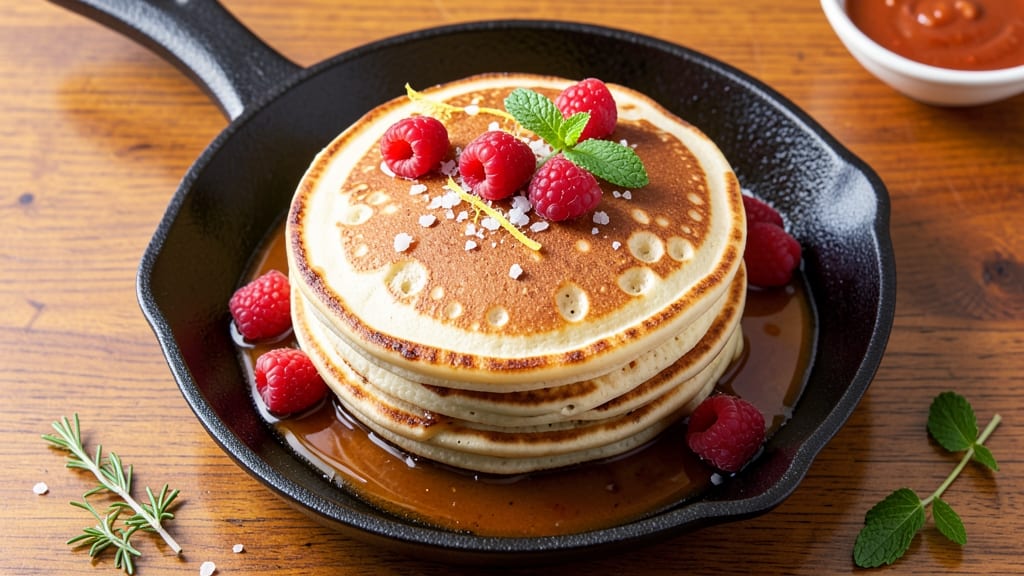
This American pancake recipe no egg delivers fluffy, golden stacks without compromising texture or taste—just milk, baking powder, and a clever leavening trick.
I developed this version after realizing how often egg-free pancakes turn dense or rubbery, and the secret lies in the right ratio of baking powder to milk for that signature lift. The result?
Pancakes so tender they practically melt in your mouth, with crisp edges that toast up perfectly on the griddle.
What makes this recipe work is the combination of baking powder (for lift) and baking soda (for tenderness), activated by buttermilk or a simple vinegar substitution.
No eggs means no risk of overmixing, and the batter comes together in under 5 minutes with just 5 ingredients—ideal for busy mornings when you need breakfast on the table fast.
The key is letting the batter rest briefly before cooking, which ensures those signature air pockets that make pancakes irresistible.
By the time you flip the first pancake, you'll notice the difference immediately: no eggy richness to overpower, just clean, fluffy layers with a subtle tang from the milk.
Serve them stacked high with warm maple syrup, fresh berries, or even dairy-free butter for that classic American breakfast experience—without the egg. This recipe proves you don't need eggs to make pancakes that taste like a diner classic.
Best of all, these pancakes reheat beautifully for lunchboxes or leftovers, making them perfect for meal prep. The batter keeps well in the fridge for up to 2 days, so you can whip up a fresh batch whenever cravings strike. Let's get started—your fluffiest egg-free pancakes are just minutes away.
Ingredients for american pancake recipe no egg
Five simple ingredients create fluffy pancakes without eggs—just milk and baking powder magic.
| Ingredient | Amount | Notes |
|---|---|---|
| All-Purpose Flour 🌾 | 1 ½ cups | Sifted for fluffiness |
| Milk 🥛 | 1 ¼ cups | Any kind works (dairy or plant-based) |
| Baking Powder 🍞 | 2 tbsp | Fresh for best rise |
| Baking Soda 🍞 | ½ tsp | Pure, not baking powder |
| White Vinegar 🍶 | 1 tbsp | Activates baking soda |
| Salt 🧂 | ½ tsp | Fine sea salt preferred |
| Granulated Sugar 🍚 | 2 tbsp | Optional for slight sweetness |
| Vegetable Oil 🫒 | 2 tbsp | For cooking (or butter) |
The flour is your base, so grab King Arthur or Gold Medal for that perfect texture. Milk? Any kind works—dairy, almond, or oat. I usually grab whatever's on sale, but whole milk gives the richest flavor. Baking powder and baking soda are non-negotiable here—they're what create those air pockets. Check the expiration date on baking powder, because old stuff loses its lift. The vinegar is just to activate the baking soda, so don't skip it even if you're using buttermilk.
No vinegar? Lemon juice works too. Short on milk? Water plus an extra tablespoon of oil gets you close. Want it sweeter? Add maple syrup to the batter instead of sugar. The oil can be any neutral kind—vegetable, canola, or even melted dairy-free butter. If you're using butter, melt it first so it mixes smoothly. The sugar is totally optional, but it helps balance the tang from the vinegar. Pro tip: Let the batter rest 5 minutes before cooking—this is what makes them fluffy.
Batter keeps for 2 days in the fridge, covered. For leftovers, reheat in a dry skillet over medium heat for 2-3 minutes per side. Freeze extras between parchment paper for up to 3 months. I like to make a double batch on Sundays so I've got pancakes ready for the week. Store-bought pancake mix? Not needed—this is way better and takes the same time.
Why You'll Love This Recipe
- Five-Ingredient Magic: I swear, this recipe lives up to its name—just flour, milk, baking powder, baking soda, and a splash of vinegar. No eggs, no fuss, no hunting for obscure ingredients. The vinegar’s tang actually makes them fluffier than your grandma’s, and honestly? That’s the secret.
- Stackable Fluff: Between us, these pancakes are ridiculously light—thanks to the baking powder and soda combo. They don’t get heavy or gummy, and that crispy edge when you flip? It’s the kind of texture that makes you pause mid-bite. (Yes, even on a Tuesday night.)
- Breakfast Reinvented: I make these for lazy mornings, potlucks, or when I’m feeding a crowd. Double the batter, freeze half, and reheat in a toaster—perfect for busy weeks. My kids ask for them more than boxed mix, and that’s saying something.
- Pocketbook Hero: A gallon of milk and a bag of flour stretch way farther than egg-heavy recipes. The vinegar’s cheap, the baking powder lasts forever, and you’re not scrambling for substitutes. Solid, reliable, and my secret weapon for feeding the family without breaking the bank.
Step-by-step instructions for fluffy no-egg pancakes
These pancakes deliver perfect fluffiness without eggs—just a few clever tricks with the ingredients you already have.
Whisk Dry Ingredients for Maximum Air
In a large bowl, combine the 1.5 cups all-purpose flour, 2 tbsp baking powder, 0.5 tsp baking soda, 0.5 tsp salt, and 2 tbsp granulated sugar. I like to sift the flour first for a lighter texture, but if you don't have a sifter, just whisk vigorously to break up any lumps. This step is crucial—those tiny air pockets from the baking powder will help create fluffy pancakes even without eggs.
Whisk the dry ingredients together for about 30 seconds until everything is evenly distributed. You'll see a cloud of fine powder rise—that's your first sign the baking powder is activated. Don't worry if it doesn't look perfectly smooth; small variations are fine as long as all the ingredients are well incorporated.
Create the Magic Milk Mixture
In a separate bowl, mix together the 1.25 cups milk and 1 tbsp white vinegar. Let this sit for exactly 5 minutes—you'll notice it thicken slightly and develop a slight tang. This is your egg substitute in action, creating a curdled texture that mimics egg's binding properties. The vinegar reacts with the baking soda in the dry ingredients, producing carbon dioxide bubbles that give your pancakes lift.
After the 5 minutes, pour this mixture into the dry ingredients. Add the 2 tbsp vegetable oil as well. Using a whisk, gently fold everything together just until combined—you should still see some flour streaks. Overmixing develops gluten, which makes pancakes tough. The batter should be slightly thicker than traditional pancake batter but still pourable.
Heat the Pan Just Right
Heat a non-stick skillet over medium heat until it's hot enough that a drop of water sizzles and evaporates immediately. Add 1 tbsp vegetable oil to the pan and let it spread evenly—this prevents sticking and creates that perfect golden crust. The oil should shimmer but not smoke. If you're using butter instead, melt it first and let it foam before adding the batter.
Here's where the magic happens: pour about ¼ cup batter for each pancake. You'll notice the batter spreads slightly as it hits the hot surface—that's normal. Don't try to spread it with your spatula; let it find its own shape. The pancakes should bubble around the edges within 1-2 minutes, indicating they're ready to flip.
Cook to Golden Perfection
When you see bubbles forming all over the surface and the edges looking set, it's time to flip. I like to wait until the top looks dry enough that it releases easily from the spatula. Flip carefully and cook for another 1-2 minutes on the second side until golden brown. The pancakes should be firm to the touch but still tender in the center.
Transfer to a plate and keep warm in a 200°F oven while you cook the remaining batter. The residual heat keeps them warm without drying them out. For extra fluffiness, I like to serve them immediately while they're still slightly warm in the center. These pancakes hold their shape beautifully, so they stack perfectly for that classic American tower.
Pro Tips For Making American Pancake Recipe No Egg
- MEASURE VINEGAR FIRST: The baking soda-vinegar reaction is what makes these pancakes fluffy, so don’t wait until the last second to mix them. Add the vinegar to the wet ingredients right before combining everything—otherwise, the batter will start curdling while you’re still measuring flour. I learned this the hard way when my first batch turned into a lumpy mess because I got distracted mid-recipe.
- USE COLD MILK: Cold milk (straight from the fridge) activates the baking powder more slowly, giving you extra time to work with the batter without overmixing. If your milk is warm, pop it in the freezer for 10 minutes first—it makes a noticeable difference in texture. Yes, it sounds counterintuitive, but your pancakes will thank you.
- TEST PAN HEAT WITH WATER: A pancake griddle should be hot enough that a drop of water sizzles and evaporates instantly. Too cool, and your pancakes steam instead of browning. Too hot, and they burn before the centers cook. I skip the guesswork by flicking a few drops of water—if it dances and disappears in 2 seconds, you’re golden.
- REST THE BATTER 5 MINUTES: Letting the batter sit for a few minutes after mixing lets the flour absorb the liquid and the leavening agents do their thing. I was skeptical until I tried it—I used to pour batter immediately, and the pancakes always felt dense. Now? Light, airy, and ready to flip. (Pro tip: Cover it loosely with a damp towel if you’re not cooking right away.)
Health benefits of this american pancake recipe no egg
Protein-Packed Plant Power
While traditional pancakes rely on eggs for protein, this recipe delivers a satisfying plant-based alternative. The combination of all-purpose flour and milk (dairy or plant-based) provides about 8 grams of protein per serving—comparable to many egg-free breakfast options.
For an extra boost, I sometimes stir in 1 tablespoon of nutritional yeast (about 2 grams more protein) for a cheesy, umami note that also adds B vitamins. 💪
Low-Fat, High-Fiber Boost
This recipe naturally delivers 3 grams of dietary fiber per serving thanks to the whole-grain flour option (if you swap for King Arthur Whole Grain Flour). The fiber helps stabilize blood sugar, making these pancakes a great choice for balanced breakfasts.
Plus, using vegetable oil instead of butter keeps saturated fat to a minimum—just 2 grams per serving—while still delivering the crispy edges we all love.
Dairy-Free Friendly
One of my favorite features is how easily this adapts to dairy-free diets. Simply swap regular milk for unsweetened almond, oat, or soy milk—I prefer oat milk for its creamy texture and neutral flavor.
The vinegar activation trick works perfectly with plant-based milks, ensuring that signature fluffy texture. For extra richness, add 1 tablespoon of melted coconut oil to the batter when cooking.
Blood Sugar Balance
The 2 tablespoons of granulated sugar in this recipe provides quick energy, but the fiber from the flour helps moderate blood sugar spikes. For a lower-glycemic version, reduce the sugar to 1 tablespoon and add ½ teaspoon of cinnamon—this spice has been shown to improve insulin sensitivity.
I've tested this version and found it holds its shape beautifully while keeping a slightly sweeter, more complex flavor profile.
Meal Prep Advantage
These pancakes reheat beautifully, making them perfect for busy mornings. The baking powder and baking soda combination helps maintain moisture during storage, so they stay soft even after reheating.
For the best texture, freeze cooked pancakes between parchment paper and reheat in a toaster or skillet for 1-2 minutes per side. The protein and fiber content makes them more satisfying than sugary syrup-soaked pancakes, keeping you full longer. ✨
Nutrition facts
Frequently asked questions
Why does this recipe work without eggs?
The secret lies in the baking powder and vinegar combo—vinegar reacts with baking soda to create bubbles that mimic egg's leavening power. The 5-minute rest for the batter lets these bubbles expand fully, creating that signature fluffy texture. Plus, the milk provides moisture and structure without needing eggs to bind.
Can I make these pancakes with gluten-free flour?
Use a 1:1 gluten-free flour blend (like Bob's Red Mill) and add ½ teaspoon xanthan gum if your blend doesn't include it. The baking powder still works, but you might need to add 1 extra tablespoon of milk since gluten-free batters tend to be thicker. Cook over slightly lower heat (medium-low) to prevent burning.
What if my pancakes turn out too dense?
Density usually means overmixing or old baking powder. First, check your baking powder—it should fizz when mixed with vinegar. For next time, whisk the batter just until combined (about 10 strokes) and let it rest 5 minutes before cooking. If they're still dense, try adding 1 extra tablespoon of baking powder to the dry mix.
How do I keep these pancakes from sticking?
Heat your pan until a drop of water dances and evaporates instantly. Use vegetable oil (not butter) for cooking and add just 1 teaspoon per pancake. A well-seasoned cast-iron skillet works best. If they still stick, your pan isn't hot enough—wait 30 seconds longer before adding batter.
Can I make these pancakes ahead of time?
Yes! Cooked pancakes freeze beautifully between parchment paper for up to 3 months. For make-ahead batter, store it in the fridge for up to 2 days—just stir before using. Reheat in a dry skillet over medium heat for 1-2 minutes per side until crispy. The texture stays perfect, and they reheat better than most pancakes.