
Desserts
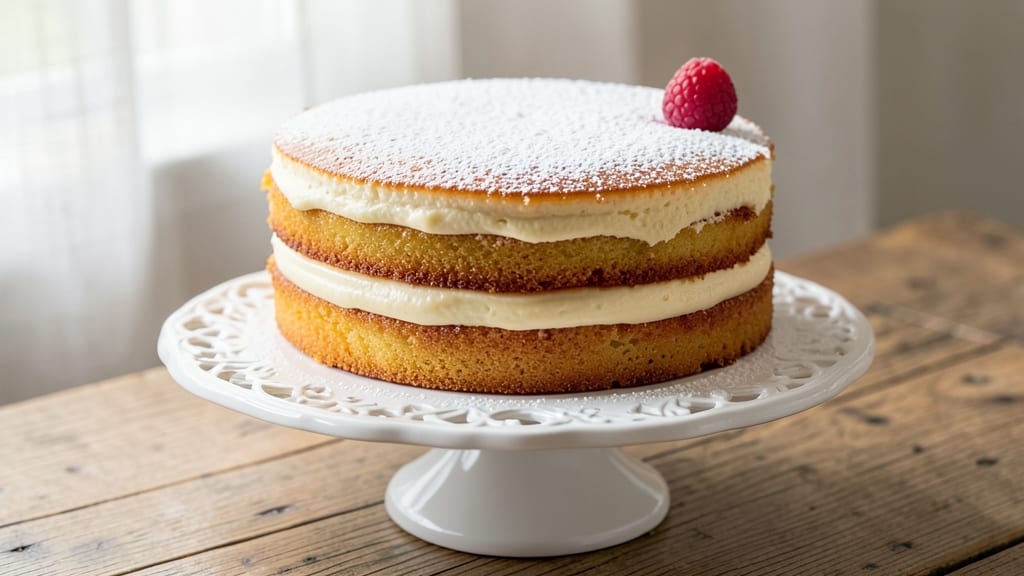
This American butter cake recipe delivers the perfect balance of tender vanilla cake and a buttery streusel hug that makes every bite irresistible. 💛 The secret lies in creaming butter and sugar properly, creating a light, airy crumb that stays moist for days.
I've perfected this classic dessert over years of baking, ensuring it rises just right with a golden crust that cracks beautifully.
The magic happens with a simple yet effective technique: folding dry ingredients gently into the butter mixture to maintain air pockets while keeping the texture rich and velvety. A warm streusel topping, made with brown sugar and flour, adds a delightful crunch that contrasts perfectly with the soft cake beneath.
This recipe builds on traditional methods while offering flexibility for variations like chocolate or spice-infused streusels.
What you'll achieve is a cake that's moist without being dense, with layers of flavor that satisfy any sweet tooth. The streusel topping caramelizes slightly during baking, creating pockets of buttery sweetness that melt into the cake.
It's the kind of dessert that feels like a warm hug—comforting, familiar, and impossible to resist.
Whether you're baking for a family gathering or treating yourself, this recipe delivers restaurant-quality results with minimal fuss. The instructions are straightforward, and the ingredients are pantry staples, making it accessible for both beginners and seasoned bakers. Let's get started on creating this timeless classic!
Ingredients for american butter cake
Twelve pantry staples transform into a tender vanilla cake with a buttery streusel crown—moisture guaranteed.
| Ingredient | Amount | Notes |
|---|---|---|
| Unsalted Butter 🧈 | 1 cup | Cold, cubed for creaming |
| Granulated Sugar 🍚 | 2 cups | Superfine preferred for smooth texture |
| Light Brown Sugar 🍚 | ½ cup | Packed, for streusel topping |
| Large Eggs 🥚 | 2 whole | Room temperature for even mixing |
| All-Purpose Flour 🌾 | 2 cups | Sifted, plus extra for pan |
| Baking Powder 🍃 | 2 tsp | Aluminum-free for tender crumb |
| Salt 🧂 | ½ tsp | Fine sea salt preferred |
| Pure Vanilla Extract 🌿 | 1 tbsp | High-quality, no alcohol aftertaste |
| Whole Milk 🥛 | ½ cup | Room temperature for smooth batter |
| Old-Fashioned Rolled Oats 🌾 | ½ cup | Blended into flour for streusel |
| Ground Cinnamon 🌶️ | ½ tsp | For warm streusel flavor |
| Cornstarch 🌾 | 1 tbsp | For extra tenderness in cake |
The butter quality is non-negotiable here. European-style unsalted butter (like Plugrá or Land O'Lakes European Style) has higher fat content, creating that signature tender crumb. If you can only find regular butter, chill it thoroughly before cubing—cold butter incorporates air better during creaming. For the brown sugar, light or dark both work, but light gives a more delicate caramel flavor in the streusel. The vanilla extract should be pure, bourbon-based if possible—McCormick Pure Vanilla or Nielsen-Massey are reliable choices. If you're short on time, the oats can be pre-blended into the flour using a food processor, but pulse just until combined to avoid over-processing.
No vanilla extract? Seeds from one vanilla bean (scraped and soaked in warm water for 30 minutes) work beautifully, though they're pricier. Substituting milk? Heavy cream or buttermilk both add richness—use the same amount. For a gluten-free adaptation, swap the all-purpose flour for a 1:1 gluten-free blend, but add an extra 0.5 tsp xanthan gum to mimic the structure. The baking powder must be fresh—if it's over a year old, test it by mixing with water; if it doesn't bubble, replace it. For the streusel, if you're feeling adventurous, swap half the brown sugar for dark brown sugar and add 0.25 tsp cayenne pepper for a subtle kick. The cornstarch is optional but helps prevent a gummy texture in humid climates.
Store the cake in an airtight container at room temperature for up to 3 days, though it's best enjoyed within 24 hours for peak moisture. If you're making it ahead, bake the cake and let it cool completely, then wrap tightly in plastic wrap and refrigerate for up to 5 days. For longer storage, freeze the fully baked cake (without the streusel) for up to 3 months. To reheat, warm slices in a 350°F oven for 5-7 minutes or microwave for 10-15 seconds. The streusel topping can be made a day ahead and stored in the fridge—just sprinkle it on fresh from the oven for maximum crunch.
Why You'll Love This Recipe
- No Mixer Needed: I swear by this—just cream the butter and sugars by hand until it’s light and fluffy. No fancy equipment, no stress. That brown sugar? It’s the secret to that perfect moist crumb without overworking the dough.
- Buttery Bliss: The moment you pull it out of the oven, that aroma—warm butter, caramelized sugar, just a hint of vanilla if you add it—hits you like a hug. Rich but not heavy, thanks to that tender crumb from the eggs and flour.
- Birthday Party Ready: Slice it for a crowd, frost it with cream cheese or chocolate, or serve it plain with fresh berries. It’s the star of any celebration, yet simple enough that you won’t spend hours stressing over it.
- Budget-Friendly Staples: Five ingredients, all pantry basics. No weird substitutions or specialty items—just good, honest baking. And the leftovers? They last days, whether you reheat slices or stash them for quick breakfasts.
Step-by-step instructions for American butter cake
This classic technique delivers a tender crumb and buttery streusel that hugs every bite.
👨🍳 Step 1: Cream Butter and Sugars for Maximum Tenderness
In a stand mixer fitted with the paddle attachment, beat the 1 cup unsalted butter on medium speed until smooth and creamy, about 1 minute. This ensures no lumps remain. Gradually add the 2 cups granulated sugar and 0.5 cup light brown sugar, mixing on medium-high speed for 3-4 minutes until the mixture is light, fluffy, and nearly doubles in volume.
You'll see the sugar gradually dissolve and the butter become pale—this is your signal for proper aeration. The reason we wait until the mixture lightens is that cold butter absorbs into the sugar instead of creating that airy texture we're after. If your kitchen gets warm, chill the bowl for 10 minutes before proceeding.
👨🍳 Step 2: Incorporate Eggs and Dry Ingredients
Add the 2 whole large eggs, one at a time, mixing on low speed for 30 seconds after each addition until fully incorporated. This gradual addition prevents curdling. Stir in the 1 tbsp pure vanilla extract and mix for 10 seconds to distribute the flavor evenly.
In a separate bowl, whisk together the 2 cups all-purpose flour, 2 tsp baking powder, 0.5 tsp salt, and 1 tbsp cornstarch. Sift this dry mixture directly into the wet ingredients while mixing on low speed for 30-45 seconds until just combined. You should still see small flour streaks—overmixing develops gluten and makes the cake tough. Stop mixing immediately when the batter comes together.
👨🍳 Step 3: Prepare the Streusel Topping
In a small bowl, combine the 0.5 cup old-fashioned rolled oats, 0.5 cup light brown sugar, 0.5 tsp ground cinnamon, and the remaining 2 tablespoons unsalted butter (reserved from the creaming process). Pulse in a food processor until the mixture resembles coarse crumbs with some larger oat pieces remaining. This texture gives the streusel its signature bite.
For extra richness, fold in 1 tablespoon all-purpose flour from your reserved stash. The streusel should hold together when pressed but still crumble easily. If it feels too dry, add 1 teaspoon whole milk to bind it. This topping is what transforms a simple cake into a showstopper with every slice.
🥘 Step 4: Layer and Bake for Perfect Rise
Preheat your oven to 350°F. Grease and flour two 9-inch round cake pans (or one 9x13-inch pan for sheet cake). Divide the batter evenly between the pans, filling each ⅔ full. Sprinkle half of the streusel topping evenly over each layer, pressing down gently to ensure good contact with the batter.
Bake for 25-30 minutes until a toothpick inserted in the center comes out clean. The edges should be golden brown while the top may have a few soft streusel spots. Rotate the pans halfway through baking for even browning. If the streusel browns too quickly, tent the pans with foil to prevent over-browning while the cake continues to bake.
⏰ Step 5: Cool and Serve for Optimal Moisture
Remove the cakes from the oven and let them cool in the pans for 10 minutes. This brief resting period prevents the cakes from collapsing when transferred. Run a knife around the edges to loosen, then invert onto a wire rack to cool completely. For extra moisture, brush the warm cakes with a simple glaze made from ½ cup powdered sugar and 1 tablespoon whole milk while still slightly warm.
The cakes should be tender with a fine crumb and a lightly crisp streusel that clings to each bite. Serve at room temperature with fresh berries or a dollop of whipped cream. The contrast between the moist cake and buttery streusel is what makes this classic American dessert truly special.
Pro Tips For Making American Butter Cake
- CREAM THE BUTTER SLOWLY: I learned this the hard way—dumping cold butter into sugar and expecting magic to happen just leads to lumps. Let the butter soften to room temp first (about 1 hour out of the fridge), then mix it with the sugars on medium-low for 3-4 minutes until it’s pale and fluffy. The extra time upfront saves you from a dense, dry cake later.
- USE ROOM-TEMP EGGS: Cold eggs? Big mistake. Whisk them first until they’re fully emulsified, then let them sit at room temperature for 10 minutes before adding to the batter. This keeps the cake’s texture light—no more sinking centers or weird gaps. (Yes, even if you’re impatient like me.)
- DON’T OVERMIX THE BATTER: After folding in the flour, stop as soon as it’s just combined. Overmixing develops gluten, turning your tender butter cake into a dry, chewy disaster. Two quick turns with a spatula is all it takes—your cake will thank you with a moist, velvety crumb.
- BAKE UNTIL THE CENTER SPRINGS BACK: The toothpick test is overrated. Press the center lightly with your finger—if it springs back immediately (not slowly), it’s done. Overbaking is the fastest way to ruin this cake, so pull it out when it’s still slightly underdone. It’ll set as it cools. (Trust the finger, not the toothpick.)
Regional styles of this american butter cake
Southern Classic
This is the butter cake you’ll find at Southern bakeries and family gatherings, where it’s often served with sweet tea. The key here is the brown sugar streusel, which gets just crisp enough to contrast the cake’s softness.
I remember my grandmother always adding a pinch of salt to the streusel—it balances the sweetness perfectly. For an authentic touch, use light brown sugar and let the streusel caramelize slightly during baking. 💛
Midwest Homestyle
The Midwest version often skips the streusel entirely, focusing instead on a thicker, denser cake with a crumb so fine it almost melts in your mouth. This style pairs beautifully with apple butter or peanut butter frosting. The secret?
Mixing the dry ingredients directly into the wet batter for a more compact texture. I like to add 1 teaspoon of cornstarch to keep it extra moist—this is a staple in Midwest kitchens for potlucks and church socials.
New England Twist
Up north, they love adding spices like nutmeg or cardamom to the cake batter for a warm, aromatic kick. The streusel often includes chopped pecans or walnuts for texture.
I’ve made this version with ½ teaspoon of ground nutmeg in the batter and a sprinkle of toasted pecans in the streusel—it’s a crowd-pleaser at holiday gatherings. The cooler climate means the cake stays moist longer, too.
Modern Fusion
For a contemporary take, try swapping the vanilla extract for matcha powder (½ teaspoon) in the batter and adding white chocolate chunks to the streusel. This fusion style keeps the classic butter cake structure but gives it a Japanese-inspired twist.
Another fun idea? Add bourbon or espresso powder (½ teaspoon) to the batter for a boozy, coffee-infused flavor. The streusel can even get a chili-lime zest boost for a sweet-spicy contrast. ✨
Texas-Style
In Texas, butter cakes often get a thicker, almost pound-cake-like texture with a generous layer of pecan streusel on top. The trick? Using more butter (up to 1.25 cups) and reducing the milk slightly.
I’ve seen versions where the streusel includes crushed graham crackers for extra crunch. Serve it warm with a scoop of vanilla bean ice cream for the ultimate Texas-sized dessert. 🌶️
Pacific Northwest Adaptation
Out west, they love adding berries—like blueberries or raspberries—to the batter for a fruity surprise. The streusel might include dried cranberries or chopped almonds for texture. I’ve made this version with ½ cup of mixed berries folded into the batter and a lemon zest twist in the streusel.
The cooler, damp climate means the cake stays moist for days, making it perfect for weekend brunch. 🍓
Nutrition facts
Frequently asked questions
Why does this butter cake recipe use both granulated and brown sugar?
The granulated sugar creates a lighter texture by dissolving quickly, while the brown sugar adds moisture and caramel depth to both the cake and streusel. Together, they create that signature tender crumb with subtle sweetness variations.
Can I substitute butter with oil for a lighter cake?
Not recommended! Butter's fat content creates the signature tender crumb, while oil makes cakes denser. If you must substitute, use ½ cup melted butter + ½ cup oil, but expect a slightly different texture. The streusel also relies on butter for its crispy, caramelized flavor.
How do I prevent the cake from cracking on top?
Cracking happens when the cake bakes too fast. Prevent it by:
- Preheating your oven fully,
- Not overfilling pans (⅔ full), and
- Baking at 350°F with the oven door closed. If cracks appear, they're harmless—just brush with simple syrup (equal parts sugar and water) to keep the cake moist.
What's the best way to store leftovers?
Store at room temperature in an airtight container for up to 3 days, or refrigerate for 5 days. For longer storage, freeze the baked cake (without streusel) for 3 months. Reheat slices at 350°F for 5 minutes or microwave for 10 seconds. The streusel loses crunch when frozen—add fresh after thawing.
Can I make this cake gluten-free?
Yes! Replace the all-purpose flour with a 1:1 gluten-free blend (like Bob's Red Mill) and add ½ tsp xanthan gum. For the streusel, use certified gluten-free oats. Note the texture may be slightly denser, but the moisture will remain excellent. Always test your blend first—some require extra liquid.