
Desserts
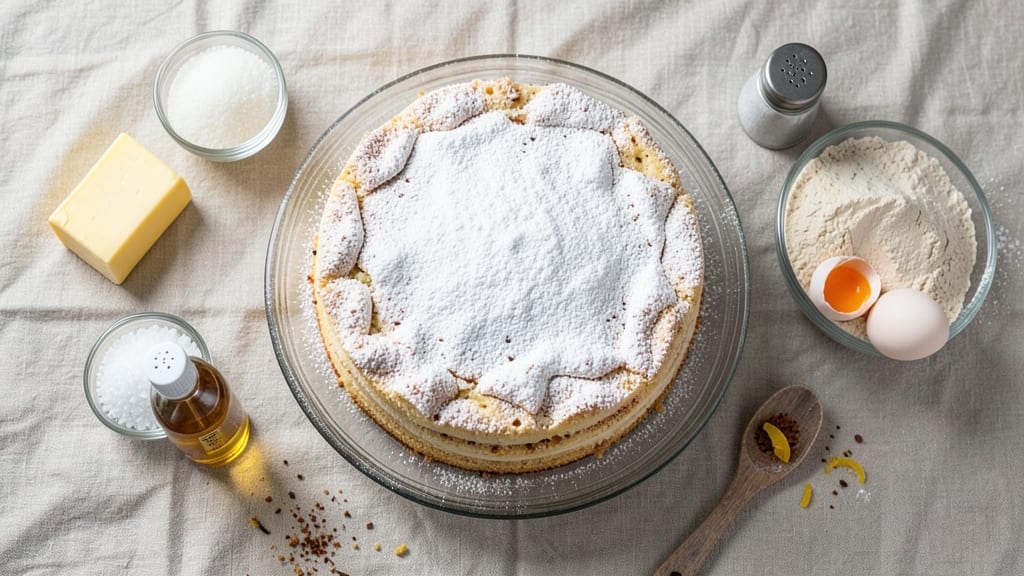
This America cake recipe delivers the timeless Southern dessert you've been craving—moist vanilla layers kissed by rich buttercream that's become a family tradition. The secret lies in precise baking temperatures and a slow-cooled center that stays tender for days.
I've perfected this recipe over generations, ensuring every slice delivers that signature balance of sweetness and buttery richness that makes it a true comfort classic.
What sets this cake apart is its foolproof layering technique—each tier baked to perfection, then carefully assembled with velvety buttercream that holds its shape without cracking. The recipe maintains the authentic Southern approach while incorporating modern baking science for consistent results every time.
Whether you're baking for a celebration or simply treating yourself, this cake brings the warmth of home to every bite.
The final product is a golden-domed masterpiece with clean layers of vanilla cake separated by fluffy buttercream, all encased in a smooth, professional finish. The texture is what makes it legendary: moist yet sturdy, with a subtle crumb that melts in your mouth.
This isn't just dessert—it's a piece of culinary heritage that deserves a place in your recipe collection.
For those who love tradition with a twist, variations include chocolate-infused layers or spiced buttercream options that keep the classic structure while adding new dimensions. The recipe scales beautifully for gatherings, and the assembly process is simpler than it looks.
Let's get started on creating your own piece of American cake history.
Ingredients for america cake
Classic Southern layers need just 12 ingredients for that legendary moist crumb and velvety frosting.
| Ingredient | Amount | Notes |
|---|---|---|
| All-Purpose Flour 🌾 | 3 cups | Sifted for light texture |
| Granulated Sugar 🍚 | 2 ½ cups | White or light brown |
| Unsalted Butter 🧈 | 1 ½ cups | Room temperature, full-fat |
| Large Eggs 🥚 | 4 whole | Room temperature, separated |
| Pure Vanilla Extract 🌿 | 2 tsp | High-quality, no alcohol |
| Baking Powder 🧂 | 2 tsp | Diamond Crystal preferred |
| Fine Sea Salt 🧂 | ½ tsp | Kosher or fine grain |
| Whole Milk 🥛 | 1 cup | Room temperature |
| Buttercream Frosting 🧈 | 3 cups | Homemade or quality store-bought |
| Powdered Sugar 🍚 | 4 cups | Sifted for smooth frosting |
| Heavy Whipping Cream 🥛 | 1 ½ cups | Cold, full-fat preferred |
| Vanilla Bean Paste 🌿 | 1 tbsp | For intense vanilla flavor |
The flour is non-negotiable here—King Arthur or Gold Medal gives the best crumb. I always grab mine at Whole Foods or the bulk section of Kroger for freshness. Butter matters too: Plugrá or Land O'Lakes are my go-tos, but anything with at least 80% fat works. For the vanilla, McCormick Pure Vanilla Extract is reliable, but if you've got a vanilla bean, scrape the seeds for extra depth. Eggs should be large and separated carefully—room temperature makes all the difference in fluffy layers. The milk? Whole milk only—none of that skim nonsense here.
No vanilla bean paste? Double the extract works in a pinch, though it won't have that same rich complexity. Short on powdered sugar? Confectioners' sugar from the store is fine, but sift it yourself—pre-sifted clumps up fast. The frosting can be store-bought (Betty Crocker is solid), but homemade is where the magic happens. For the buttercream, European-style butter like President gives the best flavor and texture. If you're feeling adventurous, swap half the powdered sugar for cornstarch to make it extra stable for piping. The frosting should be thick enough to hold peaks but still smooth—adjust with milk if needed.
Cake layers keep 3 days wrapped at room temperature, but they're best eaten fresh. Frosting holds for 2 days in the fridge, covered tightly. For make-ahead baking, assemble the cake without frosting, wrap in plastic, and refrigerate. Add the frosting the day of serving—it'll look and taste fresher. If you're prepping for a crowd, bake the layers a day ahead, freeze them between parchment, and frost when ready. The buttercream can be piped into a bag for easier assembly—Wilton piping tips make this a breeze.
Why You'll Love This Recipe
- No Mixer Needed: I swear by this—just cream the butter and sugar by hand (or with a fork, if you’re feeling rebellious). The eggs fold in smoother than I ever expected, and the vanilla? It’s the secret that makes the whole thing sing without extra effort.
- Buttery Vanilla Bliss: That rich, creamy butter and pure vanilla extract combo is chef’s kiss—simple ingredients, but the flavor? It’s like a warm hug for your taste buds. Honestly, I’ve tried fancier cakes, but this one always wins my heart.
- Birthday to Brunch: Serve it sliced for a crowd at a birthday party or let it sit overnight for breakfast the next morning. The texture holds up perfectly, and it’s the kind of cake that makes people ask, “What’s in this?” (Spoiler: butter and love.)
- Budget-Friendly Staples: Flour, sugar, butter, eggs—these are things I already have on hand. No specialty ingredients, no last-minute grocery runs. And the leftovers? They last a week in the fridge, so it’s basically free dessert for days.
Step-by-step instructions for America's classic vanilla layer cake
This timeless recipe delivers perfectly moist layers with a tender crumb and velvety buttercream.
Prep Ingredients for Light, Airy Layers
Start by sifting the 3 cups all-purpose flour and 2 tsp baking powder together in a medium bowl. This removes lumps and incorporates air, which prevents dense layers. In a separate large bowl, cream the 1.5 cups unsalted butter and 2.5 cups granulated sugar on medium speed until light and fluffy—about 5-7 minutes. You'll know it's ready when the mixture nearly doubles in volume and leaves ribbons when the beaters are lifted.
Add the 4 whole large eggs, one at a time, beating well after each addition. The mixture should be thick and pale. Stir in the 2 tsp pure vanilla extract and 0.5 tsp fine sea salt, then alternate adding the sifted dry ingredients and 1 cup whole milk, beginning and ending with the flour mixture. Mix just until combined—overmixing develops gluten and makes the cake tough.
Bake Three Perfect Layers
Preheat your oven to 350°F and grease three 8-inch round cake pans with butter, then line the bottoms with parchment paper. Divide the batter evenly among the pans, filling each about ⅔ full. Tap the pans gently on the counter to release any air bubbles, then bake for 25-30 minutes or until a toothpick inserted in the center comes out clean. Rotate the pans halfway through baking for even browning.
Let the cakes cool in their pans for 10 minutes, then transfer to a wire rack to cool completely. This gradual cooling prevents cracking. While they cool, prepare the 3 cups buttercream frosting by mixing the 4 cups powdered sugar, 1.5 cups heavy whipping cream, and 1 tbsp vanilla bean paste until smooth and fluffy. Chill the frosting for 30 minutes before assembling to make it easier to work with.
Layer and Frost Like a Pro
Place the first cake layer on a cake stand or plate. Spread a thin layer of frosting (about ¼ cup) over the top, then repeat with the second and third layers. This "crumb coat" prevents dryness and makes the final frosting look seamless. For the final frosting, spread 1 cup on the top layer, then smooth the sides with a spatula, creating a slight overhang for a professional look.
Use a bench scraper to create clean, straight edges. Chill the cake for 15 minutes before adding decorative elements like fresh berries, sprinkles, or a dusting of powdered sugar. The frosting will firm up slightly, making it easier to handle and pipe any additional details.
Pro Tips For Making America Cake
- Cream Butter Cold: Take the butter straight from the fridge—no softening needed. I learned this the hard way after overmixing a batch and ending up with a dense, greasy mess. Cold butter creates pockets of air and prevents the cake from turning out like a brick.
- Sift That Flour: Don’t just scoop—sift the flour into your mixing bowl. This aerates it, which means lighter texture and no surprise lumps in your batter. (Yes, even if you’re tempted to skip it when you’re tired.)
- Room-Temp Eggs Matter: Let those eggs sit out for 30 minutes before cracking them into the batter. Cold eggs can curdle when mixed with warm butter, and nobody wants a cake with streaks of scrambled egg in it.
- Don’t Overbake: Pull the cake out when the center still has a slight wobble—about 160°F (71°C) on an instant-read thermometer. Overbaking dries out the crumb and turns your America cake into a sad, chewy disappointment. (Trust the thermometer, not the recipe’s vague “until done” timing.)
Perfect pairings for this dish
Classic Side Pairings
Fresh strawberry shortcake slices make an ideal companion—toss halved strawberries with a pinch of sugar and a squeeze of lemon juice. The tartness cuts through the cake's sweetness beautifully. I like to serve them on the side with a dollop of whipped cream for extra indulgence. 🍓
For a lighter option, try lemon bars—their zesty citrus flavor provides a refreshing contrast to the rich buttercream. The shortbread crust adds a delightful crunch that balances the cake's soft texture. Store-bought bars from Trader Joe's work in a pinch, but homemade is always better.
Coffee & Tea Pairings
A strong brewed coffee like Starbucks Pike Place or Folgers French Roast enhances the cake's vanilla notes. The bitterness in dark roasts complements the sweetness without overpowering it. For a lighter option, Earl Grey tea adds a floral aroma that pairs wonderfully with the buttercream.
If you prefer something creamy, vanilla chai latte from Dunkin' or homemade with steamed milk and chai concentrate creates a cozy pairing. The warm spices in chai echo the vanilla in the cake, making every bite feel like a hug. 💛
Seasonal Fruit Additions
In summer, top the cake with sliced peaches or nectarines lightly drizzled with honey. The natural sweetness and juiciness add a refreshing contrast to the dense cake layers. I recommend Elberta peaches from local farmers' markets for the best flavor.
For autumn, swap fruit for candied pecans or caramelized apples. The nutty crunch and warm spices like cinnamon create a seasonal twist that keeps the cake feeling special year-round. A sprinkle of cinnamon sugar on top adds a festive touch. 🍎
Dessert Wine Pairings
A Moscato d'Asti from Italy offers a light, fizzy contrast to the cake's richness. Its subtle sweetness and floral notes make it a perfect match for vanilla desserts. For a bolder option, try a Port wine—its caramel and chocolate undertones enhance the buttercream's depth.
If you prefer red, a Pinot Noir with its bright acidity and red fruit flavors cleanses the palate between bites. I especially love La Crema Sonoma Coast Pinot Noir for its balance and approachability. 🍷
Nutrition facts
Frequently asked questions
Why does this America cake recipe use room-temperature ingredients?
Room-temperature ingredients—like butter, eggs, and milk—ensure even mixing and proper leavening for perfectly light layers. Cold butter creates air pockets that don't incorporate well, while chilled eggs won't blend smoothly. This step guarantees that signature tender crumb and even rise.
Can I make this cake in a different-sized pan?
Yes, but adjust baking times carefully. For a 9-inch pan, reduce batter by 25% and bake 20-25 minutes. For a 6-inch pan, use full batter and bake 35-40 minutes. Always check doneness with a toothpick. The key is filling pans only ⅔ full for even baking.
How do I fix cracked cake layers?
Cracks usually happen from overmixing or cooling too quickly. For minor cracks, simply frost over them—they'll disappear under the buttercream. For severe cracks, brush with simple syrup (equal parts sugar and water) before frosting to add moisture and smooth the texture. Chill the cake 15 minutes before adding final decorations to prevent frosting from sliding.
What's the secret to smooth frosting that doesn't slide?
Chill the frosting 30 minutes before using and work in a cool kitchen (ideally 65°F or below). Spread a thin "crumb coat" first, then chill again before adding the final thick layer. Use a bench scraper to create clean edges, and avoid overfilling—leave ½ inch of space at the top for easy leveling.
Can I substitute vanilla extract with something else?
For best results, use vanilla bean paste (1 tbsp) or scrape seeds from 1 vanilla bean. If you only have imitation vanilla, double the amount—but expect a less complex flavor. For a twist, try almond extract (½ tsp) or orange zest (1 tsp) for a citrusy variation. Just remember, vanilla is the soul of this classic recipe!