
Desserts
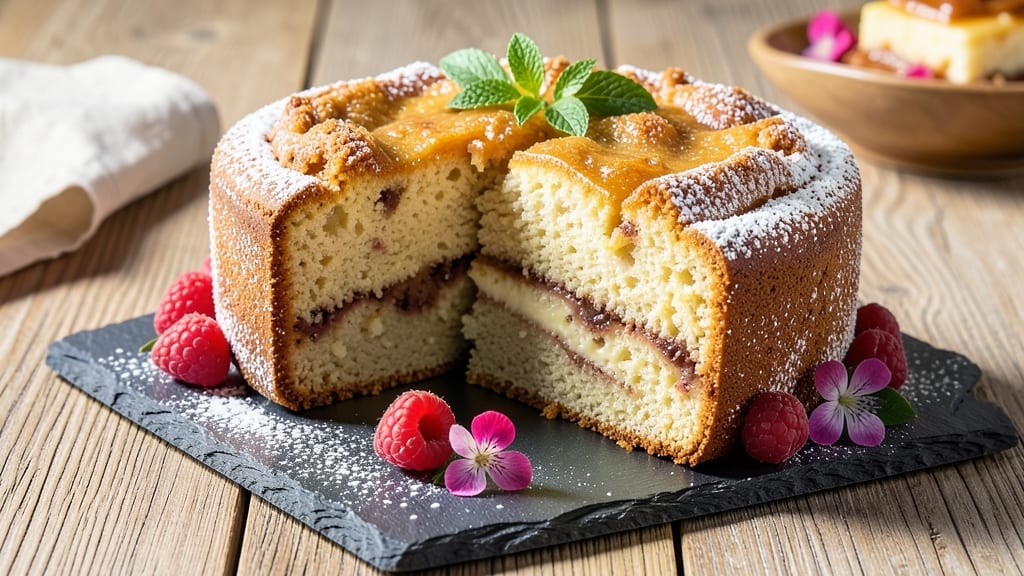
This amazing pound cake recipe delivers layers so tender they practically melt in your mouth—no dry crumbs in sight. 💛 The secret? Whisking eggs and sugar until they triple in volume, creating air pockets that keep the cake light and fluffy.
I've been perfecting this recipe for years, and it never fails to impress.
What sets this pound cake apart is its foolproof technique—no fancy equipment needed, just basic ingredients mixed in the right order. The vanilla bean paste adds depth that store-bought extracts can't match, while the buttercream frosting ties everything together with sweet, creamy perfection.
Ready in just one hour, this cake is perfect for birthdays, holidays, or whenever you crave something truly special.
By the time you slice into it, you'll see those perfectly moist layers with a delicate crumb that holds up beautifully. The frosting adds a velvety finish, making every bite worth the wait. Trust me, this is the kind of cake that disappears faster than you can say "second slice."
Serve it warm with fresh berries or dusted with powdered sugar for a classic touch. Let's get baking!
Ingredients for amazing pound cake
Just 12 ingredients transform into ultra-moist layers that vanish in your mouth.
| Ingredient | Amount | Notes |
|---|---|---|
| Unsalted Butter 🧈 | 1 cup | Room temperature, full-fat preferred |
| Granulated Sugar 🍚 | 2 cups | Superfine if possible for smoother texture |
| Large Eggs 🥚 | 4 whole | Room temperature, freshest quality |
| All-Purpose Flour 🌾 | 2 cups | Sifted, spooned lightly |
| Vanilla Bean Paste 🌿 | 2 tbsp | Real vanilla, not imitation |
| Baking Powder 🧂 | 1 tsp | Aluminum-free preferred |
| Salt 🧂 | ½ tsp | Fine sea salt |
| Milk 🥛 | ½ cup | Room temperature, whole preferred |
| Powdered Sugar 🍚 | 2 cups | For buttercream frosting |
| Unsalted Butter 🧈 | ½ cup | Room temperature, extra for frosting |
| Heavy Cream 🥛 | 1 cup | Cold, for whipped buttercream |
| Vanilla Extract 🌿 | 1 tsp | Pure vanilla extract |
The butter matters most here—unsalted, full-fat sticks from Land O'Lakes or Plugrá give the best flavor. Room temperature is key (stick it in warm water for 10 minutes if needed). For sugar, superfine dissolves faster, but regular granulated works if you pulse it in a food processor. Eggs should be fresh—no older than 2 weeks. I grab mine from Whole Foods or the local farm stand when in season. The vanilla bean paste? Walmart or Amazon has decent options, but if you're splurging, Madagascar bourbon vanilla from specialty stores is worth it.
No vanilla bean paste? Double the vanilla extract (2 tsp) and add a pinch of cinnamon. Subbing butter? Vegetable shortening works but lacks flavor—stick with butter for that rich taste. The milk can be any kind (dairy, almond, oat), but whole dairy milk keeps the cake moistest. For the frosting, if you're avoiding dairy, coconut cream whipped with powdered sugar is a great swap. And trust me, sift the flour—it makes all the difference in that tender crumb.
This cake keeps for 3 days at room temperature, wrapped tightly in plastic. For longer storage, freeze the layers (without frosting) for up to 3 months. The frosting? Make it a day ahead—it tastes better chilled. I always slice mine 1 hour after baking so the layers set properly. Leftovers? Reheat slices in the microwave for 10 seconds to revive the moisture—like it was just baked.
Why You'll Love This Recipe
- No-Fuss Mixing: I swear by the creaming method here—just butter, sugar, and eggs beaten until light and fluffy. No sifting, no stress, and that ribbed texture happens almost by magic. Honestly, the hardest part is waiting for the oven to preheat.
- Vanilla Bomb: That little splodge of vanilla bean paste? It’s the secret weapon. The real deal—none of that imitation junk—and it turns this cake from good to wow. The aroma alone makes my kitchen smell like a bakery.
- Slice-and-Serve Magic: This cake stays moist for days, so it’s my go-to for breakfast (toasted with jam), dessert (drizzled with chocolate), or even a quick snack. Between us, I’ve fed a crowd with one pan—just cut it thin and watch it disappear.
- Butter Budget Hack: Rich but not wasteful. A pound cake feeds six, but the leftovers? Perfect for lunchboxes or a midnight craving. And since you’re using just butter and sugar in the base, it’s cheaper than buying pre-sliced cake—without sacrificing quality.
Step-by-step instructions for ultra-moist vanilla pound cake
Here's how to bake layers so tender they practically melt in your mouth.
👨🍳 Step 1: Whisk Butter and Sugar to Fluffy Perfection
In a stand mixer fitted with the whisk attachment, combine the 1 cup unsalted butter and 2 cups granulated sugar. Beat on high speed for 4-5 minutes until the mixture is pale, thick, and nearly tripled in volume. You're looking for a ribbon-like consistency—when you lift the whisk, the mixture should form soft peaks that slowly melt back into the bowl.
This step is where the magic happens. The air incorporated here creates that signature light, airy texture. Don't rush it—I've seen people skip this and end up with dense cake. Also, make sure your butter is truly room temperature; it should leave a slight indent when pressed but not be greasy.
🍳 Step 2: Add Eggs and Vanilla in Stages
Add the 4 whole large eggs, one at a time, mixing on medium-high speed for 30 seconds after each addition. The mixture will look slightly curdled at first, but keep going. After all eggs are incorporated, add the 2 tbsp vanilla bean paste and mix for another 30 seconds until fully combined.
Here's the thing—adding eggs too quickly can cause them to scramble. Going slow ensures each egg gets fully emulsified. The vanilla bean paste adds depth that regular extract can't match. If you don't have paste, use 2 teaspoons vanilla extract instead, but you'll miss that beautiful flecks of vanilla bean.
👨🍳 Step 3: Alternate Dry and Wet Ingredients Gently
With the mixer on low speed, add 1/3 of the 2 cups all-purpose flour to prevent a cloud of dust. Mix just until combined, then add ½ of the ½ cup milk. Repeat this alternating process, ending with flour. Finally, add the 1 tsp baking powder and ½ tsp salt, mixing just until the dry ingredients disappear.
This gentle folding keeps the air you worked so hard to incorporate. Overmixing develops gluten and makes the cake tough. The batter should be smooth but still slightly thick—like pudding. If it looks too thin, you've overmixed. If it's too thick, you might need to add a splash more milk.
🔥 Step 4: Bake in Prepared Pans for Even Rise
Preheat your oven to 350°F. Generously butter and flour two 9-inch round cake pans (or one 9x13-inch pan for sheet cake). Divide the batter evenly between the pans and smooth the tops. Bake for 50-60 minutes (round pans) or 40-50 minutes (sheet cake) until a toothpick inserted in the center comes out clean.
The key here is patience. The cake should be golden brown on top but still slightly springy to the touch. If the tops brown too quickly, tent with foil. For extra moisture, I like to place the pans on a baking sheet and add ½ cup water to the bottom of the oven during baking—this creates steam that keeps the cake tender.
⏰ Step 5: Cool and Layer with Vanilla Whisk Magic
Let the cakes cool in their pans for 10 minutes, then transfer to a wire rack to cool completely. While they cool, make the frosting by beating the ½ cup unsalted butter and 2 cups powdered sugar until light and fluffy. Add the 1 cup cold heavy cream and 1 tsp vanilla extract, beating until stiff peaks form.
This is where the "whisk magic" comes in—whipping the cold cream with buttercream creates a lighter, more stable frosting. Assemble your cake with layers of frosting between the cake slices. The result should be ultra-moist layers with a velvety smooth finish. For extra wow factor, pipe decorative swirls on top before serving.
Pro Tips For Making Amazing Pound Cake
- Cream Butter Slowly: I learned this the hard way—dumping cold butter into sugar and whipping like crazy just makes a greasy mess. Let the butter sit at room temp for 2-3 hours first, then beat it with sugar on medium-high for 3-5 minutes until it’s light and fluffy, not just pale. That’s when you know the air’s properly incorporated, and your cake won’t sink like a lead weight.
- Sift That Flour: Skipping the sifting is lazy, and your cake will pay for it. After mixing wet ingredients, sift the flour directly into the bowl—don’t just dump it—then gently fold it in with a spatula. This keeps the texture tender and prevents dense pockets. (Yes, even if you’re impatient like me.)
- Don’t Overmix the Eggs: After adding the eggs, mix just until combined—no streaks, no overbeating. I used to whip them into oblivion, thinking more was better, but that introduces too much air and makes the cake collapse. A few gentle folds are all you need; the butter’s already done the heavy lifting.
- Use a Thermometer: Pound cake’s done at 210°F (93°C) for that perfect crumb—not when it springs back or looks golden. Ovens run hot, and pulling it too soon means a gummy center. Invest in a cheap thermometer, stick it in the middle, and wait. Your future self will thank you.
Common mistakes when making this dish
Overmixing the Batter
I’ve seen so many first-time bakers turn their pound cake into a dense brick by overmixing the batter. Once you’ve added the flour and baking powder, mix just until the dry ingredients disappear—about 10-15 seconds on low speed.
Overmixing develops gluten, which makes the cake tough and chewy. The batter should look smooth but still slightly thick, like pudding. If it starts to look shiny or stretchy, you’ve gone too far. 💛
Skipping Room-Temp Ingredients
Cold butter and eggs are the #1 reason pound cakes turn out dry or greasy. Butter should be soft but not melted—press your finger into it; it should leave a slight indent. Eggs should be at room temperature too (about 30 minutes out of the fridge).
I’ve ruined cakes by using cold ingredients, and trust me, you’ll taste the difference. If your kitchen is cold, run the butter under warm water for 10 minutes to speed things up.
Incorrect Pan Prep
Greasing pans with just butter leaves flour residue that can burn or stick. Always butter AND flour your pans thoroughly—this creates a smooth barrier. For round pans, I use a pastry brush to coat the bottom and sides with melted butter, then sprinkle flour evenly.
Tap out any excess before pouring in the batter. A well-prepared pan ensures even baking and easy release. Pro tip: Place your pans in the freezer for 10 minutes before baking to help them rise faster.
Opening the Oven Too Soon
Resist the urge to check on your cake early! Opening the oven door causes temperature fluctuations that can cause the cake to sink or develop a dome. Wait until at least 30 minutes have passed before peeking.
If you’re worried, use the toothpick test—insert it in the center; it should come out with a few moist crumbs, not wet batter. Patience here ensures that perfect rise and texture you’re after. 🔥
Using Old or Low-Quality Ingredients
Old eggs or rancid butter can make even the best recipe fail. Eggs should be no older than 2 weeks, and butter should smell fresh with no off odors. For sugar, superfine dissolves faster, but regular granulated works if you pulse it briefly in a food processor.
I always buy my vanilla bean paste from Walmart’s gourmet section or Amazon—it’s worth the small splurge for that authentic flavor. Don’t skimp on basics; they make all the difference.
Overbaking for Dryness
Pound cake is forgiving, but overbaking turns moist layers into dry, crumbly disappointment. The cake is done when the center springs back when pressed gently and a toothpick comes out clean. If yours browns too quickly, tent with foil.
For extra moisture, I place a baking sheet with ½ cup water in the oven during baking—this creates steam that keeps the cake tender. Pull it out just as it reaches the perfect doneness; it’ll continue cooking slightly as it cools. ⏰
Nutrition facts
Frequently asked questions
Why does this pound cake turn out so moist compared to others?
The secret lies in whisking the butter and sugar until they triple in volume, creating air pockets that keep the cake light. Plus, we add milk and steam during baking to lock in moisture. The result? Layers that stay tender for days!
Can I make this cake without a stand mixer?
Use a hand mixer or even a whisk—just work the butter and sugar for 8-10 minutes until pale and thick. The key is patience; you'll know it's ready when the mixture forms soft peaks. For eggs, whisk them separately before adding to the batter.
How do I store leftovers to keep them fresh?
Wrap the cake tightly in plastic wrap and store at room temperature for up to 3 days. For longer storage, freeze the layers (without frosting) for 3 months. To revive slices, microwave for 10 seconds—they'll taste like fresh-baked!
What's the best way to add flavor variations?
Swap vanilla bean paste for 1 tsp lemon or orange zest for citrusy notes, or add ½ cup chocolate chips to the batter. For a boozy twist, replace half the milk with ½ cup bourbon or rum. Just reduce baking time by 5-10 minutes—alcohol evaporates faster!
Why did my cake sink in the middle?
This usually happens from opening the oven too soon or overmixing. Let the cake bake undisturbed for 30 minutes before checking, and mix just until combined after adding flour. For extra insurance, chill the batter for 10 minutes before baking to help it rise properly.