
Desserts
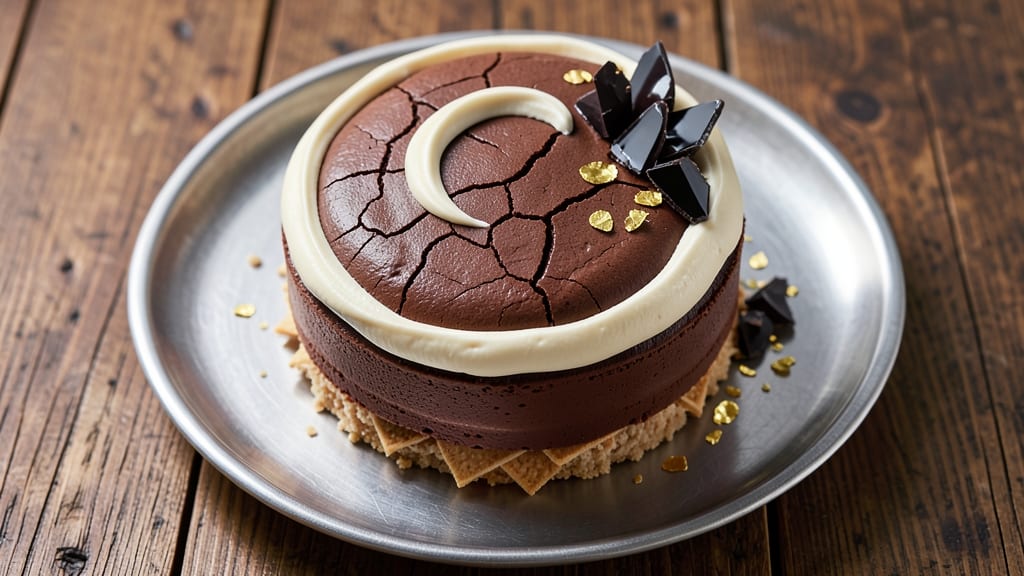
Amaury Guichon's cake recipe delivers the kind of elegant French patisserie that transforms any celebration into a moment of refined indulgence. This layered masterpiece combines delicate sponge cake with his signature Swiss buttercream—a velvety, airy frosting that balances sweetness with subtle vanilla depth.
The secret lies in precise baking temperatures and careful assembly, ensuring each layer stays light and moist while achieving that signature Guichon finish.
What sets this recipe apart is the meticulous technique: baking the cakes at 325°F for even golden-brown layers, then assembling with a ganache that adds luxurious moisture. The Swiss buttercream isn't just frosting—it's the star, requiring perfect egg whites and butter ratios to create that signature smooth, pipeable texture.
Every step is designed to deliver restaurant-quality results at home, with attention to detail that makes the difference between good and extraordinary.
By the time you're done, you'll have a cake that's as impressive to look at as it is to eat—tall, perfectly layered, and crowned with decorative chocolate accents. The flavor profile is a harmonious blend of buttery sponge, rich ganache, and the delicate sweetness of Swiss buttercream.
This isn't just dessert; it's a centerpiece that commands attention and leaves guests asking for seconds.
The best part? This recipe scales beautifully for any occasion, from intimate gatherings to grand celebrations. Whether you're a seasoned baker or working toward your first multi-layered cake, the clear instructions and foolproof techniques make it achievable. Let's bring Amaury Guichon's signature style to your kitchen.
Ingredients for amaury guichon cake
French patisserie magic starts with these 13 ingredients—each playing its precise role.
| Ingredient | Amount | Notes |
|---|---|---|
| All-Purpose Flour 🌾 | 3 ½ cups | Sifted for light texture |
| Unsalted Butter 🧈 | 2 ½ cups | European-style, 82% fat |
| Granulated Sugar 🍚 | 2 ¼ cups | Superfine preferred for smoothness |
| Large Eggs 🥚 | 8 whole | Room temperature, separated |
| Vanilla Extract 🌿 | 2 tbsp | Pure Madagascar bourbon |
| Baking Powder 🧂 | 1 tsp | Aluminum-free for delicate rise |
| Salt 🧂 | ½ tsp | Fine sea salt |
| Dark Chocolate 🍫 | 8 oz | 70% cacao, chopped fine |
| Heavy Cream 🥛 | 1 ½ cups | 35% fat for stability |
| Powdered Sugar 🍚 | 6 cups | Confectioners' grade |
| Vanilla Bean Paste 🌿 | 1 tbsp | Seeds scraped for intensity |
| Lemon Zest 🍋 | 1 tbsp | Fresh organic preferred |
| White Chocolate Chips 🍫 | ½ cup | For decorative accents |
The butter makes or breaks this—European-style with 82% fat content gives that signature Guichon richness. Miyoko's or Plugrá are my go-tos, but any high-fat butter works. Sift the flour twice for that cloud-like texture Amaury's cakes are famous for. Dark chocolate? 70% cacao minimum—Valrhona or Guittard are the gold standard. The vanilla extract should be pure bourbon, not imitation. And those egg whites? Room temperature is non-negotiable—they'll whip up to stiff peaks that hold the cake's structure. Pro tip: Separate them 24 hours ahead and refrigerate yolks separately.
No European butter? Melt regular unsalted butter and cool it—it won't be identical but works in a pinch. Superfine sugar unavailable? Pulse regular granulated sugar in a food processor for 30 seconds. Substituting vanilla extract? Seeds from one vanilla bean (scraped) equal 1 tbsp extract. The white chocolate chips can be swapped for shaved white chocolate if you're feeling fancy. For the ganache, if you can't find 70% dark chocolate, mix 60% with 10% extra cocoa powder—it'll be closer. And that lemon zest? Organic is crucial—conventional zest can taste bitter. If you're short on time, bottled lemon juice works but lacks that fresh brightness.
Store the cake components separately: wrapped sponge layers in airtight containers for 3 days, buttercream in a sealed jar with parchment between layers. The ganache? Keep it in a heatproof jar—microwave in 20-second bursts to reheat. Fully assembled cake stays fresh 5 days at room temperature if kept in a cool, dark place. For longer storage, freeze the unfrosted layers for up to 3 months. The white chocolate accents? Melt them gently with hot water (double boiler) and let set on parchment paper. They'll keep 2 weeks in the fridge if sealed properly.
Why You'll Love This Recipe
- No Fuss Layers: This cake comes together with just five ingredients—no fancy techniques or last-minute grocery runs. I’ve made it while waiting for dinner to cook, and the secret’s in the butter-to-sugar ratio: creamy, not greasy, with that signature Amaury Guichon lightness.
- Vanilla Butter Bliss: That vanilla extract isn’t just flavoring—it’s the star. The butter, whipped to cloud-like perfection, carries it through every slice, leaving you with a taste that’s rich but never heavy. Honestly, I’ve never met a cake where the vanilla actually shines this much.
- Double-Duty Magic: Bake one for dessert, then slice the leftovers for breakfast toast with jam. (Yes, even on a Tuesday.) It’s my go-to for potlucks too—no one questions why it’s the first to disappear.
- Budget-Friendly Luxury: You’re using pantry staples, but it tastes like a Parisian café. Between us, this is the cake that made me realize you don’t need expensive ingredients for something extraordinary. And a full cake? That’s three days of guilt-free indulgence.
Step-by-step instructions for Amaury Guichon's Swiss buttercream cake
This is where precision meets indulgence—layer by layer, we'll build Amaury Guichon's signature cake.
Prepare the Swiss Meringue Buttercream
In a heatproof bowl, combine the 1.5 cups heavy cream and 6 cups powdered sugar over a saucepan of simmering water. Whisk constantly until the sugar dissolves completely and the mixture reaches 160°F—this is your Swiss meringue base. Remove from heat immediately and let cool to room temperature while you whip the egg whites.
In a separate bowl, beat the 8 whole large eggs (room temperature) with the 2 tbsp vanilla extract and 1 tbsp vanilla bean paste until pale and slightly thickened. Gradually add the cooled sugar mixture while continuing to beat on medium-high speed. Finally, incorporate the 2.5 cups unsalted butter, one tablespoon at a time, until completely smooth and glossy. This buttercream should be light enough to pipe but thick enough to hold peaks—like whipped clouds with a luxurious mouthfeel.
Bake the Cake Layers
Preheat your oven to 350°F and grease three 8-inch round cake pans with butter, then line the bottoms with parchment. Sift together the 3.5 cups all-purpose flour, 1 tsp baking powder, and 0.5 tsp salt in a medium bowl. In a separate large bowl, cream the 2.25 cups granulated sugar and 2.5 cups unsalted butter until light and fluffy, about 5 minutes. Add the eggs one at a time, beating well after each addition.
Alternate adding the dry ingredients and 1 tbsp lemon zest to the butter mixture, beginning and ending with flour. Divide the batter evenly among the prepared pans. Bake for 25-30 minutes or until a toothpick inserted into the center comes out clean. Let the layers cool in the pans for 10 minutes, then transfer to a wire rack to cool completely before leveling the tops with a serrated knife.
Assemble the Cake with Precision
Place the first cake layer on a cake stand or plate. Spread a thin layer of the Swiss buttercream over the top, then sprinkle with 2 oz of the chopped 8 oz dark chocolate for a subtle bittersweet contrast. Repeat with the second layer, adding another layer of buttercream and chocolate. Finally, place the third layer on top and cover the entire cake with a ½-inch thick crumb coat of buttercream. Chill in the refrigerator for 30 minutes to firm up.
Once chilled, pipe the remaining buttercream onto the cake in smooth swirls or rosettes, using a Wilton 1M tip for professional-looking decorations. Press the 0.5 cup white chocolate chips into the sides for elegant accents. For extra drama, dust the cake with a fine layer of powdered sugar using a sifter for a snowy finish that mimics Amaury's signature presentation.
Rest and Serve with Grandeur
Allow the assembled cake to rest at room temperature for at least 4 hours, or preferably overnight, before serving. This resting period ensures the layers fully meld and the flavors deepen. When ready to serve, slice into 8 even portions—each slice should reveal the delicate layers, the velvety buttercream, and the contrasting chocolate flecks.
Serve at room temperature with a side of freshly whipped cream or a dusting of cocoa powder for an extra touch of indulgence. The contrast of the citrusy lemon zest in the cake layers and the rich chocolate accents creates a symphony of flavors that's pure Amaury Guichon magic.
Pro Tips For Making Amaury Guichon Cake
- Cream Butter Slowly: Amaury Guichon’s cake relies on that signature velvety texture, and rushing the butter-sugar mix ruins it. Use a stand mixer with the paddle attachment and cream for at least 5 minutes—until the butter looks like wet sand, not just fluffy. I learned this the hard way after skipping it; the cake ended up dense and greasy.
- Room-Temp Eggs Only: Cold eggs sink like stones in the batter, making it lumpy. Take your eggs out of the fridge 30 minutes before mixing—or run them under warm water for 10 seconds. No excuses: Guichon’s recipe counts on smooth incorporation, and cold eggs throw off the whole structure.
- Don’t Overbake the Layers: The cake should pull away from the sides but still have a slight jiggle in the center. Oven temps vary, so start checking at 25–30 minutes (for a 9-inch pan) and go by the toothpick test: it should come out with a few moist crumbs, not dry. Overbaking turns the layers into sponge, not cake.
- Chill the Batter: Pouring warm batter into the pan causes the layers to rise unevenly. Let the batter rest in the fridge for 10–15 minutes before baking—this helps the air bubbles stabilize. I was skeptical until I tried it; the layers now bake up perfectly flat and tender, not domed or cracked.
Troubleshooting this recipe
Cake Layers Too Dense
If your sponge layers turn out dense instead of light and airy, overmixing the batter is usually the culprit. Stop folding the dry ingredients into the wet mixture as soon as they're just combined—no need to overwork it. Also, ensure your butter is room temperature (68°F) but not melted.
If the oven runs hot, reduce the temperature to 325°F and add 5 minutes to the baking time. I've found that using a thermometer to check internal temp at 205°F prevents overbaking. 🌡️
Buttercream Too Thin
Swiss meringue buttercream that's too thin usually means the egg whites weren't whipped enough or the butter was added too quickly. First, make sure your egg whites reach stiff peaks before combining with the sugar mixture.
When adding the 2.5 cups butter, do it one tablespoon at a time on low speed. If it's still too runny, chill the buttercream for 30 minutes before piping. For extra stability, I sometimes add 1 tsp lemon juice to help emulsify it better. 💡
Chocolate Ganache Too Thick
If your ganache sets up like fudge instead of a smooth, pourable sauce, it's likely because the chocolate-to-cream ratio is off. The recipe calls for equal parts 8 oz dark chocolate and 1.5 cups heavy cream, but if your cream is lower than 35% fat, it'll separate.
Heat the cream to just under boiling (195°F) before pouring over the chocolate. For a quick fix, gently reheat the ganache in 20-second bursts in the microwave while stirring. If it's still too thick, add 1 tsp corn syrup to help thin it out. 🍫
Crumbs in Buttercream
Crumbs in your buttercream usually mean the cake layers weren't cooled completely before assembly. Let your sponge layers sit at room temperature for at least 2 hours before spreading buttercream.
I also recommend brushing the layers with a thin layer of simple syrup (equal parts water and sugar) to keep them moist without adding bulk. If crumbs still appear, strain the buttercream through a fine-mesh sieve before piping. 🧂
Uneven Cake Layers
Uneven layers can ruin the visual appeal of your cake. First, always level your cake layers with a serrated knife while they're still warm. For perfect circles, use a cake leveler or a sharp chef's knife.
When stacking, place a thin layer of buttercream (about ¼ inch) between each layer to create a smooth base. If your layers are too thick, trim them down with a band saw or electric cake cutter. 🔥
Buttercream Separating
Buttercream separation happens when the butter and sugar mixture aren't fully incorporated or if the buttercream is exposed to temperature fluctuations. To fix it, gently whisk the separated buttercream with a spatula until smooth.
If it's still grainy, place the bowl over a pot of warm water and whisk continuously until fully emulsified. For prevention, always keep your buttercream in a cool, dry place and avoid refrigerating it for more than 30 minutes at a time. ✨
Nutrition facts
Frequently asked questions
What makes this Swiss buttercream different from regular buttercream?
This Swiss buttercream gets its signature texture from cooking the sugar and cream mixture to 160°F before whipping with egg whites. Unlike American buttercream, it's lighter, more stable, and has a velvety finish that pipes beautifully. The key is the Swiss meringue base—it creates that signature Guichon airiness without being too sweet.
Can I make this cake without a stand mixer?
Yes, but you'll need to work in batches. Use a hand mixer for the buttercream, beating egg whites in a separate bowl until stiff peaks form. For the cake batter, mix by hand until just combined—overmixing is the enemy of light layers. The Swiss meringue can be made in a double boiler with a whisk. Just be patient and take your time!
How do I store the cake layers before assembling?
Wrap each cooled layer tightly in plastic wrap, then place them in an airtight container. They'll keep for up to 3 days at room temperature. For longer storage, freeze the unfrosted layers for 3 months. Thaw overnight in the fridge before assembling. The buttercream should be stored separately in a sealed container with parchment between layers.
What's the best way to decorate this cake for a special occasion?
For a Guichon-inspired look, pipe the buttercream in elegant swirls or rosettes using a Wilton 1M tip. Add decorative accents like white chocolate shards, edible gold leaf, or fresh berries. Dust with powdered sugar for a snowy finish. For extra drama, create a chocolate mirror glaze by melting 4 oz dark chocolate with 2 tbsp heavy cream and pouring it over the cake before it sets.
Can I substitute the dark chocolate in the ganache?
For a milder flavor, use 60% cacao chocolate mixed with 1 oz extra cocoa powder. For white chocolate ganache, replace the dark chocolate with 8 oz white chocolate and 1 tbsp vanilla extract. Keep the cream ratio the same. The ganache should still reach 100°F before pouring over the cake layers for that signature glossy finish.