
Desserts
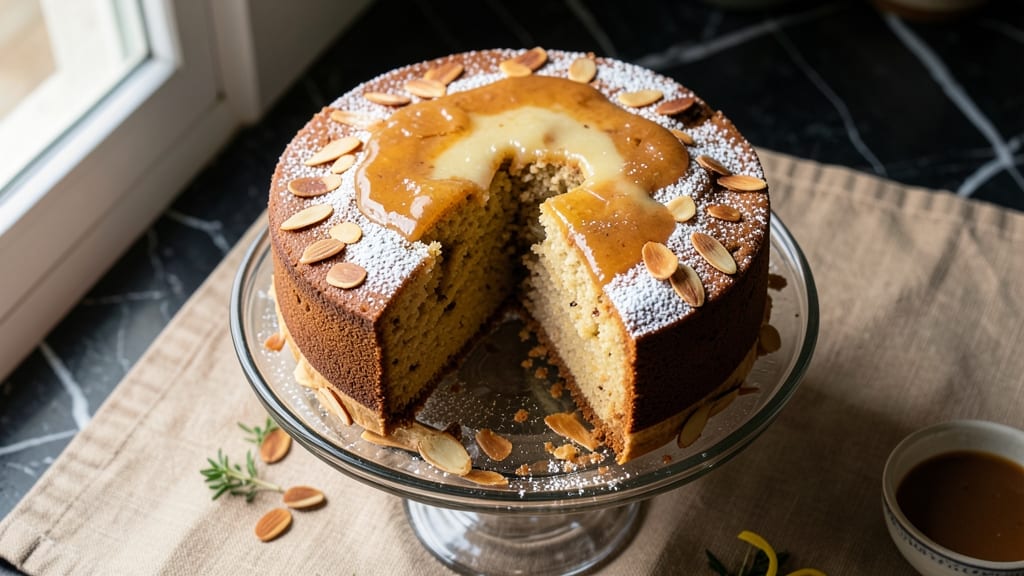
This Amaretto Sour Cake Recipe delivers the perfect balance of nutty liqueur richness and bright citrus tang—no dry crumbs in sight. The secret lies in a simple batter technique that keeps every slice impossibly moist while letting the amaretto and lemon flavors shine through layers of tender crumb. I've perfected this recipe over years of baking, ensuring the cake stays dense and flavorful even after cooling.
The cake's magic comes from a combination of buttermilk for moisture and a splash of amaretto in both the batter and a finishing syrup.
This dual infusion creates a nutty depth that pairs beautifully with the lemon's zesty punch, while a touch of almond extract enhances the amaretto flavor without overpowering. The result? A cake that's rich enough to satisfy dessert cravings but light enough to feel special.
What you'll achieve is a golden, perfectly domed cake with a tender crumb that holds its shape beautifully. The amaretto syrup drizzle adds a glossy finish and extra flavor, while optional garnishes like whipped cream or fresh berries elevate it for gatherings.
Each slice delivers that perfect harmony of nutty, citrusy sweetness that makes this cake a standout.
Whether you're baking for a celebration or treating yourself to a decadent dessert, this recipe delivers restaurant-quality results with minimal fuss. The cake keeps well for up to three days, making it perfect for meal prep or special occasions. Let's get started on creating this showstopper dessert.
Ingredients for amaretto sour cake
These 13 ingredients create a showstopping cake with nutty depth and citrus brightness.
| Ingredient | Amount | Notes |
|---|---|---|
| All-Purpose Flour 🌾 | 2 ½ cups | Sifted for light texture |
| Granulated Sugar 🍚 | 2 cups | Superfine preferred for smoothness |
| Light Brown Sugar 🍚 | ½ cup | Packed for moisture |
| Unsalted Butter 🧈 | 1 ½ cups | Room temperature, full-fat |
| Large Eggs 🥚 | 4 whole | Room temperature for even baking |
| Buttermilk 🥛 | 1 ½ cups | Fresh for tanginess |
| Amaretto Liqueur 🍶 | ½ cup | High-quality, 25% ABV |
| Fresh Lemon Juice 🍋 | ⅓ cup | From 2-3 lemons |
| Almond Extract 🌿 | 1 tsp | Pure, not imitation |
| Baking Powder 🧂 | 2 tsp | Freshly opened |
| Salt 🧂 | ½ tsp | Fine sea salt |
| Vanilla Extract 🌸 | 1 tsp | Pure vanilla bean |
| Powdered Sugar 🍚 | 1 cup | For finishing syrup |
The amaretto is the star here—Disaronno is my go-to, but any good-quality amaretto works. For the butter, Land O'Lakes or Plugrá are reliable, but room temperature is key. Grab fresh lemons at the store—their juice packs more zing than bottled. The almond extract might be hiding in your spice cabinet, but if not, Trader Joe's sells it in small bottles. Pro tip: Measure your flour by spooning it into the cup and leveling—don't scoop directly from the bag or you'll end up with dense cake.
No amaretto? Substitute with 0.25 cup almond syrup (like Torani) plus extra almond extract. Buttermilk substitute? Mix 1.5 cups milk with 1.5 tsp vinegar or lemon juice. For a richer cake, swap half the all-purpose flour for cake flour. The powdered sugar is just for the finishing syrup—if you're feeling fancy, add a splash of amaretto to it too. And if you're out of vanilla extract, a scraped vanilla bean in warm sugar works wonders. The cake's magic is in the moisture balance, so don't skip the buttermilk or brown sugar.
This cake keeps beautifully for 3 days wrapped at room temperature or 1 week in the fridge. For longer storage, freeze slices wrapped tightly in plastic for up to 3 months. The syrup will soak in overnight, so if you're prepping ahead, make it fresh the day you serve. Trust me, the second day is even better—flavors meld perfectly. And if anyone asks, the secret's out: it's all about that amaretto!
Why You'll Love This Recipe
- Same batter, two vibes: serve it plain for a quick breakfast with coffee, or drizzle it for a birthday dessert that’ll impress without the stress. The butter’s richness keeps it moist, so it’s never a flop.
- No Mixer Needed: I swear by this recipe when my stand mixer’s on strike—just cream the butter and sugars by hand while the kids watch. The brown sugar’s sticky but forgiving, and the eggs bind everything together without fuss.
- Almond Buttercream Magic: That amaretto liqueur in the glaze? It turns ordinary buttercream into something ridiculously good—nutty, boozy, and just sweet enough. Honestly, I’ve tried store-bought frosting, and this beats it every time.
- Weeknight or Celebration: Same batter, two vibes: serve it plain for a quick breakfast with coffee, or drizzle it for a birthday dessert that’ll impress without the stress. The butter’s richness keeps it moist, so it’s never a flop.
Step-by-step instructions for amaretto sour cake
Here's how to create a perfectly moist, nutty-amaretto cake with bright citrus notes that'll impress everyone.
Cream Butter and Sugars Together
In a large mixing bowl, combine the 1.5 cups unsalted butter (room temperature) with the 2 cups granulated sugar and 0.5 cup light brown sugar. Using an electric mixer on medium speed, beat for 3-4 minutes until the mixture is light and fluffy, nearly doubling in volume. You'll notice the sugar gradually dissolves into the butter, creating a smooth, pale yellow mixture.
This creaming process incorporates air into the butter, which is crucial for that tender, moist crumb we're after. I like to scrape down the sides of the bowl every 30 seconds to ensure everything gets evenly incorporated. If the mixture feels too thick, let it sit at room temperature for 5 minutes before proceeding—this helps with the next steps.
Add Eggs and Liqueurs for Flavor
Add the 4 whole large eggs one at a time, mixing well after each addition. Then stir in the 0.5 cup amaretto liqueur, 0.33 cup fresh lemon juice, 1 teaspoon almond extract, and 1 teaspoon vanilla extract. Mix on low speed just until combined—around 30-45 seconds. The almond and amaretto flavors will start to infuse immediately, creating that signature nutty aroma.
Here's the thing—don't overmix at this stage. You want the eggs to blend smoothly without developing gluten in the flour we'll add next. The lemon juice adds that bright citrus tang that cuts through the richness of the butter and amaretto. I always use fresh lemon juice for maximum zing, but bottled works in a pinch if you're short on time.
Combine Dry Ingredients Gently
In a separate bowl, whisk together the 2.5 cups all-purpose flour, 2 teaspoons baking powder, and 0.5 teaspoon salt. Sift the flour mixture directly into the wet ingredients, mixing on low speed just until no dry spots remain—about 20-30 seconds. The goal is to combine without overworking the batter, which could make the cake dense.
Now add the 1.5 cups buttermilk in two additions, mixing just until incorporated after each. The buttermilk adds moisture and a subtle tang that balances the sweetness. I've found that adding it gradually prevents the batter from becoming too thin too quickly. The final batter should be smooth and thick, like a well-tempered cake batter—it should hold its shape when you lift the spoon, but still be pourable.
Bake to Golden Perfection
Preheat your oven to 350°F and grease two 9-inch round cake pans (or line with parchment paper). Divide the batter evenly between the pans and smooth the tops. Bake for 30-35 minutes, until a toothpick inserted into the center comes out clean and the edges are golden brown.
I always check for doneness at the 28-minute mark—every oven runs slightly differently. The cake should spring back gently when pressed in the center, not leave an indent. If the tops brown too quickly, tent with foil after 20 minutes to prevent over-browning while the center finishes baking. Let the cakes cool in the pans for 10 minutes, then transfer to a wire rack to cool completely before assembling.
Assemble and Finish with Syrup
Once completely cooled, place one cake layer on a serving plate. Spread a thin layer of the 1 cup powdered sugar mixed with 2 tablespoons amaretto liqueur (this makes a simple syrup) over the layer. Repeat with the second layer, then dust the top with remaining powdered sugar. The syrup adds moisture and intensifies the amaretto flavor throughout the cake.
Slice and serve immediately for the most tender texture, or store covered at room temperature for up to 3 days. The flavors actually improve as the cake sits, with the amaretto and lemon notes deepening. For extra decadence, serve with a dollop of whipped cream or a scoop of vanilla bean ice cream—trust me, it's a game-changer.
Pro Tips For Making Amaretto Sour Cake
- Cream Butter Properly: I learned this the hard way—cold butter in cake batter means lumps, and lumps mean a dense, uneven texture. Beat the butter and sugars together until the mixture is pale and fluffy, about 3-5 minutes with an electric mixer. The butter should look like wet sand, not like it’s still fighting you.
- Sift the Flour: Skipping this step is how you end up with a cake that’s tough as a boot. Sift the all-purpose flour with any dry ingredients (like baking powder or cocoa if you’re adding it) directly into the mixing bowl. This aerates the flour, lightens the batter, and keeps the texture tender—especially important for a cake that relies on that buttery richness.
- Room-Temp Eggs Matter: Cold eggs from the fridge will curdle in your warm batter, leaving you with a lumpy mess. Let the eggs sit in warm water for 5 minutes before cracking them into the mix. This ensures they blend smoothly and help create that silky, moist crumb the amaretto sour deserves.
- Don’t Overmix the Batter: Once you fold in the flour, stop mixing as soon as it’s just combined. Overmixing develops the gluten in the flour, which turns your cake into a dense brick instead of a light, airy treat. Use a spatula to gently fold—think "marble swirls," not "wallpaper paste."
Troubleshooting perfect results
Cake Too Dense
If your cake turns out dense instead of tender, you likely overmixed the batter or didn't cream the butter and sugars properly. The key is to mix the wet ingredients just until combined—no more than 30-45 seconds after adding flour.
Also, ensure your butter is truly room temperature (it should dent when pressed but not be greasy). I've found that using cake flour instead of all-purpose can lighten the texture—swap 1 cup of the all-purpose flour for cake flour if you encounter this issue. 💡
Dry or Cracked Top
A dry or cracked top usually means the cake baked too long or the oven ran hot. Pull it out when a toothpick comes out clean (around 30-35 minutes at 350°F). If the top browns too quickly, tent with foil after 20 minutes to protect it.
For extra moisture, brush the top with 1 tablespoon amaretto mixed with 1 tablespoon water right before baking—this adds a glossy finish and prevents drying. 🌟
Amaretto Flavor Too Weak
The amaretto flavor might be subtle if you didn't use enough or if it was absorbed too quickly. Double-check that you used 0.5 cup amaretto in the batter and 2 tablespoons in the syrup.
For extra depth, add ½ teaspoon almond extract to the syrup or brush the cooled cake layers with 1 tablespoon amaretto before assembling. I also recommend using a high-quality liqueur like Disaronno—cheaper brands can taste harsh. 🍶
Batter Too Thin
A runny batter usually means the buttermilk was added too quickly or the butter wasn't cold enough. To fix this, chill the batter for 15-20 minutes before baking—this helps it set properly. If it's still too thin, add 1-2 tablespoons more flour just until the batter thickens slightly.
For future batches, measure your buttermilk precisely and add it in two additions, mixing gently between each. 🥛
Uneven Rise
An uneven rise often happens if the oven isn't properly calibrated or the batter wasn't divided evenly. Preheat your oven for at least 30 minutes before baking to ensure consistent temperature.
Use a kitchen scale to divide the batter evenly between pans—this precision prevents one cake from rising higher than the other. If your oven has hot spots, rotate the pans halfway through baking. 🔥
Syrup Absorbs Too Fast
If the syrup soaks into the cake too quickly, making it soggy, reduce the liquid slightly. Instead of 2 tablespoons amaretto in the syrup, use just 1 tablespoon and add 1 teaspoon lemon juice for brightness.
Brush the syrup onto the cake layers in thin layers, letting each one absorb before adding the next. For a firmer texture, chill the cake for 30 minutes before serving. 💫
Nutrition facts
Frequently asked questions
Can I make this cake without amaretto liqueur?
Yes, but the flavor will be different. For a similar nutty profile, substitute 0.25 cup almond syrup (like Torani) plus an extra ½ teaspoon almond extract in the batter. If you're avoiding alcohol entirely, use 0.5 cup almond milk and add 1 teaspoon almond extract—just know the citrus notes will be more prominent without the amaretto's depth.
How do I store leftovers for maximum freshness?
Wrap the cake tightly in plastic wrap and store at room temperature for up to 3 days. For longer storage, refrigerate for 1 week or freeze slices for 3 months. The flavors actually improve over time—the amaretto and lemon meld beautifully! Just bring it to room temperature before serving for the best texture.
Can I use this recipe for a single-layer cake?
Adjust the baking time to 25-30 minutes in a 9-inch pan and reduce the batter by half. The recipe's moisture balance works perfectly for single layers too. For a taller cake, use a 6-inch pan and bake for 40-45 minutes. The syrup method remains the same—just adjust quantities proportionally.
Why does my cake sometimes have a dry top?
A dry or cracked top usually means the cake baked too long or the oven was too hot. Check for doneness at 28 minutes—pull it out when a toothpick comes out clean. To prevent drying, brush the top with 1 tablespoon amaretto mixed with 1 tablespoon water right before baking. This creates a glossy finish and keeps the top moist.
What's the best way to serve this cake?
Slice warm for the most tender texture, or serve at room temperature for balanced flavors. Pair with whipped cream, vanilla ice cream, or fresh berries to complement the nutty-amaretto profile. For a restaurant touch, dust with powdered sugar and garnish with a lemon twist. The cake's richness pairs beautifully with coffee too!