
Desserts
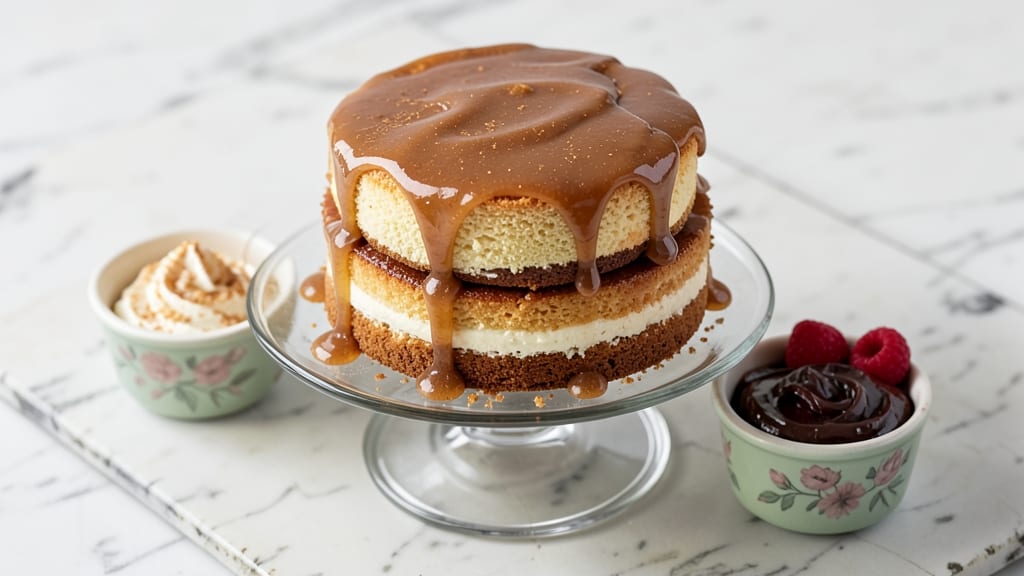
This amaretto glaze recipe transforms ordinary cakes into showstoppers with its rich, nutty shine and smooth finish. The secret lies in simmering amaretto with sugar and butter until it thickens into a glossy, aromatic coating—perfect for drizzling over vanilla or almond cakes.
What sets this glaze apart is its balance of sweetness and depth, where the almond flavor from the liqueur shines through without overpowering.
The process is straightforward: combine equal parts amaretto and sugar, then cook over medium heat until the mixture reaches a soft-ball stage. Straining ensures a silky texture, while cooling at room temperature allows it to thicken just enough for easy application.
This glaze isn’t just about aesthetics—it adds a subtle, sophisticated flavor that pairs beautifully with creamy cheesecakes or spiced pound cakes.
What you’ll achieve is a cake top that glistens under the lights, with a delicate almond aroma that lingers with every bite. The glaze stays fresh in the refrigerator for up to a week, making it ideal for prepping ahead of time.
Whether you’re dressing a birthday cake or elevating a simple dessert, this recipe delivers professional results with minimal effort.
For best results, apply the glaze when it’s slightly warm but not melted, ensuring it sets evenly. Pair it with vanilla or almond-based desserts to amplify its nutty notes, or use it as a finishing touch for cookies and pastries. Here’s how to make it shine.
Ingredients for amaretto cake glaze
Six ingredients transform any cake into a restaurant-worthy centerpiece with nutty elegance.
| Ingredient | Amount | Notes |
|---|---|---|
| Amaretto Liqueur 🍷 | ½ cup | High-quality, 25% ABV preferred |
| Granulated Sugar 🍚 | ½ cup | White or light brown |
| Unsalted Butter 🧈 | 4 tbsp | Cold, cut into small cubes |
| Heavy Cream 🥛 | ¼ cup | Cold, for silky finish |
| Vanilla Extract 🌿 | ½ tsp | Pure, for subtle depth |
| Almond Extract 🌰 | ¼ tsp | Enhances nutty aroma |
| Pinch of Salt 🧂 | ⅛ tsp | Balances sweetness |
The amaretto makes or breaks this glaze—Disaronno is the gold standard, but any quality brand works. Sugar should be fine-grained to dissolve smoothly, and Domino or C&H are reliable choices. Butter matters here: use European-style if you can find it, or Land O'Lakes for a good American option. The heavy cream adds richness without overpowering the almond notes, so don't skip it. For extracts, McCormick or Walmart's Great Value brands are perfectly fine—just ensure they're pure, not imitation.
No amaretto? Substitute with 0.25 cup almond syrup plus 0.25 cup triple sec for a similar flavor profile. Running low on butter? Vegan butter works in a pinch, though texture may differ slightly. Heavy cream unavailable? Half-and-half or coconut cream can stand in, though results will be slightly lighter. For a stronger almond flavor, increase almond extract to 0.5 tsp—just don't exceed that, or it'll taste artificial. The salt is crucial; omit it, and the sweetness will feel unbalanced.
This glaze thickens as it cools, so strain it while warm for a silky finish. Store in an airtight container in the fridge for up to 1 week. For longer storage, freeze in ice cube trays—thaw at room temperature before use. Reheat gently if it thickens too much, adding a splash of warm water to restore consistency. Apply to cakes when slightly warm for even coverage, and let set for 2-3 hours before serving.
Why You'll Love This Recipe
- Three-Ingredient Whip: I swear, this glaze comes together with just butter, sugar, and a splash of amaretto—no fancy techniques. Simmer it down, strain out the grit, and you’ve got a silky finish ready in under 10 minutes. (Yes, even if you burn toast in the morning.)
- Almond-Kissed Magic: That amaretto isn’t just flavor—it’s the star. The nutty, caramel-like depth from the liqueur turns ordinary cake into something ridiculously good, like a warm hug for your taste buds. Plus, the vanilla ties it all together without overpowering.
- Party in a Jar: This glaze keeps beautifully in the fridge for a week, so I drizzle it on cupcakes for birthdays, swirl it into cheesecake layers for date night, or even toss it with fruit for a fancy dessert board. Minimal effort, maximum wow factor.
- Budget Luxury: Amaretto’s affordable, and you only need a splash—no need to break the bank for fancy liqueurs. The butter and sugar are pantry staples, so this glaze costs pennies but tastes like you spent hours perfecting it. (My wallet thanks me.)
Step-by-step instructions for amaretto glaze
This glaze delivers a perfect balance of nutty depth and glossy shine for your cake tops.
Melt Butter and Sugar Together
In a medium saucepan, combine the 4 tablespoons unsalted butter and 0.5 cup granulated sugar. Place over medium-low heat and stir constantly until the butter melts completely and the mixture becomes smooth. You'll notice small bubbles forming around the edges—this indicates the sugar has fully dissolved.
Watch carefully to avoid burning. The mixture should reach 160°F on a candy thermometer, which takes about 5-7 minutes. If you don't have a thermometer, look for a light golden color—it should be just starting to caramelize slightly but not darken. Remove from heat immediately once melted, as the temperature will continue to rise slightly from residual heat.
Incorporate the Liquor and Extracts
Carefully pour in the 0.5 cup amaretto liqueur while stirring continuously. The mixture will bubble vigorously—this is normal as the alcohol begins to evaporate. Add the 0.5 teaspoon vanilla extract and 0.25 teaspoon almond extract next, mixing well to distribute the flavors evenly.
Return the pan to low heat and simmer gently for 3-4 minutes, stirring occasionally. You're looking to reduce the mixture slightly and deepen the amaretto flavor. The glaze should thicken just enough to coat the back of a spoon but remain pourable. If it reduces too quickly, remove from heat sooner—you can always thin it later with a splash of heavy cream if needed.
Add Cream and Salt for Silky Finish
Remove the pan from heat and let it cool for 2 minutes. Then, whisk in the 0.25 cup cold heavy cream and 0.125 teaspoon pinch of salt until completely smooth. The cream will help create a silky, glossy texture while the salt balances the sweetness and enhances the nutty flavors.
Strain the glaze through a fine-mesh sieve into a clean bowl to remove any lumps. Let it cool to room temperature—this allows the flavors to meld and the consistency to adjust. The glaze should be thick enough to hold its shape when drizzled but still flow smoothly. If it thickens too much while cooling, whisk in 1 teaspoon hot water to achieve the perfect pouring consistency.
Apply to Cake Tops
Once the glaze has cooled to room temperature, it's ready to use. Pour it over the cooled cake layers, allowing it to drip naturally down the sides for that professional bakery look. For an even coverage, use a spoon to spread any excess glaze back onto the top surface.
Let the glaze set for 30 minutes at room temperature before serving. This allows it to fully harden and develop its signature glossy finish. The amaretto flavor will infuse beautifully into the cake, creating a rich, nutty aroma that complements the sweetness perfectly. Serve immediately for the best texture and flavor experience.
Pro Tips For Making Amaretto Cake Glaze
- Simmer the butter low and slow: I used to rush this step and end up with a glaze that’s greasy instead of glossy. Melt the butter over medium-low heat until it’s just liquid—no browning—and then let it cool slightly before adding the sugar. The butter’s moisture needs time to settle, or you’ll end up with a grainy mess.
- Use cold heavy cream: Straight from the fridge, please. Cold cream incorporates smoother into the warm butter-sugar mix, preventing lumps that turn into awkward texture spots. If you’re impatient and use room-temp cream, whisk it like crazy—your glaze will thank you.
- Measure amaretto by the drop: Recipes often say “1 tablespoon,” but that’s a wild guess if your bottle’s not calibrated. Start with ½ tablespoon, taste the glaze, then add more in tiny increments. Too much amaretto makes the glaze taste like liquor, not dessert.
- Strain out the butterfat: After simmering, let the butter sit for 2 minutes off the heat—it’ll separate slightly. Pour the glaze through a fine-mesh sieve into the cream mixture. This skips the grittiness from tiny butter solids, giving you a silky finish. (Yes, it’s extra work, but your glaze will look restaurant-worthy.)
Storing and reheating your amaretto cake glaze
Refrigerator Storage
Store your amaretto glaze in an airtight container in the refrigerator for up to 1 week. The cold helps preserve its glossy texture and nutty aroma. I like using glass jars with snap-on lids—they’re easy to seal and let me see the glaze’s rich color. Just
Freezer Preservation
For longer storage, freeze the glaze in ice cube trays or small airtight containers. Portion it into 1-tablespoon servings for easy use later. When ready to use, thaw in the fridge overnight or at room temperature for 30-45 minutes. If it thickens too much after thawing, whisk in ½ teaspoon warm water to loosen it up. This method keeps the glaze fresh for up to 3 months without losing flavor.
Reheating for Application
If your glaze thickens after refrigeration, gently reheat it in 10-second bursts in the microwave or over low heat on the stovetop. Stir between bursts to ensure even warming. You only need to restore it to a pourable consistency—not fully melted.
For a silky finish, strain it again through a fine-mesh sieve before drizzling. This step ensures a smooth, professional look every time. 🔥
Cake Prep Timing
Apply the glaze to your cake 2-3 hours before serving to allow it to fully set. This gives the flavors time to meld and the surface to develop that signature shine. If you’re prepping ahead, store the cake layers separately in the fridge, then glaze and assemble just before serving.
The glaze will keep the cake moist while adding that elegant touch. Pro tip: Let the cake cool completely before glazing to prevent melting. ✨
Reusing Leftover Glaze
Leftover glaze makes a fantastic dipping sauce for cookies or a drizzle for pancakes. Thin it slightly with 1 teaspoon warm water if needed, then drizzle over warm pastries or use as a glaze for donuts.
The amaretto flavor pairs beautifully with vanilla ice cream or almond-based desserts. Just be sure to store any unused portions back in the fridge promptly to maintain freshness.
Nutrition facts
Frequently asked questions
Can I make this glaze without amaretto?
Yes! Substitute with 0.25 cup almond syrup plus 0.25 cup triple sec for a similar nutty flavor. For a stronger almond taste, increase almond extract to 0.5 tsp, but don't exceed it to avoid an artificial aftertaste. The glaze will still be delicious, just with a slightly different profile.
How do I fix a glaze that's too thick or too thin?
If your glaze thickens too much while cooling, whisk in 1 teaspoon hot water to restore pourability. For a glaze that's too thin, simmer it for an extra 1-2 minutes to reduce the liquid. Always strain it afterward for a silky finish—this removes lumps and ensures smooth application.
What's the best cake to pair with this glaze?
This glaze shines on vanilla or almond cakes—the nutty flavors complement perfectly. It also works beautifully on cheesecakes, pound cakes, or even brownies. For contrast, try pairing it with citrus-infused desserts like lemon or orange cakes to balance the richness.
Can I make this glaze ahead of time?
Store it in an airtight container in the fridge for up to 1 week or freeze in ice cube trays for 3 months. Thaw overnight in the fridge before use. For best results, glaze your cake 2-3 hours before serving to let the flavors meld and the shine develop fully.
Why did my glaze turn grainy?
Graininess usually means sugar didn't dissolve fully or butter wasn't melted enough. Next time, melt butter and sugar over medium-low heat until smooth (around 160°F1 tsp warm water to dissolve any sugar crystals.