
Desserts
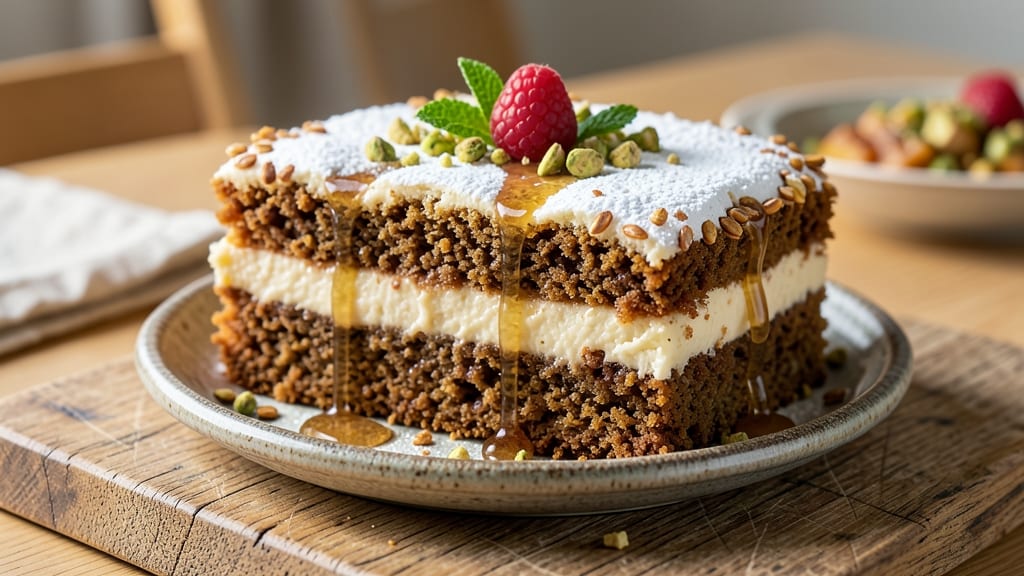
This amaranth cake recipe delivers a surprisingly rich, nutty dessert that's naturally vegan and packed with earthy depth. The secret lies in amaranth grain's ability to create a tender crumb with subtle sweetness—no refined flour or dairy needed. I developed this recipe after years of experimenting with ancient grains in baking, and it's become a staple for gatherings where dietary restrictions shouldn't limit indulgence.
The cake's magic comes from a combination of whole grain flour and toasted amaranth, which adds both texture and nutty flavor without overpowering. Using applesauce as a fat substitute ensures the crumb stays moist and tender, while a touch of cinnamon and vanilla enhances the cake's natural sweetness.
The result is a dessert that's hearty enough to satisfy cravings but light enough to enjoy without guilt.
What sets this recipe apart is its versatility—bake it as a simple sheet cake, layer it with dairy-free frosting, or top with fresh fruit for added brightness. The nutty flavor pairs beautifully with coffee or tea, making it perfect for afternoon treats or dessert after dinner.
With just 30 minutes of prep and 45 minutes in the oven, you'll have a showstopping dessert that's as impressive as it is delicious.
For those with gluten sensitivities, simply swap the all-purpose flour for a 1:1 gluten-free blend. The cake's naturally dense texture makes it forgiving for substitutions, so don't hesitate to experiment with add-ins like chocolate chips or chopped nuts. Let's get baking!
Ingredients for amaranth cake
Toasted amaranth, coconut oil, and applesauce create this rich, nutty vegan cake with surprising depth.
| Ingredient | Amount | Notes |
|---|---|---|
| Amaranth Grain 🌾 | 1 cup | Toasted lightly for nutty flavor |
| All-Purpose Flour 🌾 | 1 ½ cups | Gluten-free blend if needed |
| Unsweetened Applesauce 🍎 | ¾ cup | Unsweetened for natural sweetness |
| Brown Sugar 🍚 | ¾ cup | Packed for accurate measurement |
| Coconut Oil 🥥 | ½ cup | Melted, full-fat preferred |
| Vanilla Extract 🌸 | 1 tbsp | Pure vanilla extract |
| Ground Cinnamon 🌿 | 1 ½ tsp | Freshly ground preferred |
| Baking Soda 🧂 | 1 tsp | Pure baking soda |
| Salt 🧂 | ½ tsp | Fine sea salt preferred |
| Non-Dairy Milk 🥛 | ½ cup | Almond or soy preferred |
| Fresh Lemon Juice 🍋 | 2 tbsp | Freshly squeezed |
| Pure Maple Syrup 🍁 | 2 tbsp | Grade B for depth |
| Chopped Walnuts 🌰 | ½ cup | Toasted for extra crunch |
Amaranth is the star here—Bob's Red Mill or Navitas Organics brands are my go-to for consistent quality. Toast it in a dry pan for 3-4 minutes until fragrant (that nutty aroma is everything). The flour is flexible—King Arthur gluten-free blend works perfectly if needed. For the coconut oil, Trader Joe's has the best-priced organic version, but any full-fat brand melts beautifully. Freshly ground cinnamon makes a difference, so skip the pre-ground stuff if you've got whole sticks.
No applesauce? Mashed banana or pumpkin puree works in a pinch (adjust liquid ratios). Coconut oil too expensive? Avocado oil or melted vegan butter keeps the cake moist. Want extra richness? Add 1 tbsp tahini to the batter. The walnuts can be swapped for pecans or almonds—just toast them first. For a sweeter cake, boost the maple syrup to 3 tbsp. And if you're gluten-free, make sure your flour blend includes xanthan gum for structure.
This batter keeps for 3 days in the fridge—perfect for making ahead. Once baked, store in an airtight container for 5 days or freeze slices for 3 months. The cake reheats beautifully in a 250°F oven for 10 minutes—great for serving warm with coffee. I always bake two pans at once (one for me, one for guests) because it disappears fast.
Why You'll Love This Recipe
- No-Fuss Mixing: I swear by this recipe because it’s literally three bowls and a whisk. No sifting, no creaming butter, just fold the applesauce into the dry stuff until it’s just combined—no overworking, no stress. The amaranth grain stays whole, so you get those little crunchy surprises in every bite without the fuss of grinding it yourself.
- Sweet Crunch Magic: That coconut oil gives it a buttery richness without dairy, and the brown sugar caramelizes just enough to make it taste like a bakery treat. Honestly? The applesauce keeps it moist, but the amaranth adds this nutty, toasty crunch that makes it feel fancy—even though it’s basically a cake you can make while scrolling.
- Lunchbox Hero: Between us, this cake is ridiculously good cold. I slice it up the night before, wrap it in parchment, and toss it in a bag—perfect for school lunches, office snacks, or when you’re too tired to bake but still want something satisfying. (Yes, even on a Tuesday night.)
- Budget-Friendly Stretch: Amaranth might sound fancy, but a bag lasts forever, and this recipe uses half a cup—so it’s basically free. The applesauce replaces eggs and oil, and brown sugar is cheaper than white. I’ve made this for birthdays, potlucks, and just because I wanted cake, and it never disappoints. Plus, leftovers? They’re always gone by day three.
Step-by-step instructions for amaranth cake
Here's how to craft a perfectly moist, nutty amaranth cake with layers of earthy depth.
Toast the Amaranth Grain for Nutty Complexity
Preheat your oven to 350°F and spread the 1 cup amaranth grain evenly on a rimmed baking sheet. Toast for 8-10 minutes, stirring every 2-3 minutes, until the grains turn a rich golden brown and release a toasty aroma. This step is crucial—it deepens the nutty flavor and prevents a raw, bitter taste in your cake.
Watch closely after 6 minutes—amaranth burns quickly. When the grains are properly toasted, they should look like tiny popcorn kernels with visible color changes. Let them cool completely before using, as warm amaranth releases moisture that can make your batter too wet.
Mix Wet Ingredients for Perfect Moisture Balance
In a medium bowl, whisk together the 0.75 cup unsweetened applesauce, 0.5 cup melted coconut oil, 0.75 cup packed brown sugar, 0.5 cup non-dairy milk, 2 tbsp fresh lemon juice, 2 tbsp pure maple syrup, and 1 tbsp vanilla extract until smooth. The applesauce replaces eggs while keeping the cake tender, while the lemon juice brightens the earthy amaranth flavor.
This mixture should be thick but pourable—like heavy cream. If it looks too thin, let it sit for 5 minutes to thicken slightly. The coconut oil should be fully melted (no lumps) to ensure even distribution in the batter. Taste the mixture now—it should have a pleasant sweet-tart balance that will carry through to your finished cake.
Combine Dry Ingredients for Light Texture
In a separate large bowl, sift together the 1.5 cups all-purpose flour, 1.5 tsp ground cinnamon, 1 tsp baking soda, and 0.5 tsp salt. Whisk gently to aerate the flour—this creates pockets for the leavening agents to work their magic. The cinnamon adds warmth while the baking soda ensures a light rise.
Gradually pour the wet ingredients into the dry ingredients while mixing on low speed with an electric mixer. Mix just until combined—about 30 seconds—being careful not to overmix. Overmixing develops gluten, which can make your cake tough. The batter should be thick but smooth, like cookie dough.
Fold in Toasted Amaranth and Walnuts
Using a spatula, gently fold in the cooled toasted amaranth and 0.5 cup chopped walnuts. The amaranth should be evenly distributed throughout the batter, and the walnuts will add both texture and a satisfying crunch. Be careful not to overmix—just combine until no dry spots remain. The walnuts should be evenly dispersed, not clumped together.
This is where the magic happens—the amaranth absorbs just enough moisture to become part of the cake's structure while maintaining its nutty character. The walnuts will create delightful pockets of texture in each bite. Let the batter rest for 10 minutes at room temperature before baking to allow the flour to fully hydrate and the amaranth to plump slightly.
Bake for Maximum Moisture Retention
Preheat your oven to 350°F and grease an 8-inch round cake pan or line it with parchment paper. Pour the batter into the prepared pan and smooth the top with a spatula. Bake for 35-40 minutes, or until a toothpick inserted in the center comes out clean with just a few moist crumbs clinging to it.
Don't overbake—this cake is delicate. The edges should be golden brown while the center remains slightly springy to the touch. For even baking, rotate the pan halfway through the baking time. Let the cake cool in the pan for 10 minutes before transferring to a wire rack to cool completely. This gradual cooling prevents cracking and helps maintain moisture.
Pro Tips For Making Amaranth Cake
- Toast the Amaranth First: Don’t skip toasting the amaranth—spread it on a dry skillet over medium heat for 5-7 minutes until it smells nutty and turns golden. I learned this the hard way: raw amaranth tastes bitter and dense, but toasted? It adds depth and prevents a gummy texture in your cake.
- Mix Applesauce Last: Add the unsweetened applesauce right before folding in the dry ingredients—this keeps the cake tender without making it soggy. I used to mix it early, and the texture always turned out too moist. Stir it in just until combined.
- Avoid Overmixing the Batter: Once you add the flour, stop mixing after 10-12 strokes—overworking it makes the cake tough. Amaranth flour is dense, so gentle handling keeps the crumb light. I know, it’s tempting to get it smooth, but resist.
- Use Melted Coconut Oil: Melt the coconut oil first and let it cool slightly before mixing—this prevents the batter from getting too warm and activating the gluten in the flour prematurely. I was skeptical until I tried it; the cake stays moist longer and doesn’t dry out as fast.
Troubleshooting great amaranth cake
Dense Batter Issues
If your batter looks too thick to spread, it's likely because the amaranth absorbed too much moisture or the coconut oil didn't melt completely. First, ensure your coconut oil is fully melted—no lumps should remain.
If the batter is still too dense, whisk in 1-2 tablespoons of non-dairy milk until it reaches a thick but pourable consistency. I've found that Trader Joe's almond milk works best for this adjustment. Overmixing can also make the batter thick, so mix just until combined. 💡
Cake Sticks Too Dry
Dryness usually means the cake baked too long or the oven ran too hot. To prevent this, always use an oven thermometer—many home ovens run 25-50°F hotter than set.
Bake at 350°F and remove the cake when a toothpick comes out with just a few moist crumbs (not completely clean). For extra moisture, brush the warm cake with 2 tablespoons of maple syrup while still in the pan.
Store leftovers in an airtight container with a slice of bread to keep them moist longer. ❄️
Uneven Rising
Uneven rising often happens when the batter isn't mixed thoroughly or the oven isn't preheated properly. Always sift your dry ingredients to aerate the flour, and preheat your oven for at least 15 minutes before baking.
For even more insurance, place a baking sheet on the lower rack while the cake bakes—this helps distribute heat evenly. If your cake rises on one side, rotate the pan halfway through baking (after 20 minutes). 🔥
Raw Center Problem
A raw center means the cake didn't bake long enough, often due to overcrowding in the oven. Never bake more than one cake pan at a time in a standard oven—this can lower the temperature and prevent proper cooking.
If your cake has a raw center, tent it with aluminum foil and return it to the oven for 5-10 minutes at 325°F. For future bakes, check the center temperature with an instant-read thermometer—it should reach 205-210°F for perfect doneness. 🌡️
Cracked Top Surface
Cracked tops usually occur from rapid cooling or overmixing the batter. Let your cake cool in the pan for 10-15 minutes before transferring to a wire rack—this gradual cooling prevents sudden temperature shifts.
Also, avoid opening the oven door during the first 25 minutes of baking, as this can cause the cake to sink or crack. If cracks appear, they're usually harmless—just cover them with a dairy-free frosting or dust with powdered sugar for a polished look. ✨
Flat Cake Texture
A flat cake often results from old baking soda or under-mixed batter. Replace your baking soda with fresh (it loses potency after 6 months). Also, ensure you're gently folding in the wet and dry ingredients—don't overmix.
For extra lift, try adding ½ teaspoon of apple cider vinegar to the wet ingredients (it reacts with baking soda for better rise). If all else fails, bake the cake at 325°F instead of 350°F—the slower heat helps the leavening work more effectively. 💪
Nutrition facts
Frequently asked questions
Can I make this amaranth cake gluten-free?
Simply replace the all-purpose flour with a 1:1 gluten-free baking blend that includes xanthan gum. Brands like King Arthur or Bob's Red Mill work perfectly. The amaranth's natural density helps mask any texture differences, so your cake will still turn out moist and delicious.
Why does my amaranth cake taste bitter?
Bitter flavor usually means the amaranth wasn't toasted properly or was overcooked. Always toast the grains in a dry pan for 3-4 minutes until fragrant and golden—this removes raw, grassy notes. If you skipped toasting, try baking the cake at 325°F instead of 350°F to prevent overdevelopment of flavors.
What's the best way to store leftover amaranth cake?
Keep your cake fresh by storing it in an airtight container at room temperature for up to 5 days. For longer storage, slice and freeze portions for 3 months. To reheat, warm slices in a 250°F oven for 10 minutes—this restores moisture and enhances the nutty flavors.
Can I substitute the applesauce with something else?
Yes! For a slightly different texture, try mashed banana or pumpkin puree (use the same amount). If you need a neutral substitute, unsweetened applesauce from a jar works in a pinch, though fresh has better flavor. Avoid oil-only substitutions—they won't provide the same moisture balance.
How can I make this cake sweeter without adding sugar?
Boost natural sweetness by increasing the maple syrup to 3 tablespoons or adding 2 tablespoons of date syrup to the wet ingredients. For a fruity twist, fold in ½ cup mashed berries or zest from 1 lemon. The cake's nutty base pairs beautifully with these enhancements without needing refined sugar.