
Desserts
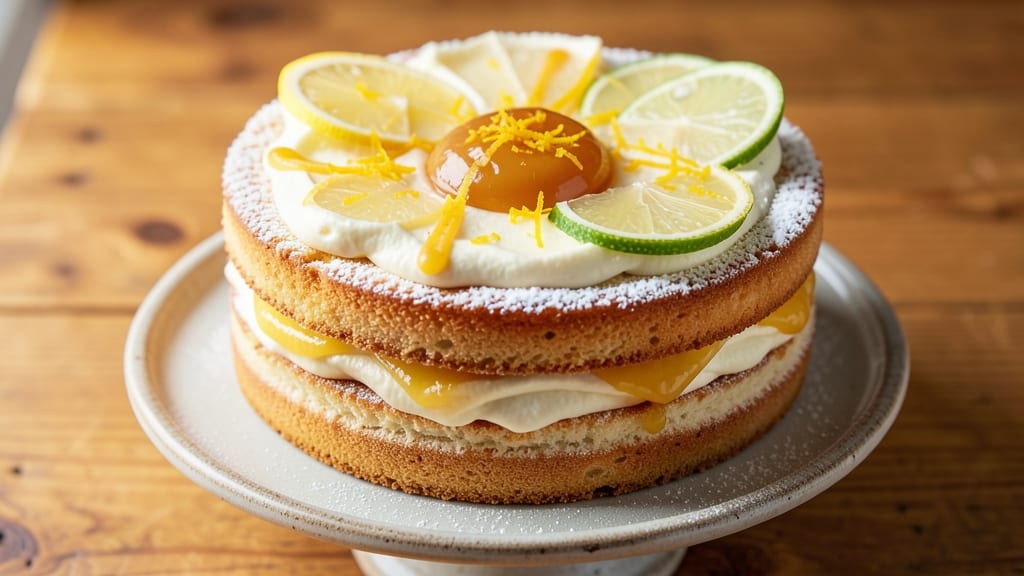
This Amalfi lemon cake brings Jamie Oliver’s signature brightness to your kitchen with layers of zesty Italian charm. 💛 The secret lies in its tender crumb, infused with lemon zest and juice, creating a citrusy aroma that fills your home long before the first slice.
This recipe captures the essence of the Amalfi Coast—sunshine, sea breeze, and that perfect balance of sweet and tart.
What sets this cake apart is Jamie’s foolproof technique for achieving a moist yet lightly crisp texture, thanks to a simple yet effective layering method. The lemon curd filling adds a velvety contrast that makes every bite unforgettable, while the buttery shortbread base ensures it holds together beautifully.
No special equipment is needed—just patience and a few key ingredients.
By the time you pull this cake from the oven, you’ll have a golden, fragrant masterpiece that’s perfect for brunch, afternoon tea, or a special dessert. The lemon flavor shines through without overpowering, making it a crowd-pleaser that even non-lemon lovers will adore.
The best part? It’s easier to make than you think, with a 30-minute prep and just one hour in the oven.
Serve it warm with a dusting of powdered sugar and a dollop of whipped cream, or let it cool slightly for clean, elegant slices. Whether you’re celebrating a weekend gathering or simply craving a taste of Italy, this cake delivers restaurant-quality results with minimal effort. Let’s get baking!
Ingredients for amalfi lemon cake recipe jamie oliver
Sunshine in a box: these bright, zesty ingredients create Jamie Oliver's iconic Italian lemon cake.
| Ingredient | Amount | Notes |
|---|---|---|
| All-Purpose Flour 🌾 | 2 ½ cups | Sifted for light texture |
| Granulated Sugar 🍚 | 1 ½ cups | White or light brown |
| Unsalted Butter 🧈 | 1 cup | Cold, cubed for best results |
| Large Eggs 🥚 | 3 whole | Room temperature |
| Fresh Lemon Zest 🍋 | ½ cup | From 4-5 lemons |
| Fresh Lemon Juice 🍋 | ¾ cup | From 4-5 lemons |
| Baking Powder 🧂 | 2 tsp | Aluminum-free preferred |
| Salt 🧂 | ½ tsp | Fine sea salt |
| Powdered Sugar 🍚 | 1 cup | For dusting and filling |
| Heavy Whipping Cream 🥛 | 1 ½ cups | Cold for whipping |
| Vanilla Extract 🌸 | 1 tsp | Pure vanilla preferred |
| Lemon Curd Filling 🍋 | 1 ½ cups | Homemade or store-bought |
The lemons are everything here—pick ones with bright yellow skins and no blemishes. Whole Foods or local markets usually have the juiciest ones. For zest, use a microplane (the box graters leave too much pith). If you can't find fresh lemons, lemon extract works in a pinch, but it won't have the same depth of flavor. The butter should be cold—press a cube between your fingers to test. If it leaves a dent, it's ready. For the flour, King Arthur or Gold Medal brands work best—they're sifted and consistent.
No fresh lemons? Lemon extract plus extra sugar (about 1 tbsp more) can substitute, but you'll lose that authentic Italian brightness. For the lemon curd filling, homemade is ideal—just egg yolks, sugar, lemon juice, and butter—but store-bought works too. Short on heavy cream? Whipped coconut cream gives a similar texture. The vanilla extract matters—imitation vanilla has a chemical aftertaste. If you're using it for the filling too, split the teaspoon between both. For the powdered sugar, Confectioners' sugar is best—it dissolves smoothly.
Store the cake in an airtight container at room temperature for up to 3 days, or freeze for up to 3 months. The lemon zest loses potency after 24 hours, so zest right before baking. Whipped cream should be made fresh—it deflates fast. For serving, dust with powdered sugar just before cutting. The cake reheats beautifully—wrap a slice in foil and warm for 20 seconds in the microwave for that freshly baked taste.
Why You'll Love This Recipe
- No Fussy Steps: I swear, this cake requires zero measuring guesswork—just creaming butter and sugar until it’s light, folding in lemon zest like you’re tucking in a secret. The eggs come in last, and boom: done. Even my "I can’t bake" friend nailed it.
- Zesty Magic: That bright lemon zest? It’s not just flavor—it’s the whole vibe. The buttercream on top is rich but never heavy, and the crumb? So tender it melts in your mouth. Honestly, I’ve made lemon cakes before, but this one actually tastes like sunshine.
- Weekend or Weeknight: Slice it for brunch when guests drop by, or pack it in lunchboxes for the kids (they’ll fight over it). The layers stay moist for days, so it’s my go-to for impromptu celebrations—or just because I’m craving something sweet without the effort.
- Pantry Staples Only: No specialty ingredients here—just flour, sugar, butter, eggs, and lemons. I’ve made this on a budget, and it’s still the most impressive dessert around. Plus, leftovers? They disappear faster than I can say "second slice."
Step-by-step instructions for Amalfi lemon cake
Bright citrus layers and buttery tenderness—this Jamie Oliver-inspired cake is pure Italian sunshine in every bite.
👨🍳 Step 1: Whisk Dry Ingredients for Lightness
In a medium bowl, sift together the 2.5 cups all-purpose flour, 2 tsp baking powder, and 0.5 tsp salt. I like to give it a quick whisk to break up any lumps—this ensures your cake will be light and airy, not dense. Set this mixture aside while you prep the wet ingredients.
Here's the thing—sifting aerates the flour and distributes the baking powder evenly. If you skip this, you might end up with uneven rising or a slightly cakey texture. Keep this bowl handy; you'll add it to the wet ingredients in the next step.
🍳 Step 2: Cream Butter and Sugar for Maximum Fluff
In a stand mixer fitted with the paddle attachment, beat the 1 cup cold, cubed unsalted butter and 1.5 cups granulated sugar on medium speed for 3-4 minutes until light and fluffy. You're looking for a pale, almost ribbony texture—the mixture should nearly triple in volume.
Cold butter is key here—it creates tiny air pockets that give the cake its signature tenderness. If your butter starts to melt too quickly, chill the bowl for 5 minutes before continuing. The goal is to incorporate air, not melt the butter completely.
🍳 Step 3: Add Eggs and Lemon for Zesty Depth
Add the 3 room-temperature eggs, one at a time, mixing on low speed after each addition until fully incorporated. Then stir in the 0.5 cup fresh lemon zest and 0.75 cup fresh lemon juice, along with the 1 tsp vanilla extract. The mixture will look curdled at first, but don't worry—it'll smooth out when you add the dry ingredients.
This is where the magic happens—the lemon zest and juice infuse the batter with that signature Amalfi brightness. I like to press the zest through a fine-mesh strainer to remove any tough bits, ensuring a silky-smooth texture. The vanilla extract rounds out the citrus notes beautifully.
🥘 Step 4: Combine and Divide the Batter
Gradually add the dry ingredient mixture to the wet ingredients, mixing on low speed just until combined—you should still see some flour streaks. Overmixing develops gluten, which can make the cake tough. Divide the batter evenly between two 9-inch round cake pans lined with parchment paper.
Here's a pro tip: Tap the pans gently on the counter to release any air bubbles that might have formed. This prevents domed cakes and ensures even baking. The batter should be smooth and vibrant yellow—if it looks too thick, let it rest for 10 minutes before baking.
🔥 Step 5: Bake Until Golden and Springy
Preheat your oven to 350°F. Bake the cakes for 25-30 minutes, or until a toothpick inserted into the center comes out clean and the tops are golden brown. Rotate the pans halfway through baking for even browning—this is especially important if your oven has hot spots.
Don't overbake! The cakes will continue cooking as they cool. Once they're done, let them cool in the pans for 10 minutes, then transfer to a wire rack to cool completely. This resting period is crucial—it allows the cakes to set properly before assembling.
🥘 Step 6: Assemble with Lemon Curd and Cream
Once the cakes are completely cool, level the tops if necessary. Spread 1.5 cups lemon curd filling evenly between the layers. Then, in a chilled bowl, whip the 1.5 cups cold heavy whipping cream with 1 cup powdered sugar until soft peaks form. Spread this over the lemon curd layer.
Here's the moment that matters: dust the top and sides with a thin layer of powdered sugar for that classic Italian finish. Chill the assembled cake for at least 2 hours (or overnight) before serving. This ensures clean slices and lets the flavors meld beautifully.
Pro Tips For Making Amalfi Lemon Cake Recipe Jamie Oliver
- Stop Overmixing the Batter: I learned this the hard way—when you fold in the flour and butter mixture, use a spatula and just combine until no dry bits remain. Overmixing develops gluten, and that’s the last thing you want in a tender lemon cake. The goal is a smooth, barely-there crumb, not pancake batter.
- Zest Only the Outer Peel: Skip the bitter white pith when grating the lemon zest—it’s the thing that turns your bright, citrusy cake into a soapy mess. Use a fine grater and scrape only the bright yellow layer, then sift it to catch any stray bits. (Yes, even if you’re impatient like me.)
- Bake Until the Center Springs: That cake might look golden and set at 30 minutes, but resist the urge to pull it out early. Press the center lightly—it should spring back slowly, not bounce like a trampoline. If it’s still jiggly, give it another 5-10 minutes. Underbaking is the fastest way to a gummy, sad lemon cake.
- Use Room-Temp Butter and Eggs: Cold butter and straight-from-the-fridge eggs are the enemy of a properly risen Amalfi cake. Let both sit out for at least 1 hour before creaming—this ensures the butter emulsifies smoothly and the eggs incorporate evenly. I skip this when I’m lazy, but the difference in texture is noticeable.
Creative variations of this dish
Italian Lemon Twist
Swap the vanilla extract for 1 tsp orange blossom water to capture the true essence of Amalfi’s coastal aroma. This Middle Eastern-inspired twist adds a floral depth that pairs beautifully with the lemon. Use 1 tbsp orange zest instead of lemon for a sweeter, more complex flavor profile.
For an extra touch, add ½ tsp cardamom to the dry ingredients—it’s a common pairing in Italian desserts that enhances the citrus notes without overpowering them.
White Chocolate Swirl
Melt ½ cup white chocolate chips with 1 tbsp heavy cream until smooth, then swirl into the batter before dividing it between pans. The white chocolate adds a creamy contrast that balances the tartness of the lemon.
For a more decadent version, fold in ½ cup white chocolate chunks into the lemon curd filling. This variation is perfect for those who love a touch of sweetness with their citrus.
Almond-Infused Base
Replace ½ cup of the all-purpose flour with ½ cup almond flour for a nutty depth that complements the lemon beautifully. Toast the almond flour in a dry pan for 2 minutes before mixing to enhance its flavor.
For an extra crunch, sprinkle ¼ cup sliced almonds on top of the cake before baking. This variation adds a delightful texture contrast and pairs wonderfully with the moist, citrusy layers.
Espresso Lemon
Add 1 tbsp instant espresso powder to the dry ingredients for a subtle coffee note that cuts through the sweetness. This variation is inspired by Italian espresso culture and adds a sophisticated depth to the cake.
For an even bolder flavor, reduce the sugar by 1 tbsp to balance the intensity. The espresso enhances the lemon’s brightness while adding a hint of earthiness that’s perfect for afternoon tea.
Seasonal Berry Layers
Replace the lemon curd with a strawberry or raspberry compote for a seasonal twist. Simmer 1 cup mixed berries with 2 tbsp sugar and 1 tsp lemon juice until thickened, then cool before spreading between the cake layers.
Top with fresh berries for a vibrant presentation. This variation is ideal for summer gatherings and adds a fruity contrast to the classic lemon flavor.
Ginger-Spiced Lemon
Add 1 tsp ground ginger to the dry ingredients for a warm, spicy kick that complements the lemon beautifully. This variation is inspired by Italian-Sicilian desserts and adds a cozy, aromatic depth.
For an extra zing, fold 1 tbsp candied ginger into the lemon curd filling. The ginger’s warmth enhances the lemon’s tang, making this cake perfect for fall or winter desserts.
Nutrition facts
Frequently asked questions
Can I make this cake in a single layer instead of two?
For a single-layer version, use a 9x13-inch pan and bake for 35-40 minutes at 350°F. Reduce the batter by 1/3 (about 1.75 cups) to avoid overflow. The lemon curd and cream topping will still work perfectly—just spread it evenly over the top. This works well for smaller gatherings or when you prefer a taller slice.
How do I prevent my cake from cracking?
Cracking usually happens when the cake cools too quickly or the oven temperature fluctuates. To avoid this:
- Don't open the oven door during the first 20 minutes of baking,
- Let the cake cool in the pan for 15 minutes before transferring to a wire rack, and
- Avoid placing it near drafts or fans while cooling. If cracks appear, they're purely cosmetic—just cover with extra lemon curd or whipped cream!
Can I substitute butter with oil for a lighter texture?
While possible, I don't recommend it for this recipe. The butter creates that signature Italian richness and helps create the tender crumb. If you must substitute, use an equal amount of melted butter (not oil) and chill the batter for 30 minutes before baking. The texture will be slightly denser, but still delicious. For true authenticity, stick with the butter—it's worth the effort!
How long can I keep the lemon curd filling?
Homemade lemon curd keeps well in an airtight container in the fridge for up to 5 days. For longer storage, freeze it for up to 3 months. Thaw overnight in the fridge before using. Store-bought curd typically has a shorter shelf life—check the package for specific dates. Fresh curd gives the best flavor, but even slightly aged curd works beautifully in this cake.
Why is my cake dry instead of moist?
Dry cake usually results from overbaking, using too much flour, or not enough fat. Check these fixes:
- Bake until a toothpick comes out with a few moist crumbs (not completely clean),
- Measure flour by spooning and leveling (don't scoop directly from the bag), and
- Ensure your butter is cold but not melted. For extra moisture, brush the cooled cake layers with simple syrup before adding the filling.