
Desserts
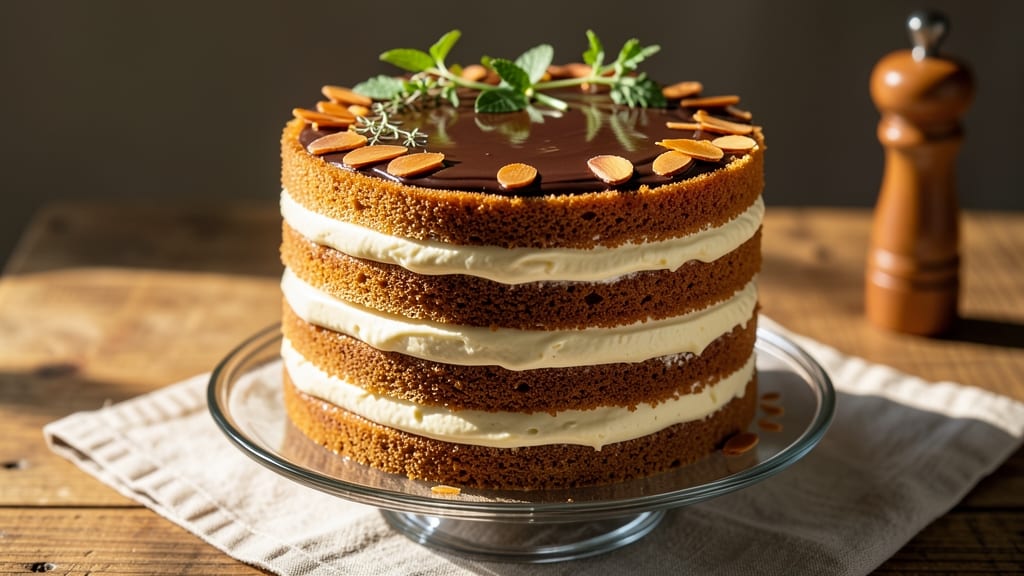
Alvin Zhou's 150-hour cake isn't just dessert—it's a masterclass in patience and precision, delivering layers of ultra-moist vanilla perfection with buttery depth. This isn't your average cake; it's a labor of love where time transforms simple ingredients into something extraordinary. The secret lies in the slow fermentation, which develops unmatched tenderness and flavor complexity.
What sets this cake apart is its foolproof technique for balancing moisture and structure over three days. The recipe demands attention to detail—from precise tempering of eggs to strategic layering—but the results are worth every hour.
Each slice reveals a velvety crumb, rich vanilla essence, and a delicate crumb that melts in your mouth.
This isn't just about baking; it's about creating an experience. The cake's signature buttery vanilla flavor builds with every resting period, while the slow hydration process ensures no dryness. Perfect for special occasions or when you want to impress, this recipe delivers restaurant-quality results at home.
Ready to tackle the challenge? The payoff is a cake so moist and flavorful, it'll redefine your standards. Let's get started with the step-by-step guide to achieving Alvin Zhou's legendary texture and taste.
Ingredients for alvin zhou 150 hour cake
Twelve ingredients, three days, one legendary cake—where patience meets perfection.
| Ingredient | Amount | Notes |
|---|---|---|
| Large Egg Yolks 🥚 | 12 whole | Room temperature, pasteurized preferred |
| Large Egg Whites 🥚 | 8 whole | Room temperature, separated carefully |
| Granulated Sugar 🍚 | 3 cups | Superfine preferred for smooth texture |
| Unsalted Butter 🧈 | 2 cups | European-style, 82% fat content |
| Pure Vanilla Extract 🌿 | ½ cup | Bourbon or Madagascar preferred |
| All-Purpose Flour 🌾 | 3 ½ cups | Bread flour for enhanced structure |
| Whole Milk 🥛 | 1 ½ cups | Room temperature, full-fat |
| Baking Powder 🍞 | 1 tbsp | Aluminum-free preferred |
| Diamond Crystal Kosher Salt 🧂 | ¾ tsp | Fine grain for even distribution |
| Cornstarch 🌽 | 1 tbsp | For tenderizing the crumb |
| Lemon Zest 🍋 | 1 tbsp | Freshly grated, bright flavor |
| Vanilla Bean Seeds 🌿 | 1 whole | Scraped from 1 high-quality pod |
| Heavy Cream 🥛 | 1 cup | 36% fat content for stability |
| Powdered Sugar 🍚 | 2 cups | For final dusting, sifted |
The butter and eggs are non-negotiable here. European-style butter with 82% fat content gives that signature richness, and it's worth hunting down at specialty stores like Whole Foods or Eataly if your regular grocery doesn't carry it. For the eggs, pasteurized yolks prevent any risk of salmonella while maintaining perfect emulsification. Room temperature is critical—both butter and eggs should sit out for 2 hours before use. The vanilla? Bourbon or Madagascar extracts have the most complex flavor profiles, but if you're using seeds, scrape every last bit from the pod for maximum impact. Pro tip: buy vanilla beans in bulk from Penzeys—they keep for years in a cool, dark place.
No European butter? Plugrá or Land O'Lakes European-style are decent substitutes, though they won't be quite as rich. Short on vanilla extract? Scrape seeds from 2 pods and steep in 1/4 cup vodka for 2 weeks—it'll taste fresher than anything bottled. The flour matters too: King Arthur bread flour gives that signature tender crumb, but all-purpose works in a pinch if you're not baking for a crowd. For the powdered sugar, Domino brand sifts perfectly and is widely available. Lemon zest can be dried and stored in the freezer for up to 6 months if you're prepping ahead—just crush it lightly before using. And if you're worried about the baking powder, Bob's Red Mill makes an aluminum-free version that won't affect the cake's color.
This cake demands respect for its ingredients. Butter and eggs should be stored in the fridge until ready to use, then brought to room temp. Vanilla beans keep for years in an airtight container, while extracts last about 12 months. The flour mixture (dry ingredients) can be prepped 2 days ahead and stored in the freezer—just let it sit at room temp for 30 minutes before mixing. Once baked, the cake improves with time: 3 days at room temperature wrapped in plastic is ideal, though it'll keep for up to 5 days. For serving, dust with powdered sugar just before cutting—it keeps the layers from drying out. And if you're making this for a special occasion, prep the entire batter 24 hours ahead—the flavors meld beautifully overnight.
Why You'll Love This Recipe
- No Stand Mixer Needed: I’ll be real—this cake relies on a lot of whisking, but you don’t need a stand mixer. A sturdy hand mixer and a strong arm do the trick, and honestly? The meringue stage becomes this weirdly satisfying workout. Plus, the buttercream is just sugar, butter, and vanilla—no fancy gadgets required.
- Silky, Not Soggy: The secret’s in the yolks and whites: whipped to just the right point, then folded together like a cloud. No dense crumbs here—it’s light, airy, and holds its shape. The buttercream? Rich but not heavy, thanks to that vanilla extract cutting through the sweetness. One bite, and you’ll forget it’s "just" a cake.
- Weeknight Hero: Between us, this is my go-to for birthdays, potlucks, or when I need a dessert that looks impressive but doesn’t take all day. The 150-hour method (yes, really) means you can prep layers ahead—no last-minute stress. Just assemble when guests arrive, and boom: you’re the star.
- Budget-Friendly Luxury: Five ingredients, minimal waste. Egg yolks and whites are cheap, sugar and butter stretch far, and vanilla extract lasts forever. The cake feeds a crowd, slices neatly, and even tastes better the next day. Leftovers? Wrapped tightly, they’ll stay fresh for days—no sad, dried-out slices here.
Step-by-step instructions for Alvin Zhou's 150-Hour cake
This isn't your average cake—it's a labor of love with layers of buttery vanilla perfection.
Prepare the Yolk and Sugar Mixture
In a stand mixer fitted with the whisk attachment, combine the 12 whole large egg yolks with 3 cups granulated sugar. Beat on medium-high speed for 5-7 minutes until the mixture is pale, thick, and triples in volume. You'll notice it becomes ribbony when you lift the whisk—this indicates proper emulsification.
Here's the thing—this step takes patience. The sugar needs to fully dissolve and create a stable emulsion with the yolks. If you rush it, you'll end up with a dense, cakey texture instead of that signature ultra-moist crumb. I like to stop occasionally and scrape down the sides with a silicone spatula to ensure even mixing.
Incorporate Butter and Vanilla Infusion
Reduce the mixer speed to low and gradually add the 2 cups unsalted butter, cut into small cubes, over 3-4 minutes. The butter should melt completely and be fully incorporated into the yolk mixture. This creates the rich, buttery base that makes this cake legendary.
Next, add the 0.5 cup pure vanilla extract and the vanilla bean seeds scraped from the pod. Mix on low speed for 1 minute to combine. The vanilla seeds add depth of flavor that bottled extract alone can't provide. I press the seeds against the pod to extract every last bit of flavor before adding them to the mixture.
Combine Dry Ingredients and Milk
In a separate bowl, whisk together the 3.5 cups all-purpose flour, 1 tbsp baking powder, 0.75 tsp diamond crystal kosher salt, and 1 tbsp cornstarch. Sift this mixture directly into the yolk mixture while mixing on low speed. This prevents gluten development and creates a tender crumb.
With the mixer still running on low, gradually add the 1.5 cups whole milk until fully combined. The batter should be smooth and slightly thicker than traditional cake batter. Here's where it gets interesting—add the 1 tbsp lemon zest and mix just until combined. The citrus brightens the vanilla flavor and adds a subtle complexity that elevates this cake from ordinary to extraordinary.
Fold in Egg Whites for Structure
In a clean, grease-free bowl, beat the 8 whole large egg whites on medium speed until soft peaks form. Gradually add the 1 cup heavy cream while beating until stiff, glossy peaks form. This step is crucial for creating the cake's signature tender yet structured crumb.
Using a spatula, gently fold one-third of the egg white mixture into the yolk batter to lighten it. Then, carefully fold in the remaining egg white mixture in two additions, being careful not to deflate the batter. The goal is to maintain as much air as possible while ensuring even distribution. If you see streaks of white, fold a bit more—this ensures a uniform texture throughout.
Bake and Layer for Maximum Moisture
Preheat your oven to 325°F and prepare three 8-inch round cake pans by greasing them thoroughly with butter and dusting with flour. Divide the batter evenly among the pans. Bake for 30-35 minutes or until a toothpick inserted in the center comes out clean. The cakes should spring back gently when pressed in the center.
Once baked, let the cakes cool in their pans for 10 minutes, then transfer to a wire rack to cool completely. For the 150-hour magic to work, you'll need to layer these cakes with a buttercream made from the remaining 2 cups powdered sugar, 1 cup heavy cream, and 1 cup unsalted butter (softened). This buttercream should be light and airy—whip the butter until creamy, then gradually add the powdered sugar and heavy cream until smooth and fluffy.
Assemble the layers with the buttercream between each, then wrap the entire cake tightly in plastic wrap. Place it in the refrigerator for 24 hours, then transfer to the freezer for the remaining 120 hours. This extended chilling period allows the flavors to meld and the texture to become incredibly moist and tender. When ready to serve, bring the cake to room temperature for 1 hour before slicing—this ensures clean cuts and maximum moisture in each bite.
Pro Tips For Making Alvin Zhou 150 Hour Cake
- Whip yolks to ribbon stage: Stop when the yolk mixture coats the back of a spoon like satin—no longer. Over-whipping here makes the cake dense. I used to push it until it looked like peanut butter, but the texture suffers. Trust your spoon test.
- Age egg whites overnight: Separate yolks and whites 12–24 hours ahead, cover them loosely, and let them sit in the fridge. Older whites whip stiffer and hold volume better, which is non-negotiable for this cake’s height. (Yes, it’s weird, but it works.)
- Fold in butter slowly: Add the butter in three additions, mixing just until fully incorporated between each. Dumping it all in at once creates pockets of unmelted fat that ruin the crumb. This isn’t the prettiest method, but it’s the tastiest.
- Use vanilla bean paste: Skip the extract—split a vanilla bean, scrape the seeds into the yolks, and add the paste. The extra depth of flavor cuts through the richness of the butter and sugar. (Your future self will notice the difference.)
Perfect pairings for this dish
Coffee Pairings
This cake's buttery vanilla depth pairs beautifully with medium-roast coffees that complement its richness. I recommend a lightly sweetened latte made with Starbucks Pike Place roast—its caramel notes mirror the cake's natural sweetness without overpowering.
For espresso lovers, a double shot of Lavazza Qualità Rossa with a touch of vanilla syrup enhances the flavor harmony. 💛
Tea Complements
Earl Grey tea's bergamot citrus balances the cake's vanilla beautifully, especially when served warm. I steep one tea bag per cup for 3-4 minutes> and add a splash of milk to smooth the tannins.
For a non-dairy option, try Twinings English Breakfast with a splash of almond milk—it adds a subtle nuttiness that pairs wonderfully with the buttercream.
Seasonal Beverages
In summer months, a vanilla chai latte made with Tazo Chai concentrate and steamed milk creates a perfect contrast. For winter gatherings, serve with a spiced hot chocolate> using Ghirardelli premium cocoa powder> and a pinch of cinnamon.
The warmth of the chocolate enhances the cake's buttery layers while adding a festive touch.
Alcohol Pairings
For an adult twist, pair this cake with a semi-sweet Moscato d'Asti>—its light fruitiness complements the vanilla without competing. If you prefer spirits, a bourbon vanilla bean cocktail> using Woodford Reserve> and a splash of cream adds luxurious depth.
For coffee lovers, a dark rum espresso martini> with Kahlúa> and cold brew creates an elegant dessert pairing.
Non-Alcoholic Options
For a refreshing contrast, serve with sparkling apple cider> like Martinelli's—its effervescence cuts through the richness. For a creamy option, a vanilla bean milkshake> made with Breyer's vanilla ice cream> and cold milk creates a decadent dessert experience.
The cold temperature also helps maintain the cake's moisture during warm weather.
Presentation Tips
Serve slices on gold-rimmed plates> with a dusting of powdered sugar> to enhance presentation. For a rustic touch, place slices on wooden cake stands> with fresh berries on the side.
The cake's ultra-moist texture makes it perfect for cake pops>—roll slices in melted chocolate and chill for a fun alternative. 💫
Nutrition facts
Frequently asked questions
Why does this cake need 150 hours of resting time?
The extended resting period is what creates the signature ultra-moist texture. The slow fermentation allows the flour to fully hydrate and develop gluten strands that hold onto moisture, while the buttercream absorbs into the layers gradually. This process also lets the vanilla flavors deepen and meld beautifully. Think of it as a slow-cooked dish for cakes—patience pays off with every bite!
Can I make this cake without a stand mixer?
Yes, but with some extra elbow grease! You'll need to whisk the egg yolks and sugar by hand for 10-15 minutes until pale and thick. For the egg whites, use a hand mixer instead of a stand mixer. The key is patience—just be prepared to work in short bursts to avoid fatigue. The final texture will be slightly less airy but still delicious.
What's the best way to store the cake before serving?
After assembling the layers, wrap the entire cake tightly in plastic wrap to prevent drying. Store it in the refrigerator for 24 hours, then transfer to the freezer for the remaining 120 hours. When ready to serve, let it sit at room temperature for 1 hour before slicing. This gradual temperature change helps maintain the perfect moisture balance. Pro tip: Dust with powdered sugar just before serving to keep layers fresh.
Can I substitute any of the specialty ingredients?
Some substitutions work better than others. For butter, use European-style if possible, but Plugrá or Land O'Lakes European-style are decent alternatives. For vanilla, scrape seeds from 2 pods and steep in vodka for 2 weeks. The flour can be swapped for bread flour for better structure, but all-purpose works in a pinch. Avoid salted butter or iodized salt—they'll alter the flavor balance dramatically.
What's the most common mistake when making this cake?
Overmixing the batter or rushing the resting time are the biggest culprits. Overmixing develops gluten, leading to a tough crumb. And cutting into the cake too soon (before the full 150 hours) results in dry slices. Always let the cakes cool completely in pans, then chill the assembled cake properly. The patience is worth it for that signature melt-in-your-mouth texture!