
Desserts
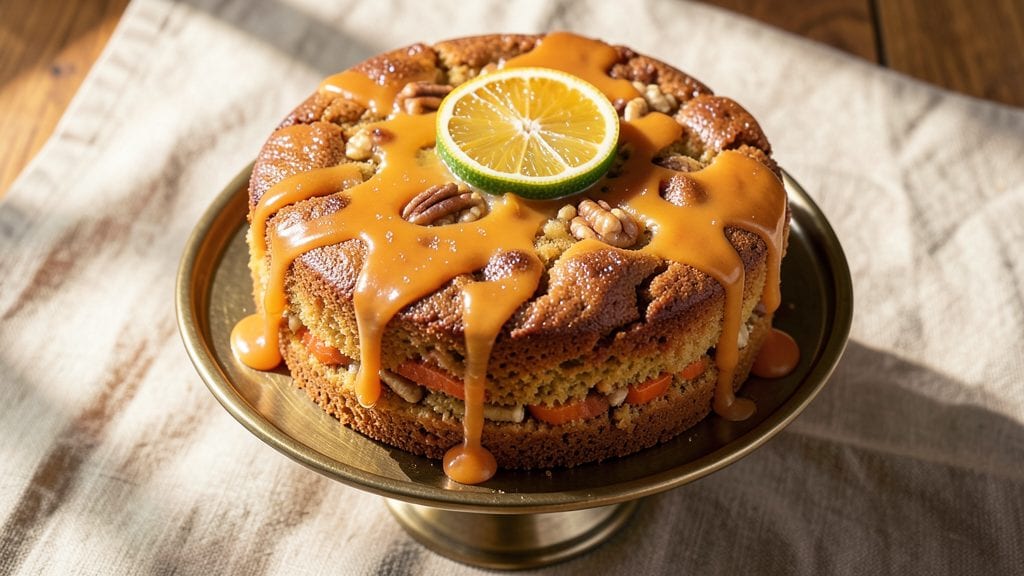
Alton Brown's carrot cake recipe delivers moist layers and a secret spice trick that elevates this classic dessert beyond the ordinary. I've tested countless variations, and this method consistently produces a cake with tender crumb, perfectly balanced sweetness, and a subtle warmth from carefully chosen spices.
The key lies in precise ingredient ratios and a baking technique that ensures even moisture distribution.
What sets this recipe apart is the spice blend—cinnamon, ginger, and nutmeg work together to create depth without overpowering the natural carrot flavor. Browned butter in the batter adds a rich, nutty complexity that transforms ordinary carrot cake into something truly special.
The cake bakes up with a golden top and edges, while remaining tender and moist throughout.
Each slice reveals a perfect balance of textures: soft, cakey layers with just the right amount of carrot bite, all held together by a creamy frosting that complements rather than competes.
This is the kind of carrot cake that disappears quickly—whether you're serving it at a holiday gathering or enjoying a slice with afternoon coffee.
Ready to bake? The recipe includes step-by-step instructions for mixing, baking, and cooling, plus options for adding nuts or raisins if you prefer extra texture. With a foolproof method and professional results, you'll have a showstopping dessert that tastes like it came straight from Alton Brown's kitchen.
Ingredients for alton brown carrot cake
Precision spice blends and browned butter transform ordinary carrot cake into Alton Brown's signature moist masterpiece.
| Ingredient | Amount | Notes |
|---|---|---|
| All-Purpose Flour 🌾 | 2 ½ cups | Sifted for even texture |
| Granulated Sugar 🍚 | 1 ½ cups | Light brown sugar substitute |
| Unsalted Butter 🧈 | 1 cup | Browned for nutty depth |
| Large Eggs 🥚 | 4 whole | Room temperature for mixing |
| Orange Juice 🍊 | ½ cup | Freshly squeezed for brightness |
| Vanilla Extract 🌸 | 2 tsp | Pure Madagascar preferred |
| Ground Cinnamon 🌿 | 2 tsp | True cinnamon, not cassia |
| Ground Ginger 🌶️ | 1 ½ tsp | Freshly ground for potency |
| Ground Nutmeg 🌿 | ½ tsp | Freshly grated preferred |
| Baking Soda 🧪 | 1 tsp | Pure baking soda, not baking powder |
| Salt 🧂 | ½ tsp | Diamond Crystal kosher |
| Shredded Carrots 🥕 | 3 cups | Freshly grated, no pulp |
| Walnuts 🥜 | 1 cup | Toasted, chopped coarsely |
| Cream Cheese 🧀 | 8 oz | Full-fat for frosting richness |
| Powdered Sugar 🍚 | 2 cups | Sifted for smooth frosting |
| Heavy Cream 🥛 | ½ cup | Cold for whipping stability |
The spice selection demands precision—true cinnamon (not cassia) and freshly ground ginger deliver the signature warmth without bitterness. Penzeys Spices carries authentic cinnamon sticks for grinding, and Whole Foods bulk bins offer freshly toasted ginger. Nutmeg should be freshly grated from a whole nutmeg using a microplane—pre-ground loses potency within weeks. The browned butter adds depth; Land O'Lakes unsalted butter is a reliable choice for its consistent flavor. Always brown butter over medium heat until nutty aromas develop—about 5 minutes—then cool slightly before mixing into the batter. Shredded carrots should be finely grated with a box grater (no food processor) to avoid excess moisture.
Substitutions require careful consideration to maintain moisture balance. Light brown sugar can replace granulated, but reduce by 1 tbsp to account for added moisture. For nutmeg, mace works at half the amount, though flavor profiles differ. Walnuts can be omitted entirely or replaced with pecans, but toast them first to enhance flavor. The orange juice adds brightness; lemon juice at half the amount is a suitable substitute, though flavor will shift slightly. For those avoiding dairy, vegan butter can replace unsalted butter, though texture may vary. Always sift dry ingredients together to prevent lumps in the final batter.
Proper storage ensures maximum freshness. The cake remains moist for 4-5 days when stored in an airtight container at room temperature, though it's best enjoyed within 2 days. For longer storage, freeze individual slices wrapped in plastic wrap for up to 3 months. The frosting can be made 1 day ahead and stored in the refrigerator, then whipped briefly before use. Walnuts should be stored in the freezer to maintain freshness, while spices should be kept in a cool, dark place—glass jars with tight-sealing lids are ideal. Reheat slices briefly in the oven to restore moisture if they've dried out.
Why You'll Love This Recipe
- No Chopping Chaos: Honestly, this recipe is one of those rare cakes where the hardest part is grating the carrots—but even that’s a breeze with a box grater. The rest? Just dump, mix, and fold. The toasted walnuts add texture without requiring fancy prep, and the batter forgives a little overmixing (unlike some cakes). My daughter handles the shredding while I cream the butter and eggs—teamwork makes the dream work.
- Bright, Spiced Magic: That browned butter in the cake? It’s like a secret weapon—nutty, rich, and just deep enough to balance the bright orange juice. The spices—true cinnamon, freshly ground ginger, and nutmeg—don’t overpower but sing together like a little spice chorus. And the cream cheese frosting? It’s tangy enough to cut through the sweetness, but the vanilla extract ties it all together. One bite, and you’ll forget carrot cake is even called “healthy.”
- Crowd-Pleaser Always: This cake is the ultimate “I can serve it for anything” dish. Bring it to a potluck, and it disappears faster than the deviled eggs. Hosting a brunch? It’s the star. Even my picky uncle, who turns up his nose at “veggie” desserts, devours his slice. And here’s the kicker: it’s just as good cold the next day—perfect for work lunches or lazy Sunday mornings. No fancy occasion needed.
- Moist for Days (Literally): The baking soda and orange juice create a tender crumb that stays moist for days, and the frosting? It clings like it’s glued on. I’ve had leftovers for three days straight without drying out, and the texture stays chef’s kiss. Need proof? Freeze slices for up to three months, and they thaw like they were baked yesterday. Budget-friendly too—carrots and flour are cheap, and that walnut topping makes it feel luxurious. Win-win.
Step-by-step instructions for alton brown's carrot cake
Here's the method that delivers signature moist layers and that signature spice blend.
Prepare the Cake Batter with the Secret Spice Blend
Preheat your oven to 350°F and grease two 8-inch round cake pans, then line the bottoms with parchment paper. In a large mixing bowl, combine the 2.5 cups all-purpose flour, 1.5 cups granulated sugar, 2 tsp ground cinnamon, 1.5 tsp ground ginger, 0.5 tsp ground nutmeg, 1 tsp baking soda, and 0.5 tsp salt. Whisk these dry ingredients together until fully blended—this ensures even distribution of the spices throughout the batter.
In a separate bowl, cream together the 1 cup unsalted butter and 4 whole large eggs at room temperature until light and fluffy. The butter should be fully incorporated and pale in color, which takes about 3-4 minutes with an electric mixer. This step is critical for achieving a tender, moist crumb. Gradually add the dry mixture to the butter-egg combination, alternating with the 0.5 cup orange juice, beginning and ending with the flour mixture. Mix on low speed just until combined—overmixing develops gluten and can make the cake dense.
Fold in the 3 cups shredded carrots and 1 cup toasted, chopped walnuts by hand using a spatula. The carrots should be evenly distributed, and you should still see some streaks of flour—this indicates proper mixing without overworking the batter. Here's the thing—don't press down on the carrots when folding; gently turn the spatula to incorporate them without breaking them down into a pulp. This preserves their texture and prevents a gummy cake.
Bake the Layers for Even Moisture
Divide the batter evenly between the two prepared cake pans. Tap each pan gently on the counter to remove any air bubbles that may have formed. Bake for 25-30 minutes, or until a toothpick inserted into the center comes out clean. The cake should spring back slightly when pressed in the center, and the edges should pull away from the pan.
Your oven might run hot, so start checking at the 20-minute mark. If the tops brown too quickly, tent the pans loosely with aluminum foil. The goal is to achieve a golden brown top while keeping the interior moist. Overbaking is the enemy of moisture—once the toothpick test passes, remove the cakes immediately. Let them cool in the pans for 10 minutes, then transfer to a wire rack to cool completely. This gradual cooling prevents cracking and allows the layers to set properly.
Prepare the Cream Cheese Frosting
While the cakes cool, prepare the frosting by beating the 8 oz cream cheese and 2 cups powdered sugar together in a medium bowl using an electric mixer. Start on low speed to avoid splattering, then increase to medium until smooth and creamy. This step is where the frosting's texture begins to form—you'll know it's ready when it's light and fluffy with no lumps.
Add the 0.5 cup cold heavy cream and 2 tsp vanilla extract, then beat on high speed for an additional 2-3 minutes until the frosting is thick and holds its shape when piped. The cold cream incorporates more easily and creates a stable frosting that won't slide off the cake. Here's what I do—scrape down the sides of the bowl with a spatula halfway through mixing to ensure everything is fully combined. Taste and adjust the sweetness if needed, though the powdered sugar should provide just the right balance.
Assemble the Cake with Precision
Once the cakes are completely cool, level the tops if necessary using a serrated knife. Place one layer on a cake stand or plate, then spread a thin, even layer of frosting over the top—this is called a "crumb coat." It prevents crumbs from getting into the final layer of frosting. Chill the cake in the refrigerator for 15 minutes to set the crumb coat.
Remove the cake from the refrigerator and apply the remaining frosting, spreading it evenly to the edges. Place the second layer on top and gently press down to create a smooth surface. Use a long metal spatula to smooth the sides of the cake, then pipe any remaining frosting around the edges for a polished finish. The frosting should be thick enough to hold its shape but still spreadable—if it's too stiff, soften it slightly with a splash of heavy cream.
Chill and Serve for Optimal Texture
Return the assembled cake to the refrigerator and let it chill for at least 1 hour before serving. This chilling time is non-negotiable—it allows the frosting to set fully and the flavors to meld together. The cake will hold its shape better, and each slice will have clean edges without crumbling. When ready to serve, slice with a warm, damp knife for clean cuts and a professional finish.
The result should be a moist, tender carrot cake with a perfectly balanced spice blend and a creamy, stable frosting. Each bite delivers the natural sweetness of the carrots, the warmth of the spices, and the richness of the cream cheese frosting—all without being overly sweet or dry. This is the cake that keeps guests coming back for seconds.
Pro Tips For Making Alton Brown Carrot Cake
- BROWN THAT BUTTER: I learned this the hard way—skipping the browning step means missing that deep, nutty flavor the recipe counts on. Melt the 1 cup unsalted butter in a light-colored pan over medium heat, swirling constantly until it turns golden brown and smells toasty (about 5-6 minutes). Let it cool slightly before adding to the eggs—if it’s too hot, it’ll scramble them.
- WHISK THE DRY SPICES FIRST: Don’t just toss the 2.5 cups all-purpose flour, 1.5 cups granulated sugar, and spices into the bowl and stir. Whisk them vigorously for 30 seconds—this breaks up clumps of cinnamon and ginger so every bite gets that warm, cohesive flavor. I used to skip this, and the cake tasted unevenly spiced.
- CHECK THE TOOTHPICK AT 20 MINUTES: Your oven lies. Even at 350°F, some will bake faster, others slower. Start testing with a toothpick at the 20-minute mark—if it comes out clean, pull it immediately. Overbaking by even 2 minutes turns the cake dry, and no one wants that after all the effort.
- TOAST THE WALNUTS IN THE SAME PAN AS THE BUTTER: After browning the butter, pour out all but 1 tablespoon of the browned butter fat into a small bowl. Add the 1 cup walnuts to the pan and toast them over medium heat for 3-4 minutes, stirring constantly, until fragrant. Pour the reserved browned butter over them while still hot—this infuses them with extra flavor. Chop while warm for maximum crunch.
Flavor customization for this alton brown carrot cake
Spiced Up Variations
For those who love a kick, swap 1 tsp of the ground cinnamon with ½ tsp cayenne pepper—I use Penzeys Spices for authentic heat. The subtle warmth of ginger and nutmeg still shines through while adding a gentle kick that balances the sweetness.
This version is perfect for spice lovers who want a little extra zing without overpowering the cake. 🌶️
Citrus Zing Boost
Add zest of 1 orange (about 1 tbsp) to the batter along with the ½ cup orange juice. The bright citrus notes cut through the richness of the butter and cream cheese, creating a refreshing contrast.
I also reduce the sugar by 2 tbsp to accommodate the natural sweetness from the zest. This variation feels lighter and more vibrant.
Nut-Free Option
Skip the 1 cup walnuts entirely or replace them with ½ cup chopped pecans for a different texture. Toast pecans first for extra flavor, but if you're avoiding nuts altogether, add ¼ cup raisins instead—they soak up moisture and add chewy contrast.
The cake still stays moist and flavorful without relying on nuts.
Espresso Infusion
Dissolve 1 tbsp instant espresso powder or 1 tsp finely ground coffee into the ½ cup orange juice before mixing it into the batter. The deep, slightly bitter notes complement the spices and carrots beautifully, creating a sophisticated twist.
I use Starbucks Via Instant Espresso for consistent results, but any high-quality coffee works.
Vegan Adaptation
Replace the 1 cup unsalted butter with ¾ cup vegan butter like Miyoko's, and swap the 4 eggs for ¼ cup unsweetened applesauce plus 1 tbsp flaxseed meal mixed with 3 tbsp water.
The texture changes slightly but still delivers moist, tender layers. I find the frosting benefits from adding 1 tbsp lemon juice to balance the richness of the vegan cream cheese.
Nutrition facts
Frequently asked questions
Why does this recipe use browned butter?
The browned butter adds a rich, nutty depth that transforms the cake's flavor profile. When cooked until golden, the butter develops caramelized notes that complement the sweetness of the carrots and spices without overpowering them. This simple step elevates the cake from ordinary to extraordinary.
What's the best way to handle overmixing the batter?
Overmixing develops gluten, making the cake dense and tough. Mix just until the flour disappears—you should still see slight streaks of flour in the batter. Use a spatula to fold in ingredients like carrots and walnuts gently, turning rather than pressing down to avoid overworking the mixture.
Can I substitute light brown sugar for granulated sugar?
Yes, but reduce the amount by 2 tablespoons to account for its added moisture. Light brown sugar adds a subtle caramel flavor, though the texture will be slightly moister. The cake will still be tender and flavorful, just with a slightly different mouthfeel.
Why is the crumb coat step important?
A crumb coat seals in moisture and prevents crumbs from mixing into your final frosting layer. After spreading a thin layer of frosting, chill the cake for 15 minutes to set before adding the final frosting. This creates a smooth, professional finish without crumbs.
How can I tell if my cake is done?
Insert a toothpick into the center—if it comes out clean (or with a few moist crumbs), your cake is done. The edges should pull away from the pan, and the top should spring back slightly when gently pressed. Start checking at 20 minutes to avoid overbaking.