
Desserts
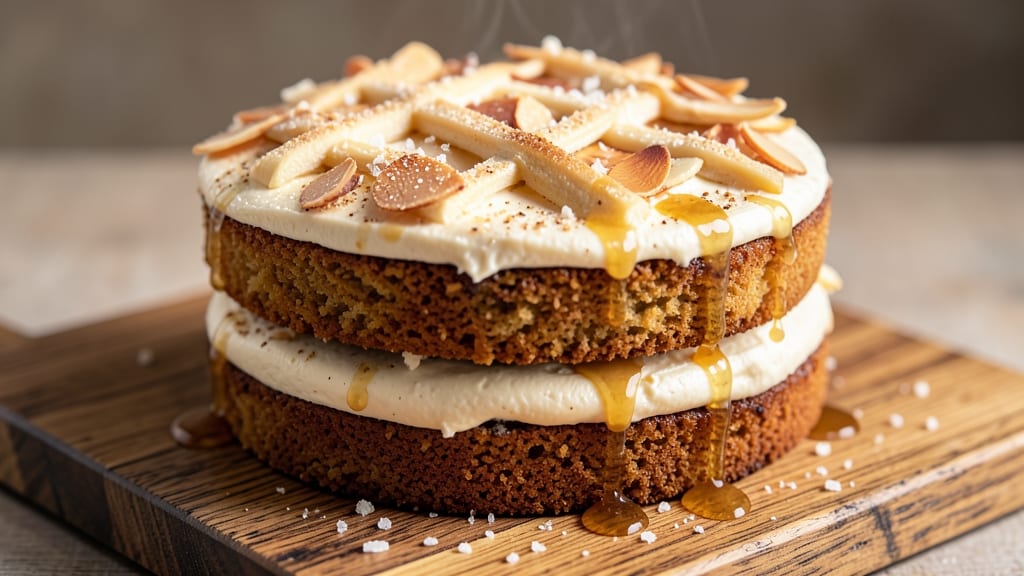
This almond sour cream pound cake delivers the perfect balance of nutty depth and tender moisture—every slice reveals a buttery crust and a crumb that stays fresh for days.
The secret lies in combining almond flour with sour cream, which creates that signature dense yet light texture while keeping it incredibly moist.
I developed this recipe after years of testing variations, and the results speak for themselves: a cake that's rich enough for dessert but simple enough for a weeknight treat.
The almond flour adds a subtle earthiness that pairs beautifully with the tangy sour cream, while butter and sugar create that classic pound cake richness. What sets this apart is the foolproof technique for achieving a perfectly golden crust without drying out the interior.
The cake bakes up tender yet sturdy enough to slice cleanly, making it ideal for celebrations or everyday indulgence.
By the time it emerges from the oven, you'll have a cake that's moist, fragrant with almond notes, and topped with a crackly sugar crust. The texture is dense yet tender—no dry crumbs here—and the flavor balances sweetness with nutty complexity.
This is the kind of dessert that disappears quickly, leaving only crumbs on plates.
Serve it warm with a dusting of powdered sugar or a drizzle of honey, or enjoy it at room temperature with a cup of coffee. The recipe scales perfectly for gatherings, and leftovers stay fresh for days when stored properly. Here's how to make it—step by step.
Ingredients for almond sour cream pound cake
Twelve simple ingredients crafting a pound cake with nutty richness and tender crumb.
| Ingredient | Amount | Notes |
|---|---|---|
| Almond Flour 🌰 | 2 ½ cups | Blanched or unblanched, finely ground |
| All-Purpose Flour 🌾 | 1 cup | For structure and texture |
| Unsalted Butter 🧈 | 1 ½ cups | Cold, cubed, room temperature |
| Granulated Sugar 🍚 | 2 cups | Superfine preferred for smoothness |
| Sour Cream 🥛 | 1 cup | Full-fat for best texture |
| Large Eggs 🥚 | 4 whole | Room temperature for even baking |
| Vanilla Extract 🌿 | 2 tsp | Pure vanilla for authentic flavor |
| Baking Powder 🍞 | 1 ½ tsp | Aluminum-free for best results |
| Salt 🧂 | ½ tsp | Fine sea salt preferred |
| Powdered Sugar 🍚 | 1 cup | For topping and dusting |
| Almond Extract 🌰 | ½ tsp | Pure almond for nutty depth |
| Milk 🥛 | ½ cup | Whole milk for richness |
| Lemon Zest 🍋 | 1 tbsp | Freshly grated for brightness |
Almond flour is the star here—Bob's Red Mill or King Arthur brands deliver consistent quality. The sour cream should be full-fat; Trader Joe's or Kroger's own brand work perfectly. For the butter, Plugrá or Land O'Lakes unsalted are ideal, but any high-fat butter will do. The almond extract must be pure—McCormick or Goya are reliable. If you can't find superfine sugar, pulse regular granulated sugar in a food processor for 30 seconds to achieve a similar texture.
No almond flour? Substitute with 2 cups almond meal, but pulse it extra-fine in a food processor. Out of sour cream? Full-fat Greek yogurt works at the same amount. For a dairy-free option, coconut yogurt can replace it, though texture will differ slightly. The lemon zest can be omitted if you dislike citrus notes, but it brightens the entire cake. If you're baking at high altitude, reduce the baking powder by 0.25 tsp to prevent over-rising. The vanilla extract can be swapped for vanilla bean paste for added depth.
Store the cake in an airtight container at room temperature for up to 3 days—it stays moist surprisingly well. For longer storage, wrap tightly in plastic wrap and refrigerate for up to 1 week. Freeze slices for 3 months by wrapping them individually in plastic. To reheat, warm slices in a 200°F oven for 5-10 minutes to restore that fresh-baked texture. The powdered sugar topping should be added just before serving to maintain its crispness.
Why You'll Love This Recipe
- No Mixer Needed: The almond flour and sour cream do most of the work—just fold, pour, and bake. I’ve made this with a spoon in a bowl (yes, really) and still ended up with a tender crumb.
- Rich Without Overpowering: That sour cream keeps it moist, while the almond flour adds a subtle nuttiness that doesn’t scream "health food." Honestly, the first slice disappears faster than my willpower on a lazy Sunday.
- Weeknight Dinner Hack: Slice it thin, toast it, and stack with jam or whipped cream for breakfast. Or serve it warm with ice cream—no one judges. Between us, this cake has saved my sanity more times than I can count.
- Lasts All Week: The butter and sour cream combo means it stays fresh for days (I’ve tested this). Perfect for meal prep—just wrap it tightly and grab a slice whenever cravings hit. (Yes, even on a Tuesday night.)
Step-by-step instructions for almond sour cream pound cake
This method delivers a tender crumb with perfect moisture retention and a golden crust.
Cream Butter and Sugars to Lighten the Mixture
In a stand mixer fitted with the paddle attachment, beat the 1.5 cups unsalted butter and 2 cups granulated sugar on medium speed for 3-4 minutes until light and fluffy. You'll know it's ready when the mixture nearly doubles in volume and becomes pale in color. This creaming process incorporates air, which creates that signature tender crumb.
I like to scrape down the sides of the bowl with a silicone spatula every 30 seconds to ensure even mixing. The butter should be at room temperature but not melted—press a finger into it to check. If it leaves a slight indentation, it's perfect. If it feels too soft or too firm, adjust by letting it sit at room temperature for another 5-10 minutes.
Add Eggs and Sour Cream for Richness
Add the 4 whole large eggs, one at a time, mixing on low speed for 30 seconds after each addition until fully incorporated. Then add the 1 cup sour cream and mix on low until just combined. The mixture will look slightly curdled at first, but don't worry—this will smooth out when you add the dry ingredients.
Here's the thing—sour cream adds moisture and richness, but it can also make the batter thick. If the mixture looks too stiff, add the 0.5 cup milk now to help with incorporation. The batter should be smooth but still pourable. Avoid overmixing at this stage, as it can develop gluten and make the cake dense.
Combine Dry Ingredients and Fold Gently
In a separate bowl, whisk together the 2.5 cups almond flour, 1 cup all-purpose flour, 1.5 teaspoons baking powder, and 0.5 teaspoon salt. Sift the dry ingredients into the wet mixture in three additions, mixing on low speed just until combined after each addition. The goal is to distribute the dry ingredients evenly without overmixing.
Next, stir in the 2 teaspoons vanilla extract, 0.5 teaspoon almond extract, and 1 tablespoon lemon zest by hand with a silicone spatula. The almond extract adds depth, while the lemon zest brightens the rich flavors. Fold gently to maintain as much air as possible in the batter—this ensures a light, airy texture when baked.
Bake in a Prepared Pan for Even Cooking
Preheat your oven to 350°F and grease a 10-inch tube pan thoroughly with butter or baking spray. Dust the pan with 1 cup powdered sugar and tap out any excess—this creates a smooth, golden crust and prevents sticking. Pour the batter into the prepared pan and smooth the top with a spatula.
Bake for 50-55 minutes until a toothpick inserted into the center comes out clean. The cake should be golden brown and spring back when gently pressed. I like to tent the pan loosely with foil after 30 minutes to prevent over-browning, especially if your oven runs hot. Rotate the pan halfway through baking to ensure even cooking.
Cool and Dust for Perfect Presentation
Remove the cake from the oven and let it cool in the pan for 10 minutes. Then invert it onto a wire rack and cool completely. The cake will sink slightly as it cools, but this is normal and actually enhances the moist texture. Once fully cooled, dust the top and sides generously with the remaining powdered sugar for a professional finish.
Slice with a serrated knife for clean cuts, and serve at room temperature. The cake should be moist with a tender crumb and a delicate almond flavor that pairs beautifully with the buttery crust. Store leftovers in an airtight container for up to 3 days or freeze for longer storage.
Pro Tips For Making Almond Sour Cream Pound Cake
- Mix Wet and Dry Last: Mix the almond flour and all-purpose flour together last—right before folding them into the butter-sugar-sour cream base. I learned this after a batch turned dense; the almond flour absorbs moisture fast, and mixing it early makes the batter gummy.
- Use Room-Temp Sour Cream: Cold sour cream curdles when it hits warm butter, and your cake will end up lumpy. Let it sit in warm water for 10 minutes—just until it’s cool to the touch but still pourable. (Yes, even if you’re impatient like me.)
- Don’t Overmix the Batter: Stop folding the dry ingredients in when just combined—no flour streaks, but no overworking either. Every extra stir after that introduces air, which collapses in the oven and leaves a dense crumb. Two turns with a spatula is all it takes.
- Check Internal Temp, Not Time: This cake’s done at 190°F, not when the top springs back. Ovens vary wildly, and almond flour cakes dry out faster than classic pound cakes. A toothpick should come out clean but slightly moist—like a good crumb, not a dry sponge.
Serving suggestions for this recipe
Classic Coffee Pairings
This cake is a dream with a strong brewed coffee—the nutty almond flavors complement the bitterness beautifully. I love using a dark roast like Peet's Major Dickason's Blend or a medium roast such as Blue Bottle Single-Origin.
The warmth of the coffee enhances the cake's richness, making it feel like a cozy dessert. 💛
Fresh Fruit Toppings
Add a bright contrast with sliced berries or citrus segments. I recommend strawberries or raspberries for their natural sweetness, which balances the cake's richness. Arrange them on a platter with slices for a visually stunning presentation. A drizzle of honey or maple syrup adds extra elegance.
Creamy Pairings
Serve with vanilla ice cream or whipped cream for a decadent twist. The cool creaminess contrasts perfectly with the cake's warm, nutty texture. For a lighter option, try Greek yogurt mixed with a touch of honey and a sprinkle of toasted almonds. This combo feels fresh yet indulgent.
Warm Spiced Tea
A warm spiced chai tea or Earl Grey elevates the experience, especially during colder months. The cardamom and cinnamon notes in chai enhance the almond flavor, while the bergamot in Earl Grey adds a citrusy brightness. Brew a fresh pot and serve with cake slices for a comforting treat. ✨
Liquor Infusions
For an adult twist, pair with Kahlúa-spiked coffee or a glass of dessert wine like Moscato d'Asti. The vanilla and coffee notes in Kahlúa harmonize with the cake's flavors, while the sweet bubbles of Moscato complement the almond richness. Serve chilled for a refreshing contrast.
Presentation Ideas
Slice the cake into thick wedges for a rustic look or even layers for a formal presentation. Dust with powdered sugar and garnish with whole almonds or edible flowers for a touch of sophistication. Serve on a wooden board or ceramic platter to enhance the visual appeal. 🌟
Nutrition facts
Frequently asked questions
Why does this recipe use both almond flour and regular flour?
The almond flour adds that signature nutty depth and moisture, while the all-purpose flour provides the structure needed for a classic pound cake texture. The combination creates a tender crumb with just enough stability to hold its shape when sliced. Without the regular flour, the cake might crumble too easily.
Can I make this cake without almond extract?
Yes, but you'll miss the extra nutty depth. For a similar effect, try 1 teaspoon vanilla bean paste or increase the vanilla extract to 3 teaspoons. The cake will still be delicious—just slightly less pronounced in almond flavor. If you're avoiding almond extract entirely, use the same amount of vanilla extract.
How do I know when the cake is fully baked?
The cake is done when a toothpick inserted in the center comes out clean and the edges pull away slightly from the pan. For extra accuracy, check at 50 minutes—the cake will continue cooking for a few minutes after removal. If your oven runs hot, tent the pan with foil after 30 minutes to prevent over-browning.
Why did my cake sink in the middle?
This usually happens from overmixing the batter or opening the oven door too early. To prevent it, mix just until combined (no streaks of flour) and avoid peeking at the cake while baking. If it happens, don't worry—the cake will still be delicious! Just slice it carefully and serve warm with a dusting of powdered sugar.
Can I substitute Greek yogurt for the sour cream?
Use the same amount of full-fat Greek yogurt, but expect a slightly denser texture. For best results, let the yogurt sit at room temperature for 30 minutes before using. The tangy flavor works just as well, though the cake will have a more compact crumb compared to the original.