
Desserts
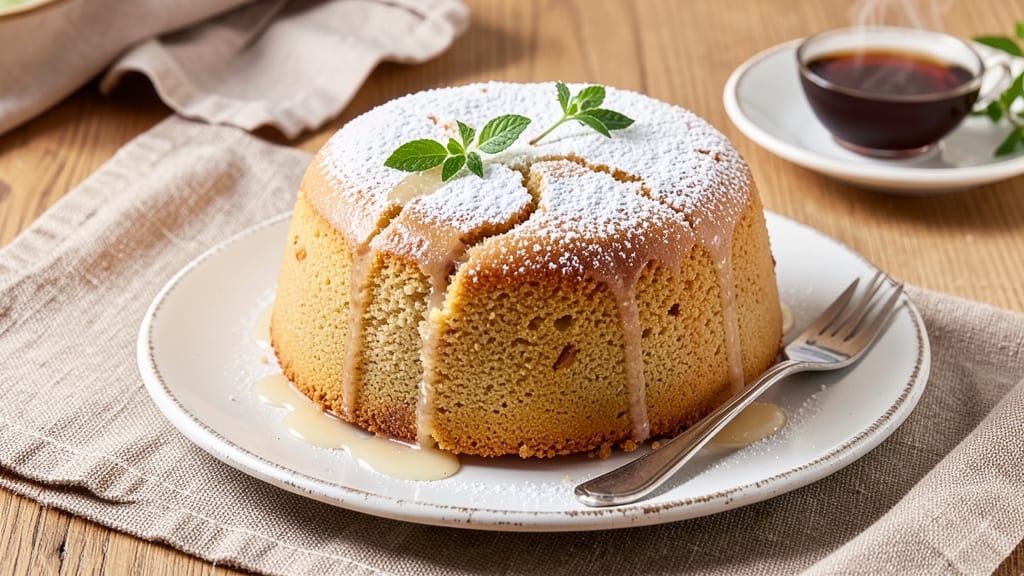
This tastefully simple almond pound cake recipe delivers the perfect balance of moist, tender crumb and subtle nutty flavor without requiring complicated techniques. The secret lies in a simple yet precise method that combines butter, sugar, and almonds to create a cake that's rich, flavorful, and effortlessly elegant.
I've perfected this recipe over years of baking, ensuring every slice is moist enough to melt in your mouth while maintaining a delicate almond essence.
What sets this recipe apart is its foolproof simplicity—no fancy equipment or elaborate steps, just a few high-quality ingredients mixed together with care.
The butter and sugar are creamed to perfection, the almond flour adds depth, and a touch of vanilla swirl elevates the flavor without overpowering the natural almond taste. The result is a cake that's both impressive and approachable, perfect for special occasions or a cozy afternoon treat.
Baking at the right temperature ensures a golden, even rise with a tender interior that stays moist for days. The vanilla swirls add a touch of sophistication, making this cake feel like a restaurant-quality dessert without the fuss.
Whether you're serving it at a gathering or enjoying a slice with tea, this almond pound cake is sure to become a favorite.
The beauty of this recipe is in its versatility—it pairs well with fresh berries, whipped cream, or even a dusting of powdered sugar. The simplicity of the presentation lets the cake's natural flavors shine, proving that sometimes, the most delicious results come from the most straightforward methods.
Ingredients for almond pound cake tastefully simple
Eight high-quality ingredients crafting a cake that balances nutty richness with tender vanilla swirls.
| Ingredient | Amount | Notes |
|---|---|---|
| Unsalted Butter 🧈 | 1 cup | Cold, cubed for creaming |
| Granulated Sugar 🍚 | 1 ½ cups | Superfine preferred for smoothness |
| Almond Flour 🥜 | 2 cups | Finely ground, skin-on almonds |
| Large Eggs 🥚 | 4 whole | Room temperature for even mixing |
| Pure Vanilla Extract 🌿 | 1 tbsp | High-quality Madagascar bourbon |
| Baking Powder 🍞 | 2 tsp | Diamond Crystal brand preferred |
| Salt 🧂 | ½ tsp | Fine sea salt for balance |
| Vanilla Bean Paste 🌿 | 1 tbsp | For swirls, seeds scraped |
| Heavy Cream 🥛 | ½ cup | Cold for swirls |
| Powdered Sugar 🍚 | 2 tbsp | For dusting finished cake |
| Almond Slices 🥜 | ¼ cup | For garnish, toasted |
The almond flour is the heart of this cake—Bob's Red Mill brand delivers the finest grind for optimal texture. For butter, Plugrá or Land O'Lakes unsalted varieties work best, kept cold until mixing. Eggs should be room temperature to blend seamlessly, and vanilla extract matters: Madagascar bourbon adds depth without overpowering. Baking powder is critical—Diamond Crystal measures differently than other brands, so don't substitute without adjusting. For the swirls, heavy cream at 35°F whips to stiff peaks before folding, creating those signature ribbons.
No almond flour? Blanch almonds, skin them, then grind—it takes 10 minutes but yields superior results. Substituting almond flour with regular flour will alter the cake's signature texture. For vanilla, imitation extract lacks the complexity, so invest in quality. The vanilla bean paste swirls can be replaced with vanilla sugar (mix powdered sugar with scraped seeds) if needed. Powdered sugar for dusting should be sifted to avoid graininess. If you're short on almond slices, toasted slivered almonds work equally well for garnish.
This cake keeps beautifully—3 days at room temperature wrapped in parchment, or 5 days refrigerated in an airtight container. For longer storage, freeze slices wrapped individually for up to 3 months. The vanilla swirls intensify over time, making day-old cake even more flavorful. Always bring refrigerated cake to room temperature before serving to restore texture. For presentation, dust with powdered sugar just before serving to maintain crispness.
Why You'll Love This Recipe
- No Mixer Needed: I swear by this recipe because it’s all about the creaming—just butter and sugar, beaten until light and fluffy. No fancy equipment, no stress. That’s the magic right there: two bowls and a whisk do the job perfectly.
- Rich Without Overpowering: The almond flour gives it that subtle nuttiness—never bitter, just warm and toasty—while the vanilla extract adds a whisper of depth. Honestly, the first bite makes me think, "Why didn’t I do this sooner?" The texture? Moist but not dense, thanks to those eggs holding it all together.
- Weeknight or Weekend Star: Slice it for breakfast with coffee, pack it for lunch, or serve it at brunch—it’s that adaptable. Between us, I’ve even used leftover pieces to make instant French toast. The simplicity means it works every time, no excuses.
- Budget-Friendly Luxury: Almond flour might seem pricey, but a little goes a long way, and the butter and sugar are pantry staples. Plus, it stays fresh for days (if it lasts that long—my husband’s the real test subject here). One batch feeds my whole family, and the leftovers? Chef’s kiss.
Step-by-step instructions for almond pound cake with vanilla swirls
Master this classic technique for a tender crumb and perfect swirls every time.
Cream Butter and Sugar for Maximum Tenderness
In a stand mixer fitted with the paddle attachment, beat the 1 cup unsalted butter and 1.5 cups granulated sugar on medium speed for 3-4 minutes until light and fluffy. You're looking for a pale, airy texture that nearly doubles in volume—this incorporates air that will create a tender crumb.
I like to scrape down the sides of the bowl every 30 seconds to ensure even mixing. The butter should be completely smooth with no graininess, and the mixture should leave a ribbon trail when the paddle is lifted. This step is crucial for achieving that signature pound cake texture—don't rush it.
Add Eggs and Vanilla for Rich Flavor
Add the 4 whole large eggs, one at a time, mixing on low speed for 30 seconds after each addition until fully incorporated. The mixture will look slightly curdled at first, but this will resolve as you add the remaining ingredients.
Next, stir in the 1 tablespoon pure vanilla extract and 1 tablespoon vanilla bean paste, scraping the seeds from the pod for maximum flavor. The paste will add beautiful swirls to the finished cake, while the extract provides that classic vanilla aroma. Mix on low speed for another 30 seconds to combine completely.
Combine Dry Ingredients for Perfect Rise
In a separate bowl, whisk together the 2 cups almond flour, 2 teaspoons baking powder, and 0.5 teaspoon salt. Sift the mixture directly into the wet ingredients, mixing on low speed for 15-20 seconds until just combined—you should still see small streaks of flour. Overmixing develops gluten, which can make the cake dense.
This is where the almond flour's magic happens. The fine texture ensures a smooth batter while providing that signature nutty flavor. The baking powder will create lift, but we want to preserve as much air as possible from our earlier creaming step.
Fold in Cream for Swirls and Moisture
Reduce the mixer speed to low and add the 0.5 cup cold heavy cream in a slow, steady stream. The cream will create those beautiful swirls while adding moisture to keep the cake tender. Mix just until combined—you don't want to deflate the batter.
Here's the thing—cold cream creates more pronounced swirls when baked. If you're worried about lumps, use a silicone spatula to gently fold it in by hand. The batter should be thick but pourable, with visible streaks of vanilla bean paste throughout.
Bake to Golden Perfection
Preheat your oven to 350°F and grease two 8-inch round cake pans with butter, then line the bottoms with parchment paper. Divide the batter evenly between the pans and smooth the tops. Bake for 25-30 minutes until a toothpick inserted in the center comes out clean and the tops are golden brown.
I always tap the sides of the pans gently after 20 minutes—if the cake springs back slowly, it's ready. The almond flour gives this cake a delicate structure, so it's important not to overbake. Let the cakes cool in the pans for 10 minutes, then transfer to a wire rack to cool completely before frosting.
Finish with Powdered Sugar and Almond Garnish
Once completely cool, dust the tops generously with 2 tablespoons powdered sugar using a fine-mesh sieve. This adds a delicate sweetness that complements the rich almond flavor. For the final touch, toast the 0.25 cup almond slices in a dry skillet over medium heat for 2-3 minutes until golden brown, then sprinkle them over the cake.
The contrast between the sweet powdered sugar and nutty toasted almonds creates a beautiful visual and flavor profile. Serve slices at room temperature for the perfect balance of moisture and texture—this cake stays fresh for up to 3 days when stored properly.
Pro Tips For Making Almond Pound Cake Tastefully Simple
- Whip Butter & Sugar First: I learned this the hard way—creaming butter and sugar until pale and fluffy (about 3-4 minutes) is the thing that matters most for a tender crumb. Skip this, and your cake will be dense, no matter how good the almond flour is.
- Sift Almond Flour Twice: Almond flour packs like crazy, and clumps ruin texture. Sift it into the bowl before mixing, then sift again after adding dry ingredients—yes, even if it looks fine. Saves you from a gummy, uneven cake later.
- Room-Temp Eggs Only: Cold eggs mix unevenly and can make the batter separate. Pop them in warm water for 5 minutes before cracking—no, your future self won’t thank you for skipping this if you’re impatient.
- Test Doneness at 325°F: Start baking at 325°F (not 350°F), then check for doneness at 25 minutes with a toothpick—it should come out clean but slightly moist. Overbaking dries out almond cakes faster than you’d think.
Storing and reheating this dish
Room Temperature Revival
If your almond pound cake has spent time in the fridge, let it sit at room temperature for 1-2 hours before serving to restore its ideal texture. The cold air from refrigeration can make the cake slightly dense, so this step ensures that signature tender crumb.
I like to place the cake on a wire rack over a baking sheet to allow air circulation on all sides. 💫
Storage Containers Matter
For short-term storage, wrap the cake tightly in plastic wrap or place it in an airtight container with a slice of bread to absorb excess moisture. The bread trick keeps the cake from drying out while maintaining its moist texture.
I prefer glass containers with silicone seals—they prevent moisture loss better than plastic. Store at room temperature for up to 3 days or refrigerate for 5 days if you're prepping ahead.
Freezing for Long-Term
Slice the cake before freezing for maximum convenience. Wrap each slice individually in plastic wrap, then place them in a freezer-safe bag to prevent freezer burn. Label with the date—this cake stays excellent for up to 3 months.
When ready to serve, thaw slices at room temperature for 30-45 minutes or reheat briefly in the oven at 300°F for 5-7 minutes to restore freshness. 🥶
Reheating Perfection
For a quick refresh, warm slices in a 350°F oven for 5-8 minutes on a wire rack. This method prevents sogginess and maintains the cake's delicate texture. Alternatively, use the microwave on low power (30% setting) for 10-15 seconds—just enough to warm through without drying.
I avoid the microwave for longer reheats because it can make the almond flour taste slightly stale.
Reviving Dry Edges
If your cake develops dry edges from storage, brush the top lightly with warm water or a simple syrup made with 1 part water and 1 part sugar. Let it absorb for 5 minutes before dusting with powdered sugar again.
This trick works wonders for restoring moisture without altering the cake's flavor. The almond flour absorbs liquids differently than regular flour, so use this method sparingly.
Presentation Refresh
Before serving, always dust with fresh powdered sugar and add toasted almond slices to maintain that restaurant-quality look. The contrast between the sweet sugar and nutty garnish makes the cake feel special.
I like to serve slices on a wooden board with a side of whipped cream or fresh berries for a complete presentation. The cake's natural beauty shines when you keep these finishing touches simple but intentional. ✨
Nutrition facts
Frequently asked questions
Can I substitute almond flour with regular flour in this recipe?
The almond flour is essential for that signature nutty flavor and tender texture. If you must substitute, blend 1 cup blanched almonds into a fine powder (skin removed) for every 1 cup of almond flour. Regular all-purpose flour won't provide the same moisture or flavor profile—this cake will turn out denser and less flavorful.
Why does my cake have a strong vanilla flavor instead of almond?
The vanilla swirls should complement, not overpower, the almond flavor. Use only 1 tablespoon vanilla extract and 1 tablespoon vanilla bean paste—don't double it! The almond flour (not extract) carries the nutty essence. For stronger almond flavor, toast the almond flour for 5 minutes before mixing, or add 1 teaspoon almond extract to the batter.
How do I make this cake gluten-free?
Replace the almond flour with a 1:1 gluten-free baking flour blend (like Bob's Red Mill) plus 1 teaspoon xanthan gum per 2 cups of flour. Add 1 extra tablespoon heavy cream to maintain moisture. Test the recipe first—gluten-free flours absorb liquids differently. The texture will be slightly denser but still delicious.
Can I bake this in a different pan shape?
Yes, but adjust the baking time. For a 9-inch round pan, bake 20-25 minutes (it's shallower). For a 9x13-inch pan, bake 30-35 minutes—the wider surface area requires more time. Always use the toothpick test: insert in the center until it comes out clean. Overbaking dries out the almond flour's delicate texture.
Why does my cake sink in the middle?
This usually happens from overmixing (developing gluten) or opening the oven too soon. Mix dry ingredients just until combined—stop when small flour streaks remain. Avoid opening the oven before 20 minutes—the sudden temperature drop can cause collapse. If it happens, try baking at 325°F next time for a slower rise.