
Desserts
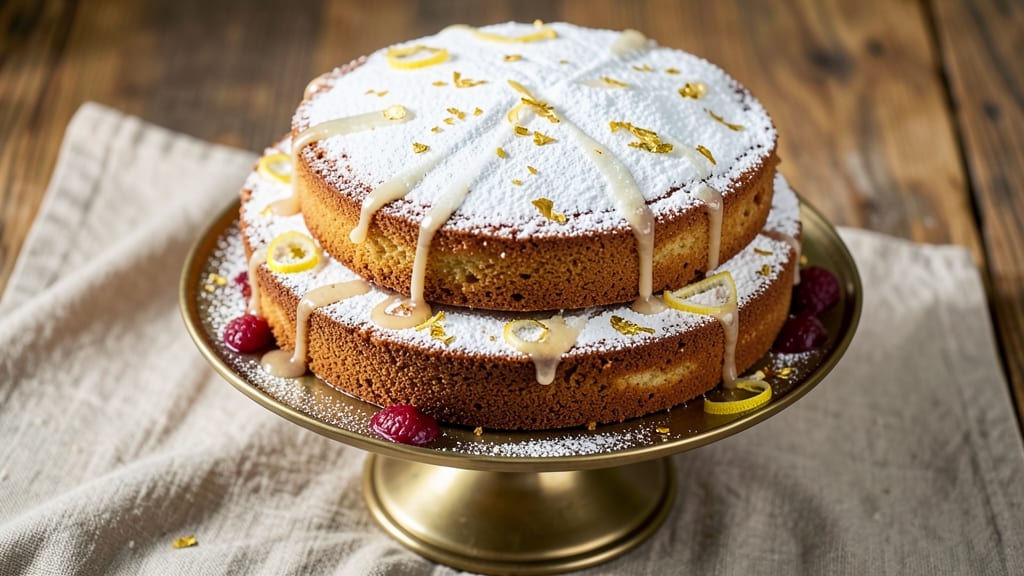
This almond flour butter cake delivers a rich, moist crumb without eggs, proving that gluten-free desserts can rival classic recipes. The secret lies in properly creaming butter with sugar and using finely ground almond flour for structure—no dry, crumbly texture here.
I developed this version after years of testing, ensuring every slice stays tender with a delicate crumb that melts in your mouth.
What sets this cake apart is the foolproof technique for achieving that signature butter cake texture without eggs. The recipe relies on a simple but critical step: whipping the butter and sugar until light and fluffy before gradually folding in the almond flour mixture.
This creates air pockets that keep the cake ultra-moist even after cooling. No special equipment or advanced skills required—just patience and attention to detail.
The result is a cake with a golden, slightly domed top and a tender interior that holds up beautifully for slicing. The natural sweetness of almond flour pairs perfectly with the buttery richness, creating a dessert that’s elegant enough for special occasions but simple enough for everyday baking.
Whether you’re serving it plain or with a dusting of powdered sugar, this cake will impress without the fuss.
For added flavor, consider incorporating lemon zest or vanilla bean paste into the batter. The cake also freezes well, making it ideal for meal prep or gifting. Let’s get started on creating your perfect almond flour butter cake.
Ingredients for almond flour butter cake
Rich, moist crumb without eggs—just these 12 ingredients transform into perfect almond flour cake.
| Ingredient | Amount | Notes |
|---|---|---|
| Unsalted Butter 🧈 | 1 cup | Softened to room temperature |
| Granulated Sugar 🍚 | 1 ½ cups | White or light brown |
| Almond Flour 🌰 | 2 ½ cups | Finely ground, blanched |
| Powdered Sugar 🍚 | ½ cup | For dusting and batter |
| Vanilla Extract 🌿 | 1 tbsp | Pure vanilla preferred |
| Lemon Zest 🍋 | 1 tbsp | Freshly grated |
| Baking Powder 🧂 | 1 tsp | Aluminum-free preferred |
| Salt 🧂 | ½ tsp | Fine sea salt |
| Large Egg Whites 🥚 | 4 whole | Room temperature |
| Whole Milk 🥛 | ½ cup | Room temperature |
| Vanilla Bean Paste 🌿 | ½ tsp | Optional for extra flavor |
| Powdered Sugar 🍚 | 2 tbsp | For final dusting |
The almond flour makes all the difference here. Bob's Red Mill or Anthony's Goods are my go-tos for finely ground, blanched almond flour—it's worth the extra few bucks for that ultra-smooth texture. If you're using pre-ground flour, pulse it in your food processor for a minute to break up any clumps. The butter needs to be soft but not melted—press a finger into it; if it leaves a slight indent, you're good. For the sugar, I always grab Domino brand because it's consistently fine and reliable. Fresh lemon zest is a must for that bright pop of flavor—don't use dried zest from a jar, trust me on this.
No egg whites? Flax eggs work in a pinch—mix 1 tbsp ground flaxseed with 3 tbsp water per egg, but the texture won't be quite as light. Running short on vanilla? Vanilla sugar or even a splash of vanilla extract in the milk will help. The milk can be swapped for almond milk or oat milk, but whole milk gives the best moisture. For the vanilla bean paste, Madagascar bourbon vanilla from specialty stores adds that restaurant-quality depth. If you're feeling fancy, add a pinch of cardamom or orange zest to the batter for a sophisticated twist. The powdered sugar is for both the batter and final dusting—don't skip the dusting, it makes the cake look (and taste) like it came from a bakery.
This cake keeps beautifully—3 days at room temperature covered loosely with plastic, or 1 week in the fridge in an airtight container. For longer storage, wrap tightly in plastic and freeze for up to 3 months. I always bake two cakes at once—they freeze perfectly for last-minute gifts or when you just can't resist another slice. Let it cool completely before wrapping or freezing, or you'll end up with condensation issues. The cake reheats wonderfully—just wrap a slice in a damp paper towel and microwave for 10-15 seconds. Trust me, it's even better the second day.
Why You'll Love This Recipe
- Four-Ingredient Magic: Mixing just butter, sugar, almond flour, and vanilla feels like cheating—yet it delivers that tender crumb and buttery richness you’d expect from a far more complicated cake.
- No Fuss, Full Flavor: Honestly, the almond flour does all the heavy lifting—no sifting, no measuring cups of dry ingredients, just creaming butter and sugar until it’s light, then folding in flour. That’s it. The result? A cake that’s moist without being dense, with a subtle nuttiness that pairs perfectly with the vanilla.
- Weeknight or Celebration: Between us, this cake is my go-to for birthdays and lazy Sundays. The same simple layers work for a quick coffee break or a dessert spread—just dust with powdered sugar or add a drizzle of honey if you’re feeling fancy.
- Leftovers That Last: I’ve had this cake sit on my counter for days, and it stays soft without drying out. The almond flour keeps it rich but not overly sweet, so every slice tastes like the first—no sad, crumbly aftermath here. (Yes, even on a Tuesday night.)
Step-by-step instructions for almond flour butter cake
Here's how to make a tender, ultra-moist cake that stays fresh for days.
Cream Butter and Sugars Together
In a stand mixer fitted with the paddle attachment, beat the 1 cup unsalted butter and 1.5 cups granulated sugar on medium speed for 3-4 minutes. You're looking for a light, fluffy mixture that nearly doubles in volume and becomes pale in color. This step incorporates air, which creates that signature tender crumb.
Here's the thing—don't rush this part. The butter needs to emulsify completely with the sugar to create that perfect texture. You'll know it's ready when you lift the paddle and see clean streaks that hold their shape for a few seconds. This ensures your cake won't be dense or compact.
Mix in Wet Ingredients and Zest
Add the 4 whole large egg whites, 0.5 cup whole milk, 1 tablespoon vanilla extract, 1 tablespoon lemon zest, and 0.5 teaspoon vanilla bean paste (if using) to the butter mixture. Mix on low speed for 1-2 minutes until everything is fully combined and smooth.
I like to add the lemon zest last—it's bright and fresh, and mixing it in at the end preserves its flavor. The milk helps create that moist crumb we're after, while the egg whites provide structure without making the cake tough. Make sure all the ingredients are at room temperature before mixing—this prevents lumps and ensures even distribution.
Combine Dry Ingredients Gently
In a separate bowl, whisk together the 2.5 cups almond flour, 0.5 cup powdered sugar, 1 teaspoon baking powder, and 0.5 teaspoon salt. Sift the dry ingredients directly into the wet mixture, then mix on low speed for 30-45 seconds until just combined. You should still see some flour streaks—overmixing develops gluten and makes the cake dense.
Almond flour can be tricky because it's naturally dense, but the powdered sugar helps lighten it up. The baking powder provides lift, while the salt balances the sweetness. Don't worry if the batter looks thick—it's supposed to be that way. The egg whites and butter will keep it moist and tender.
Bake in Two Layers for Perfect Results
Divide the batter evenly between two 8-inch round cake pans lined with parchment paper. Bake at 350°F for 25-30 minutes, or until a toothpick inserted into the center comes out clean. Rotate the pans halfway through baking for even browning.
Here's a pro tip: Don't overbake. The cake will continue cooking slightly after you remove it from the oven. You want it to be just set in the center with a springy texture. If you bake it too long, it'll dry out. Let the cakes cool in the pans for 10 minutes before transferring to a wire rack to cool completely.
Dust and Assemble for Maximum Moisture
Once the cakes are completely cool, dust the top of each layer with 2 tablespoons powdered sugar. This adds a beautiful finish and helps keep the cake moist. Place one layer on a serving plate and spread a thin layer of 1 cup unsalted butter, softened, over the top.
Add the second layer and dust the top with the remaining 2 tablespoons powdered sugar. Slice and serve immediately for the most tender texture. This cake stays moist for days, but it's best enjoyed fresh. The powdered sugar dusting isn't just for looks—it locks in moisture and adds a delicate sweetness to every bite.
Pro Tips For Making Almond Flour Butter Cake
- CREAM THE BUTTER COLD: Almond flour cakes need butter that behaves—don’t let it get soft before mixing. Scoop the butter straight from the fridge (yes, even if the recipe says room temp) and whip it with the sugar until it’s pale and fluffy. I learned this the hard way when my first batch turned out dense because the butter melted too fast in the warm kitchen.
- SIFT THE ALMOND FLOUR: Almond flour packs like crazy, and packed flour means a brick-like cake. Lightly sift it into the bowl before mixing, then gently fold it in with a spatula—don’t overmix. I was skeptical until I tried it: the texture is noticeably lighter, almost like a cloud.
- BAKE UNTIL THE CENTER HITS 205°F: This isn’t your regular cake—almond flour stays moist longer, and underbaking makes it gummy. Use an instant-read thermometer to check the center; it should read 205°F (210°F if you prefer it drier). I used to pull it out at 190°F and regretted it every time.
- REST BEFORE FROSTING: Cutting into the cake too soon means a crumbly mess. Let it cool in the pan for 10 minutes, then transfer to a wire rack and wait at least 30 minutes before adding powdered sugar glaze. I know, I know—you’re impatient—but trust the process. The glaze will stick better, and the layers won’t fall apart.
Wine and beer pairings for this almond flour butter cake
White Wine Pairings
For this delicate almond flour butter cake, I reach for Sauvignon Blanc—its crisp acidity and citrus notes complement the lemon zest beautifully. A New Zealand Sauvignon Blanc like Kim Crawford offers vibrant flavors of lime and grapefruit that cut through the richness.
Alternatively, a French Chablis with its mineral finish provides an elegant contrast to the cake's buttery texture. 🍷
Sweet Wine Options
If you prefer something sweeter, a Moscato d'Asti from Italy brings a light, fizzy sweetness that enhances the cake's natural almond flavor. The slight effervescence cleanses your palate between bites.
For a richer option, try a late-harvest Riesling with its honeyed notes—just ensure it's not too heavy to avoid overpowering the cake.
Beer Pairings
A Belgian Witbier like Hoegaarden provides a refreshing contrast with its coriander and citrus undertones. The slight tartness balances the cake's sweetness beautifully. For a lighter option, a German Pilsner such as Warsteiner offers crisp, clean notes that won't compete with the cake's delicate flavors. 🍺
Coffee or Tea
If you're not a wine or beer drinker, a lightly sweetened chai latte or Earl Grey tea pairs wonderfully. The spiced notes of chai enhance the cake's vanilla and almond flavors, while the bergamot in Earl Grey adds a sophisticated touch.
For a non-alcoholic option, a sparkling apple cider with a hint of cinnamon works beautifully too.
Liquor Pairings
For a boozy twist, serve slices with a vanilla-infused bourbon or amaretto drizzle. The nutty notes of amaretto mirror the almond flour, while the vanilla in bourbon complements the cake's natural sweetness. A small glass of sherry also works well, especially if the cake has a hint of citrus.
Nutrition facts
Frequently asked questions
Why does this almond flour butter cake need egg whites?
Egg whites provide structure and lightness without making the cake dense. Since almond flour lacks gluten, the whites help create air pockets for that signature tender crumb. You can substitute with flax eggs (1 tbsp ground flax + 3 tbsp water per egg), but the texture will be slightly denser. For best results, use fresh, room-temperature egg whites.
Can I make this cake in a single layer instead of two?
Yes! Use a 9-inch round pan instead of two 8-inch pans. Bake at 350°F for 35-40 minutes or until a toothpick comes out clean. The baking time increases slightly because the batter spreads more. For a taller single layer, reduce oven temp to 325°F and bake for 45-50 minutes.
How do I fix a cake that's too dense or dry?
Dense cakes usually happen from overmixing or under-creaming the butter. Next time, whip the butter and sugar until light and fluffy (3-4 minutes) and fold dry ingredients gently. For dryness, try brushing warm cake layers with simple syrup (equal parts sugar + water, heated) before assembling. The powdered sugar dusting also helps retain moisture.
What's the best way to store leftovers?
Wrap individual slices tightly in plastic wrap or store the whole cake in an airtight container at room temperature for 3 days. For longer storage, freeze for up to 3 months. Thaw overnight in the fridge—microwaving can make it gummy. The powdered sugar dusting keeps it fresh longer by locking in moisture.
Can I add chocolate or nuts to this recipe?
For chocolate, fold in ½ cup melted dark chocolate with the wet ingredients. For nuts, add ½ cup toasted almonds or hazelnuts to the batter or sprinkle on top before baking. Keep portions under 1 cup total to maintain the cake's delicate texture. Chocolate chips work too—just reduce the powdered sugar slightly to balance sweetness.