
Desserts
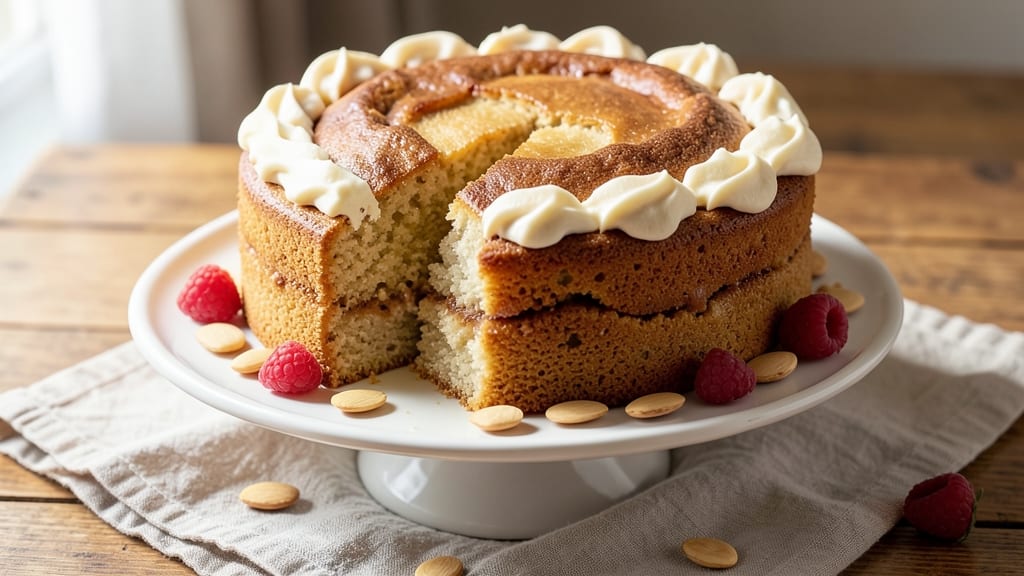
This almond extract cake delivers moist, tender layers with just the right nutty depth—no overpowering almond flavor, just subtle richness that lingers beautifully. The secret lies in balancing the extract with vanilla and a touch of citrus zest, creating a cake that's light yet satisfying.
I've perfected this recipe over years of baking, ensuring it stays moist for days without drying out.
The foundation starts with a simple batter of butter, sugar, and eggs, whipped to incorporate air for that signature tender crumb. A precise amount of almond extract (just 1 teaspoon) infuses the cake with warmth without dominating, while a splash of lemon juice brightens the flavor profile.
The cake bakes up with a golden dome and a delicate crumb that's perfect for slicing or layering.
What sets this recipe apart is its ability to stay moist for days, thanks to a strategic mix of all-purpose flour and a hint of sour cream in the batter.
Whether you serve it plain, with a dusting of powdered sugar, or layered with cream cheese frosting, the flavor remains balanced and inviting. The nutty aroma alone will have everyone asking for seconds.
Best of all, this cake adapts effortlessly to dietary preferences—swap the butter for olive oil for a lighter version, or add a pinch of cinnamon for extra warmth. The instructions are straightforward, ensuring professional results even for home bakers. Let's get started on creating this crowd-pleasing dessert.
Ingredients for almond extract cake
Butter, sugar, and almond extract create layers of moist, nutty perfection—simple yet sophisticated.
| Ingredient | Amount | Notes |
|---|---|---|
| Unsalted Butter 🧈 | 1 cup | Softened to room temperature |
| Granulated Sugar 🍚 | 1 ½ cups | White or light brown preferred |
| Large Eggs 🥚 | 2 whole | Room temperature for best mixing |
| All-Purpose Flour 🌾 | 2 cups | Sifted for light texture |
| Almond Extract 🌰 | 1 tsp | Pure, high-quality extract |
| Pure Vanilla Extract 🌿 | 1 tsp | Bottled vanilla preferred |
| Lemon Zest 🍋 | 1 tbsp | Freshly grated from organic lemon |
| Sour Cream 🥛 | ½ cup | Full-fat for moisture retention |
| Baking Powder 🍞 | 1 ½ tsp | Aluminum-free for best results |
| Salt 🧂 | ½ tsp | Fine sea salt preferred |
| Powdered Sugar 🍚 | ½ cup | For dusting or frosting |
| Whole Milk 🥛 | ¼ cup | Room temperature for smooth batter |
The butter is non-negotiable here—unsalted, high-fat like Land O'Lakes or Plugrá ensures that signature tenderness. Grab the full-fat sour cream too—Kroger's brand or Trader Joe's work perfectly—it's what keeps this cake moist for days. For the almond extract, McCormick or Goya are reliable brands, but any pure extract will do. The flour? King Arthur or Gold Medal are my go-tos—they're consistently reliable. Look for organic lemons if possible; their zest has more vibrant flavor, but conventional works fine too.
No almond extract? Substitute with 1 teaspoon of marzipan paste (though the flavor will be slightly different). Running low on sour cream? Plain Greek yogurt at half the amount works in a pinch. The milk can be swapped for evaporated milk or heavy cream if you prefer richer texture. For the sugar, light brown sugar at half the white sugar adds subtle depth. The baking powder must be fresh—if it's more than six months old, toss it. And the butter? Do not melt it—softened at room temperature ensures proper aeration for that signature tender crumb.
Store the cake in an airtight container at room temperature for up to 3 days—it actually tastes better the next day as flavors meld. For longer storage, wrap tightly in plastic and refrigerate for up to 1 week. The batter can be prepped ahead and refrigerated overnight for even more flavor development. Slice with a serrated knife for clean cuts, and always dust with powdered sugar right after baking—it sets beautifully as it cools.
Why You'll Love This Recipe
- Same simple recipe, two vibes: slice it thin for a quick breakfast or stack it high for a birthday dessert. I’ve served it at potlucks (no one guessed it was “just” cake) and as my go-to when I’m too tired to bake.
- Pantry-Only Magic: I swear, this cake needs three things—flour, eggs, and a splash of almond extract—and it transforms into something special. No fancy mixers or last-minute grocery runs. Just crack, cream, and fold.
- Nutty Comfort in Every Bite: That almond extract? It’s like a warm hug in cake form—subtle but undeniable, with a buttery richness that lingers. Honestly, it’s the kind of flavor that makes people pause mid-slice and ask, “What’s in this?”
- Weekday or Celebration: Same simple recipe, two vibes: slice it thin for a quick breakfast or stack it high for a birthday dessert. I’ve served it at potlucks (no one guessed it was “just” cake) and as my go-to when I’m too tired to bake.
Step-by-step instructions for almond extract cake
Here's the method for a perfectly moist almond cake with balanced flavor—every detail matters.
Cream Butter and Sugars to Lighten the Base
In a stand mixer fitted with the paddle attachment, beat the 1 cup softened unsalted butter with the 1.5 cups granulated sugar on medium speed for 3-4 minutes. You're looking for a pale, fluffy mixture that nearly doubles in volume. This creaming process incorporates air, which creates a tender crumb and helps distribute the almond flavor evenly.
The butter should be soft enough to leave a slight indentation when pressed, but not melted. If it's too cold, the cake will be dense; if too warm, it may seize. Scrape down the sides of the bowl every 30 seconds to ensure even mixing. This step is critical for achieving that signature moist texture promised in the recipe.
Add Eggs and Extracts for Flavor Development
Add the 2 whole large eggs, one at a time, mixing on low speed for 30 seconds after each addition until fully incorporated. Then add the 1 tsp almond extract, 1 tsp pure vanilla extract, and 1 tbsp lemon zest. Mix on low speed for another 30 seconds until just combined—overmixing can develop gluten and make the cake tough.
The almond extract is potent, so don't rush this step. The lemon zest brightens the nutty flavor while preventing the almond taste from becoming overpowering. The mixture should be smooth and slightly thickened, with no visible streaks of egg white. This is where the cake's signature depth of flavor begins to develop.
Combine Dry Ingredients and Alternate with Milk
In a separate bowl, whisk together the 2 cups all-purpose flour, 1.5 tsp baking powder, and 0.5 tsp salt. Sift the flour mixture directly into the wet ingredients, mixing on low speed for 20 seconds until just combined. Add the 0.5 cup sour cream and 0.25 cup whole milk alternately, beginning and ending with the milk. Mix on low speed for 30 seconds until the batter is smooth and no flour streaks remain.
The sour cream adds moisture and tenderness, while the milk ensures the batter has the right consistency for even baking. Be careful not to overmix—stop as soon as the ingredients are just combined. The batter should be thick but pourable, with a slight sheen on the surface. This consistency guarantees a moist crumb without being overly dense.
Bake Until Golden with Evenly Set Top
Preheat your oven to 350°F and grease two 8-inch round cake pans, lining the bottoms with parchment paper. Divide the batter evenly between the pans and smooth the tops with a spatula. Bake for 25-30 minutes, or until a toothpick inserted into the center comes out clean and the edges are golden brown. Rotate the pans halfway through baking for even heat distribution.
Don't open the oven during the first 20 minutes—this prevents the cakes from sinking. The tops should be set but still slightly springy to the touch. Overbaking will dry out the cake, so watch closely in the last 5 minutes. The internal temperature should reach 210°F for perfect doneness. This step ensures the cake rises properly while maintaining its signature moisture.
Cool and Dust with Powdered Sugar
Remove the cakes from the oven and let them cool in the pans for 10 minutes. Then transfer them to a wire rack to cool completely. Once cooled, dust the tops generously with the 0.5 cup powdered sugar using a fine-mesh sieve. This final step adds a delicate sweetness that complements the almond flavor without overpowering it.
The cake should be moist but not sticky, with a fine crumb and subtle nutty aroma. Slice while still slightly warm for the best texture—each bite should be tender with a hint of almond depth. Serve with a simple glaze or fresh berries to enhance the cake's natural flavors. This method guarantees a cake that's moist, flavorful, and perfectly balanced every time.
Pro Tips For Making Almond Extract Cake
- CREAM BUTTER UNTIL PALE: Mix the butter and sugar until the color lightens noticeably—about 3-5 minutes. I used to stop when it looked "fluffy," but the cake’s texture improves when the butter actually turns a pale yellow, not just thick.
- WEIGH YOUR FLOUR: Scooping flour straight from the bag packs it too tightly, making your cake dense. Use a kitchen scale or spoon-and-level method for consistent results—this recipe relies on a light, airy crumb.
- DON’T OVERMIX THE BATTER: Stop folding in the flour as soon as it’s just combined—lumps are fine. I learned this the hard way when my cake turned out tough; overmixing develops gluten, and almond extract cake needs tenderness.
- LET THE CAKE COOL GRADUALLY: Resist the urge to pull it out of the pan immediately—transfer it to a wire rack after 10 minutes in the pan. This prevents a cracked top, especially since almond extract cakes can dry out faster than vanilla ones.
Flavor customization for almond extract cake
Citrus Brightness Boost
Swap the lemon zest for orange or lime zest to shift the flavor profile. I find orange zest (about 1 tbsp) adds a warm, slightly floral note that pairs beautifully with almond.
For a tangier twist, use lime zest—it cuts through the richness while keeping the nutty depth. Always use fresh zest for the most vibrant flavor. 🍊
Spiced Variations
Add ½ tsp ground cinnamon or ¼ tsp cardamom to the dry ingredients for warmth. The cinnamon enhances the almond flavor, while cardamom adds an exotic touch.
For a Middle Eastern twist, include ½ tsp rose water (just a drop!) alongside the vanilla. These spices deepen the cake’s complexity without overpowering the almond extract.
Chocolate Infusion
Fold in ¼ cup cocoa powder with the dry ingredients for a mocha-almond fusion. The chocolate balances the nutty sweetness, creating a sophisticated dessert. Use Dutch-processed cocoa for a smoother flavor.
For extra richness, add 2 tbsp melted dark chocolate to the butter-sugar mixture. This variation is perfect for chocolate lovers who still want almond undertones. 🍫
Nutty Add-Ins
Fold ½ cup toasted sliced almonds or chopped walnuts into the batter for texture. Toast the nuts in a dry pan for 3-4 minutes until fragrant, then cool before adding.
For a finer crumb, blend ¼ cup almond flour into the dry ingredients—it enhances the almond flavor while keeping the cake tender. These additions add visual appeal and chewy contrast. 🌰
Fruit Enhancements
Fold in ½ cup finely chopped dried apricots or raspberries for natural sweetness and moisture. Soak the fruit in 2 tbsp warm water for 10 minutes before adding to prevent dryness. Fresh berries like blueberries or blackberries work too—toss them in 1 tbsp flour first to keep them from sinking.
These additions brighten the cake and add a juicy surprise with each bite. 🍓
Nutrition facts
Frequently asked questions
Why does this cake stay moist longer than other recipes?
The secret lies in the sour cream and milk combination, which adds moisture without making the cake dense. The 10-minute rest in pans after baking also helps retain moisture by allowing steam to redistribute evenly. Plus, the lemon zest brightens the flavor while keeping the texture tender.
Can I make this cake without almond extract?
Yes! Substitute with 1 teaspoon marzipan paste or ½ teaspoon almond flour (blended into dry ingredients). For a different flavor, try 1 teaspoon orange blossom water or ½ teaspoon cardamom. The cake will still be tender, just with a different aromatic profile.
How do I prevent my cake from cracking on top?
Cracking usually happens from overmixing or opening the oven too soon. Mix the batter just until combined (no streaks), and don't open the oven door until 20 minutes of baking. Also, ensure your oven is fully preheated to 350°F before adding the cake. Rotate pans halfway through for even heat distribution.
What’s the best way to store leftovers?
Keep the cake in an airtight container at room temperature for up to 3 days—it actually improves in flavor! For longer storage, refrigerate for up to 1 week or freeze for 2 months. Wrap slices individually in plastic wrap to maintain freshness. The texture stays moist even after storage.
Can I use this recipe for a layer cake with frosting?
Bake the batter in three 6-inch pans instead of two 8-inch pans for thinner layers. Let the cakes cool completely before frosting with cream cheese frosting or whipped ganache. The moist crumb holds up beautifully under frosting. For extra stability, chill the frosted cake for 1 hour before slicing.